
The North
Our North of Afghanistan trip is an 8-night adventure in Northern Afghanistan designed for travellers who want to explore the ancient stomping grounds of Alexander the Great, the home of carpet production and journey through The Hindu Kush Mountains.
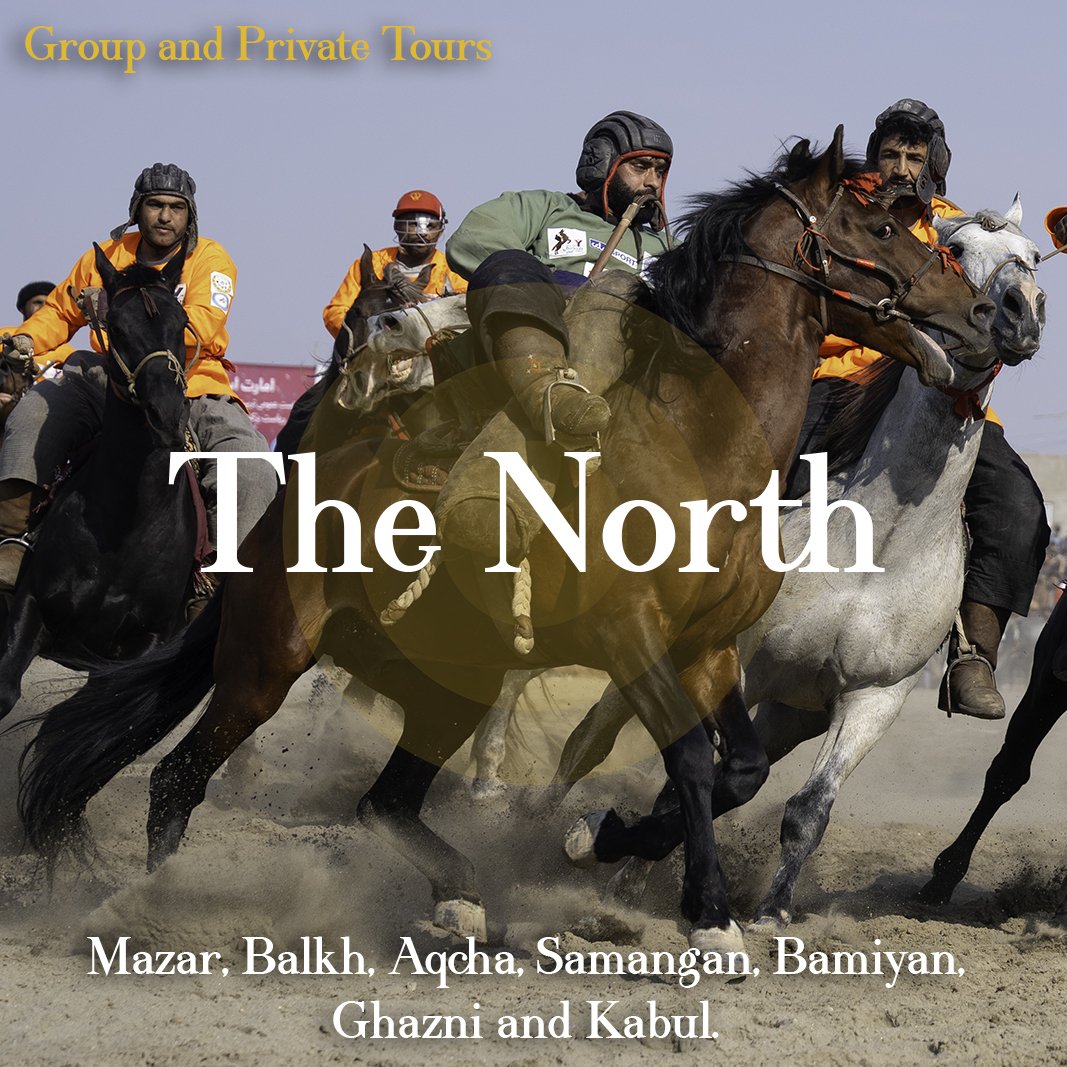
We run this tour in all seasons - winter is a highlight for many travellers who want to experience watching a game of Buzkashi, but it is one of the best journeys in the Summer time with lush greenery and quiet gardens.
Group Tour (Max 7 Travellers): 6-14th June 2026 8 Nights from $2,560 USD
Private Tour: 8 Nights from $2,800 USD
Mazar-E-Sharif,
Aqcha,
Balkh,
Samangan (Takht-E-Rustam),
Salang-Pass,
Bamiyan,
Ghazni,
Kabul >
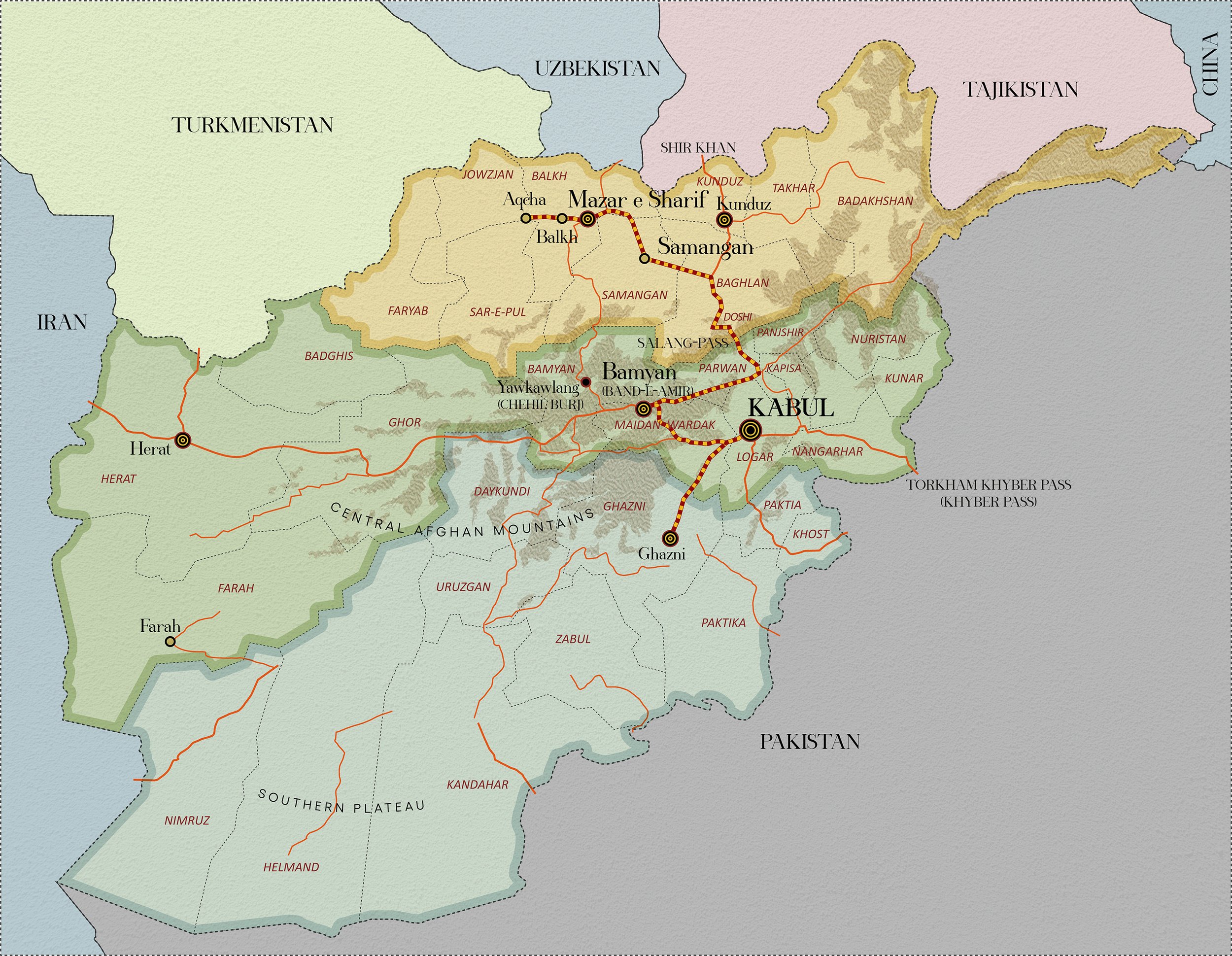
Mazar-E-Sharif, Aqcha, Balkh, Samangan (Takht-E-Rustam), Salang-Pass, Bamiyan, Ghazni, Kabul >

Day #001
You’ll be met by Noory on arrival at Kabul Airport. For much of the year, the flight into Kabul traces the snow-capped spine of the Hindu Kush, its peaks often still dusted white well into late summer. This striking mountain landscape sets the tone for the journey ahead and mirrors much of the terrain you will explore in northern Afghanistan.
After a short transfer to the domestic terminal, you’ll fly north-west to Mazar-e-Sharif, where you’ll be warmly welcomed by Ismail, our northern coordinator. A native Turkmen, Ismail has worked with Safarat since 2022. From the moment you arrive, the city feels distinct from Kabul, with a noticeably different rhythm and a richer ethnic mix, including strong Uzbek and Turkmen communities.
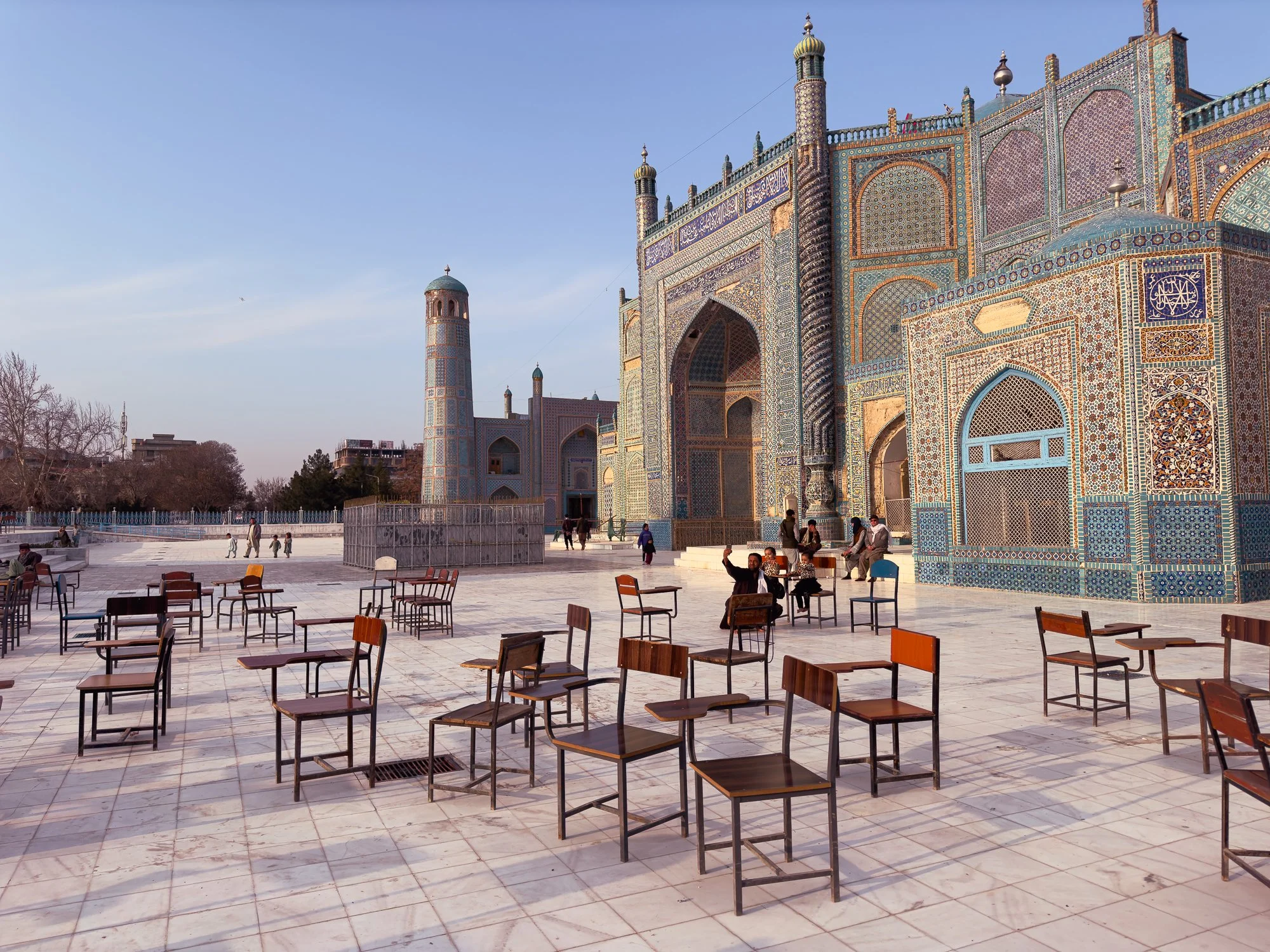
From the airport, we head into the old city of Mazar-e-Sharif for lunch near the Blue Mosque. Officially known as the Shrine of Ali, the mosque is believed by many to house the tomb of Ali ibn Abi Talib, cousin and son-in-law of the Prophet Muhammad, making it one of the most significant religious sites in Afghanistan. Much of the present structure dates to the Timurid period and is renowned for its luminous blue tilework, from which the city takes its name. You’ll have time to wander through the mosque complex at your own pace, and many travellers choose to sit quietly in the courtyard, taking in the scale and serenity of the surroundings.
The remainder of the evening is free to take care of practicalities such as exchanging currency, purchasing local SIM cards, and buying traditional clothing for the journey ahead.

-
![]()
Mazar Blue Mosque - a highlight for many of our travellers.
-
![]()
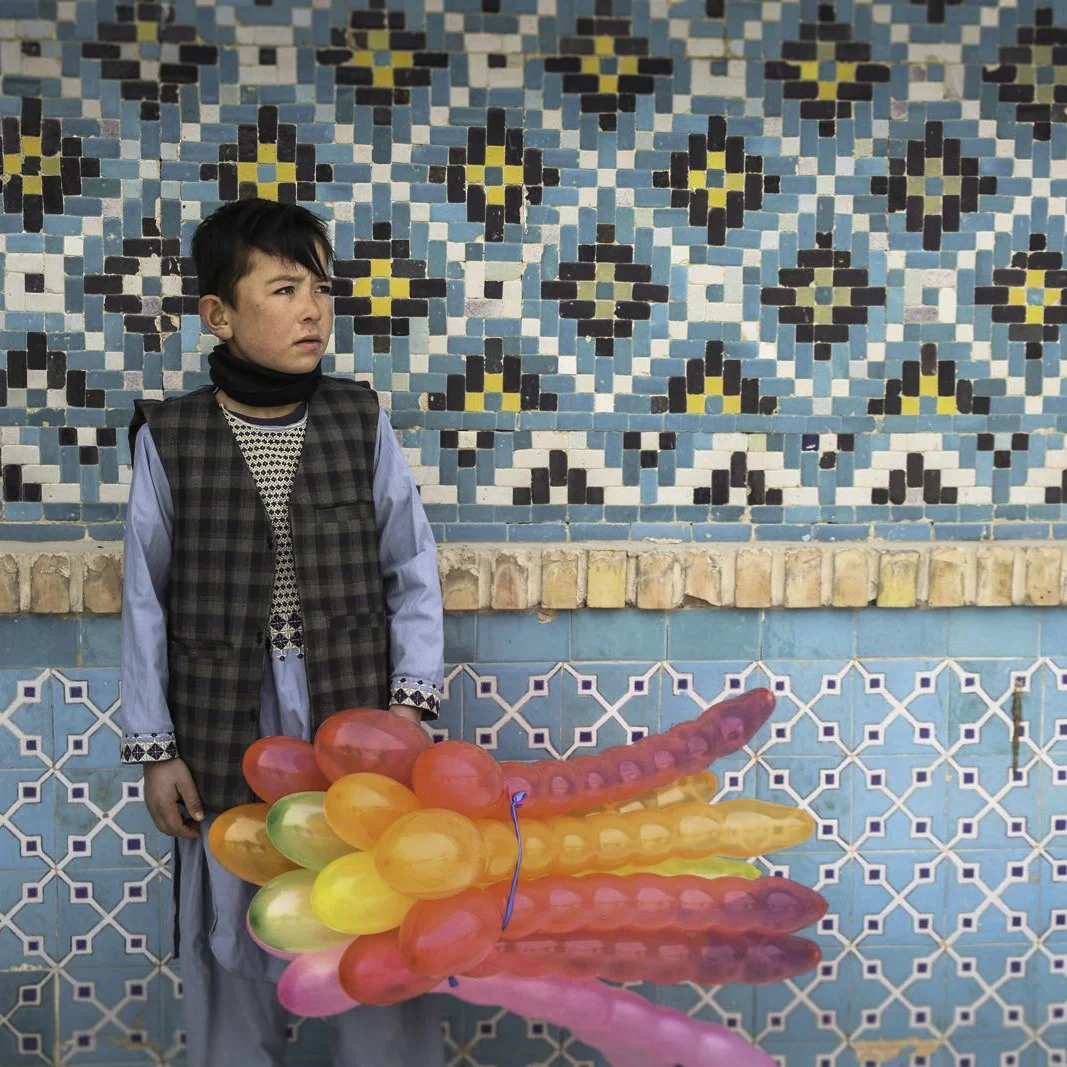
A boy selling balloons in the mosque complex.
-
![]()
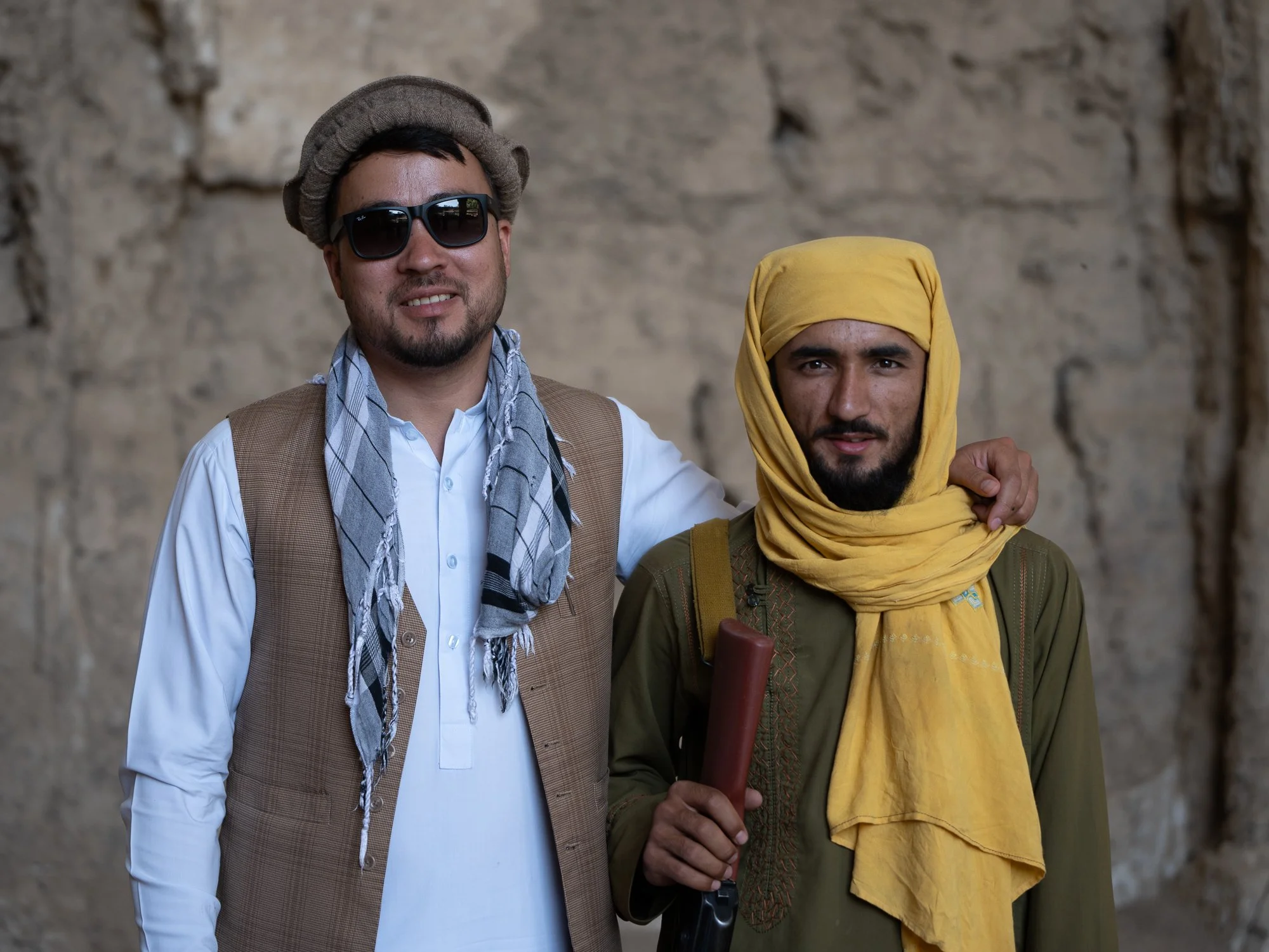
Safarāt northern coordinator Ismail posing with a Taib guard.
-
![]()
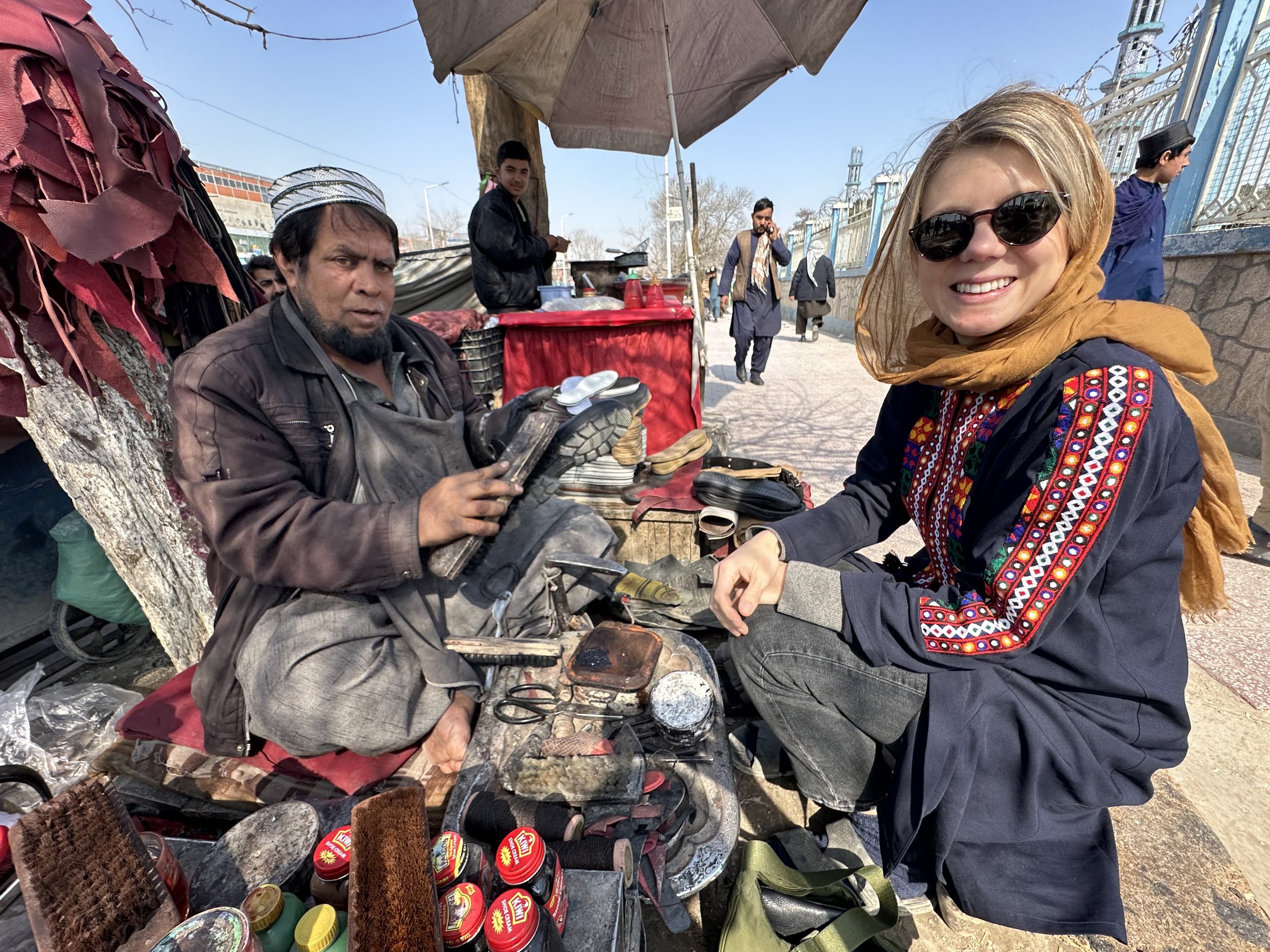
Traveller Lucy getting some admin done in the Mazar bazaar before the start of the journey.
-
![]()
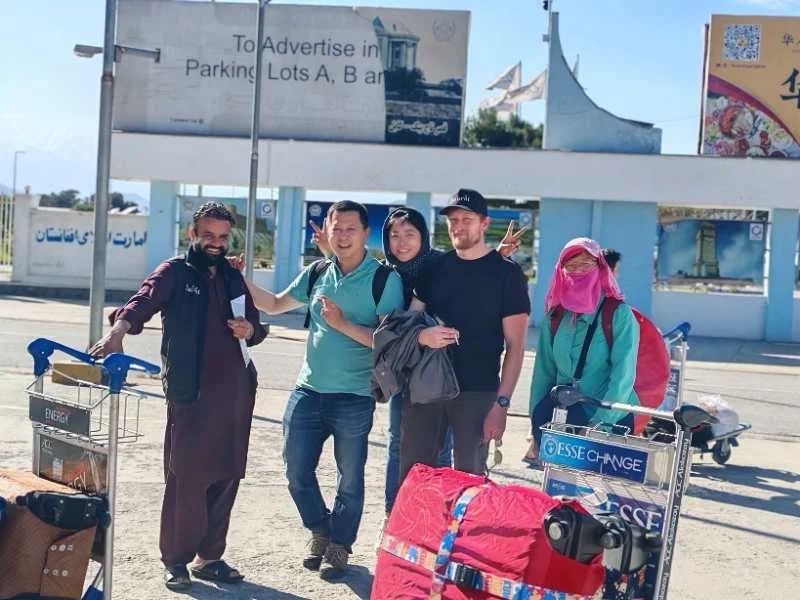
Joe and Noory collecting guests at Kabul airport before the transfer north.
-
![]()
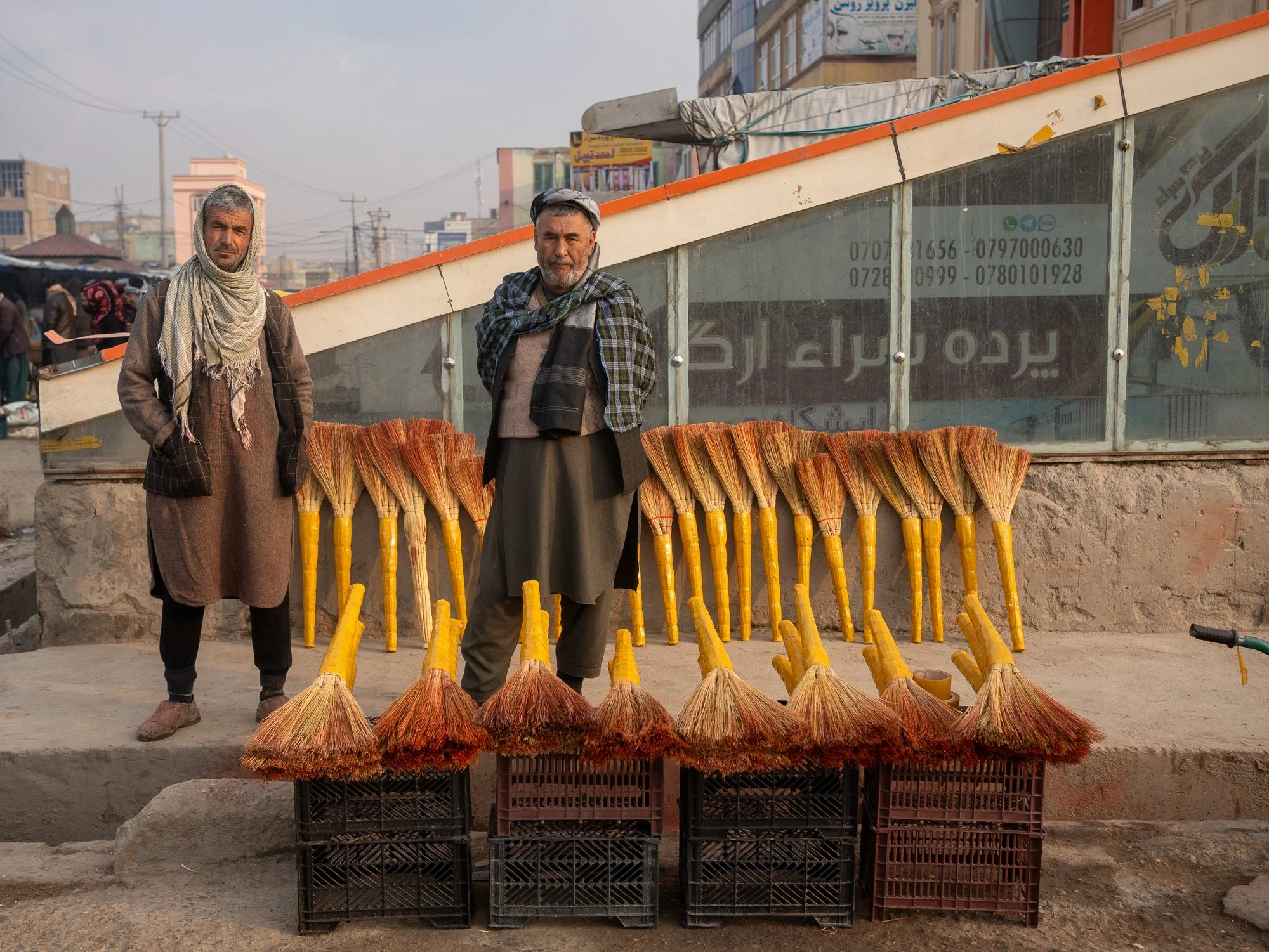
Brooms for sale in the old city bazaar
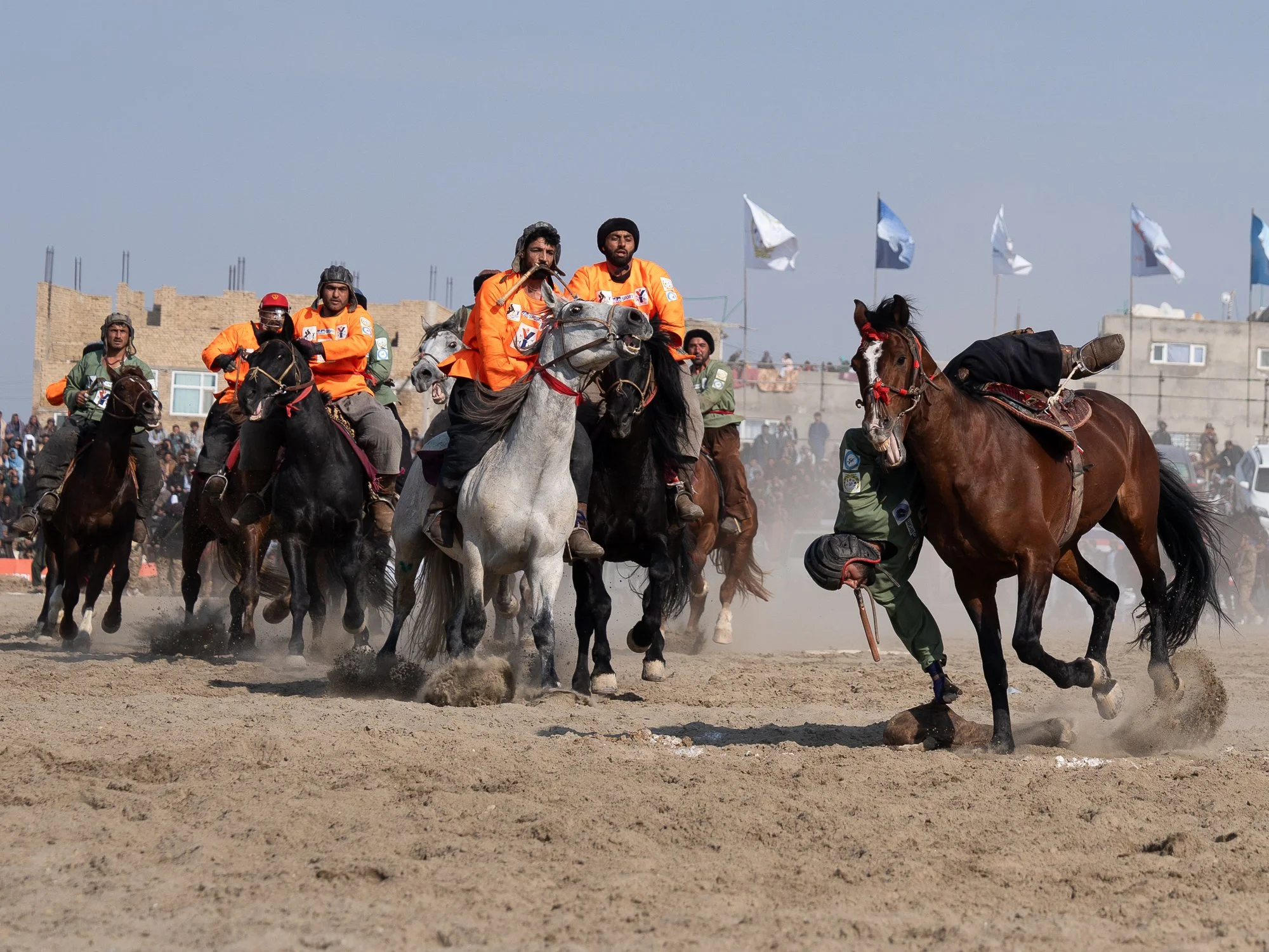
“Buzkashi embodies Afghanistan at its most elemental: fierce, authentic, and rich with centuries of tradition.”
“To watch a Buzkashi game in the north of Afghanistan you should aim to travel between November and early March.”
Day #002
An early morning start takes us to the ancient city of Balkh, one of the oldest continually inhabited places in Central Asia. Known in antiquity as Bactra and later celebrated as “the Mother of Cities,” Balkh was once the capital of the region known to the Greeks as Oxiana and a key centre of learning, trade, and religion. It was conquered by Alexander the Great in the 4th century BCE, flourished under successive Persian, Buddhist, Islamic, and Timurid rulers, and for centuries rivalled cities like Samarkand and Bukhara in prestige. Today, its scattered ruins, city walls, and shrines hint at the immense importance it once held along the Silk Roads.
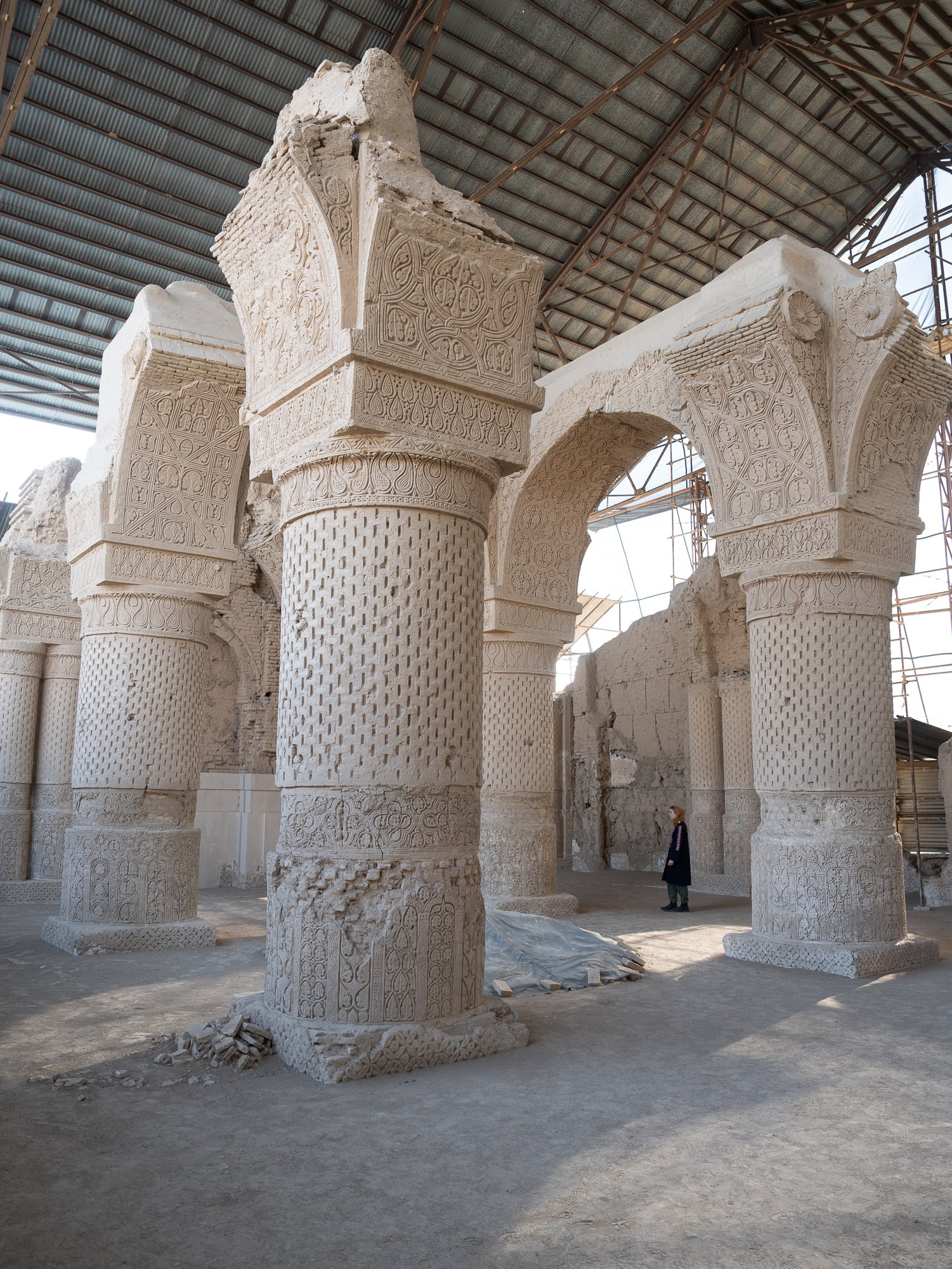
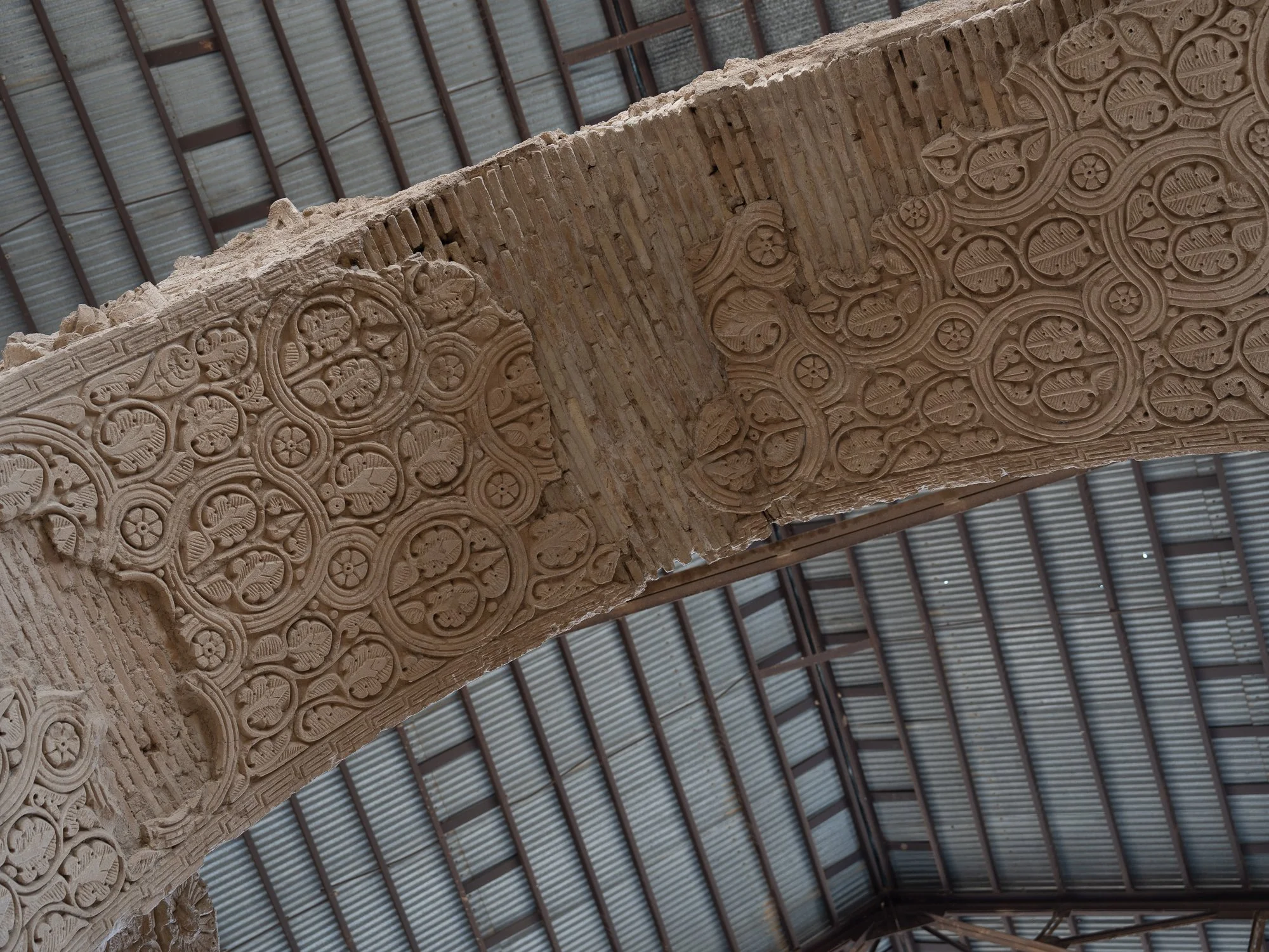
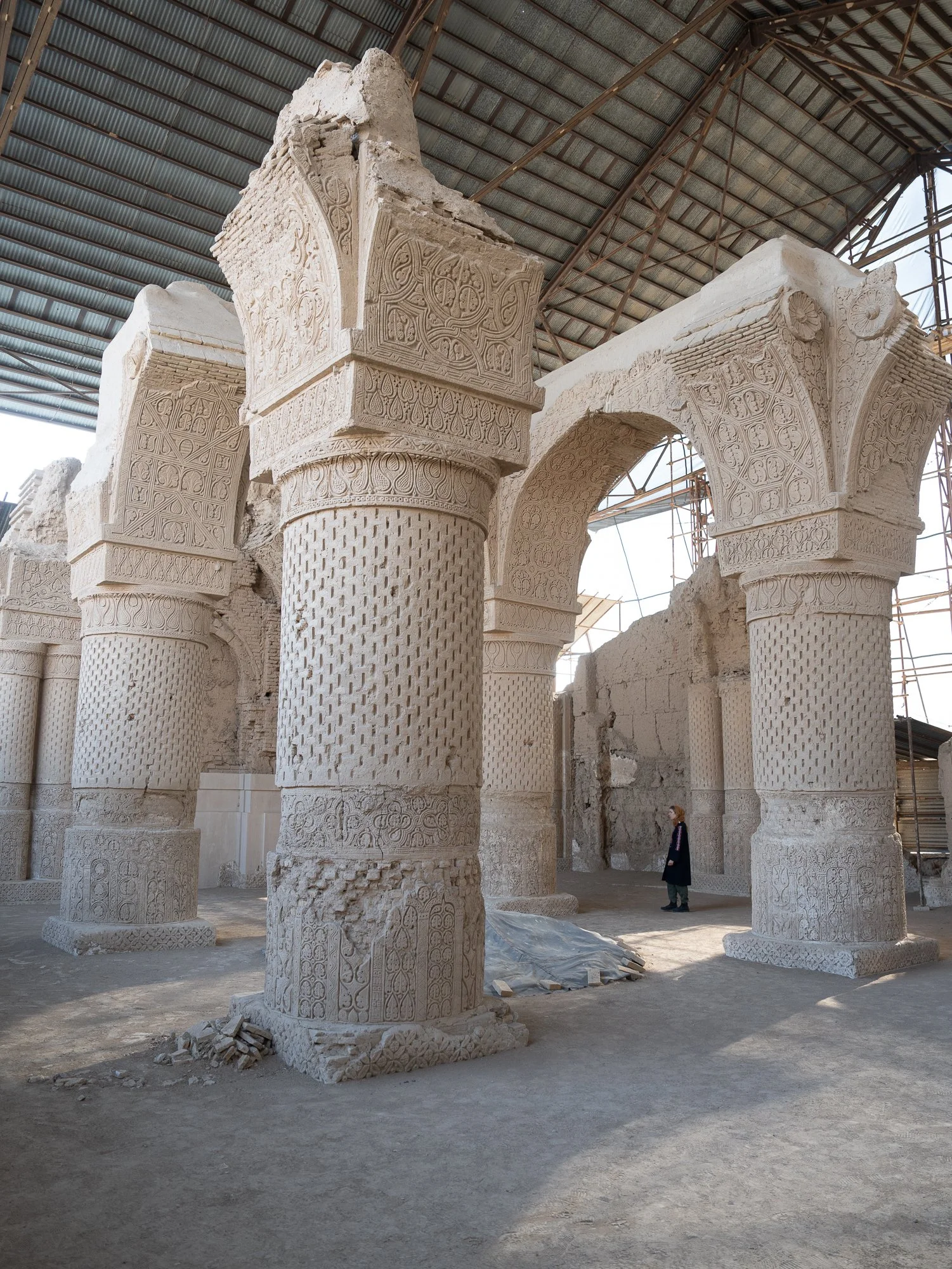
Our favourite site in Balkh is the Haji Piyada Mosque, one of the earliest surviving Islamic monuments in Afghanistan. Believed to date from the 9th century, during the early Abbasid period, the mosque is remarkable for its intricate carved stucco decoration and elegant Kufic inscriptions. Despite its ruined state, it offers a rare and evocative glimpse into the formative years of Islamic architecture in the region and is widely regarded as one of the most important early mosques in Central Asia.
Balkh has drawn travellers, scholars, and pilgrims for millennia. Chinese monk Xuanzang passed through in the 7th century and described a city rich with monasteries and learning. Later, Islamic geographers such as Al-Muqaddasi wrote of its wealth and sophistication, while the great poet and mystic Jalal al-Din Rumi was born here (we will be visiting what remains of his house!), cementing Balkh’s reputation as a spiritual as well as intellectual centre.
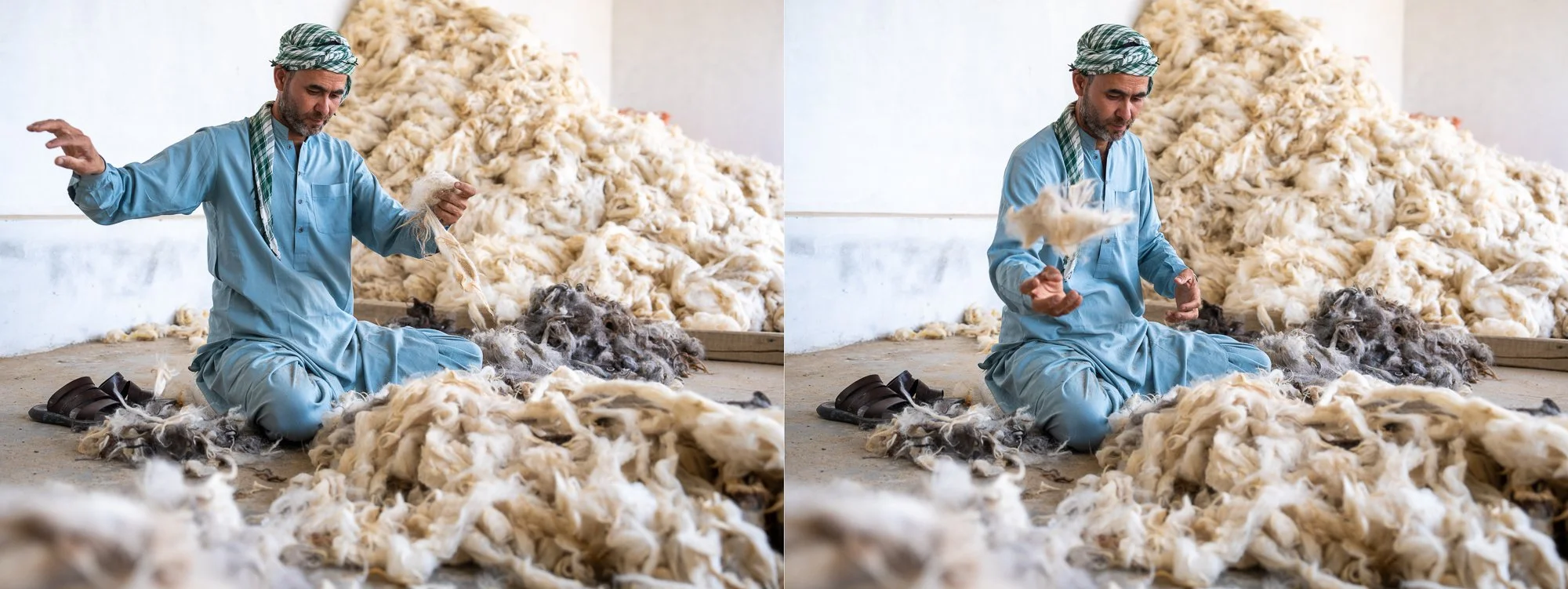
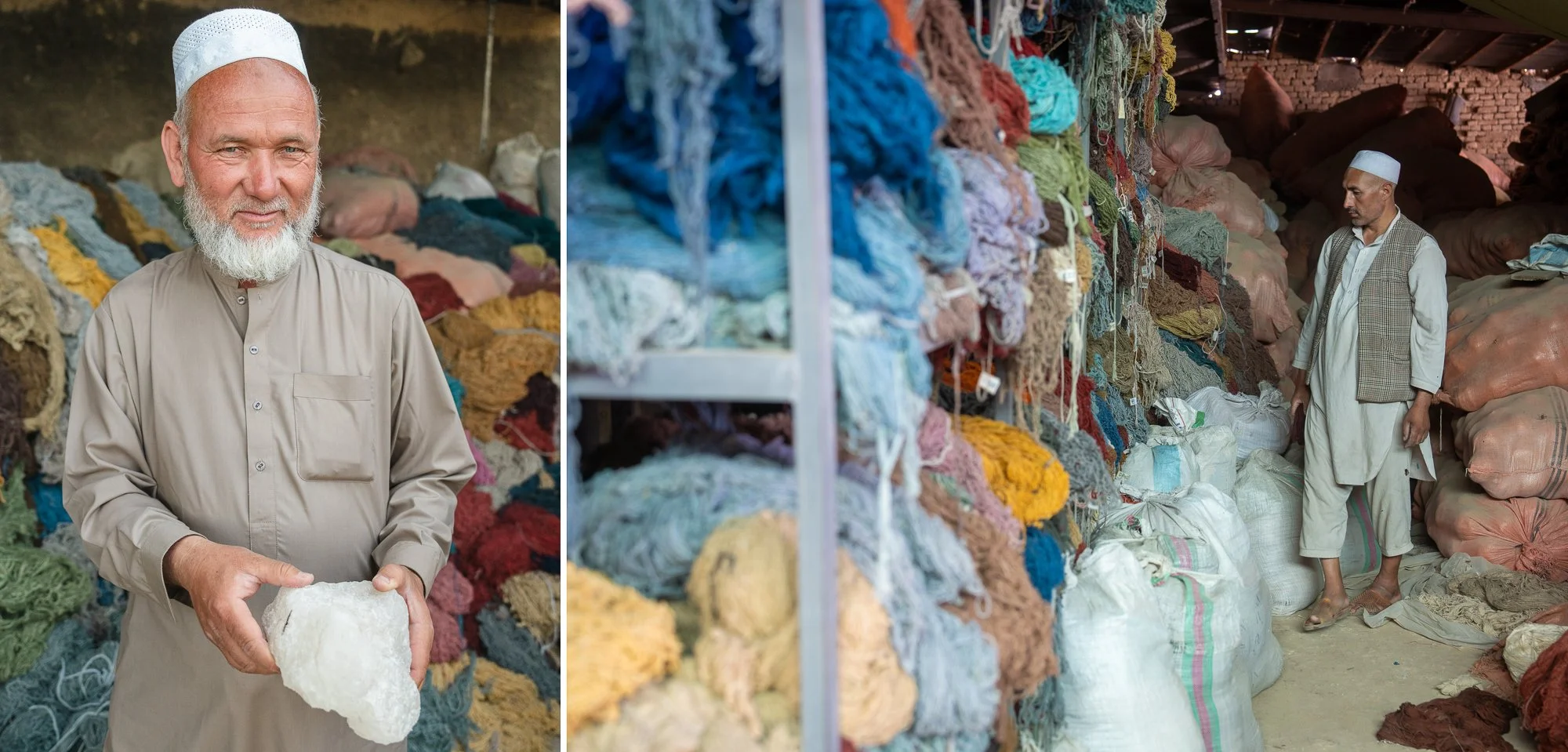
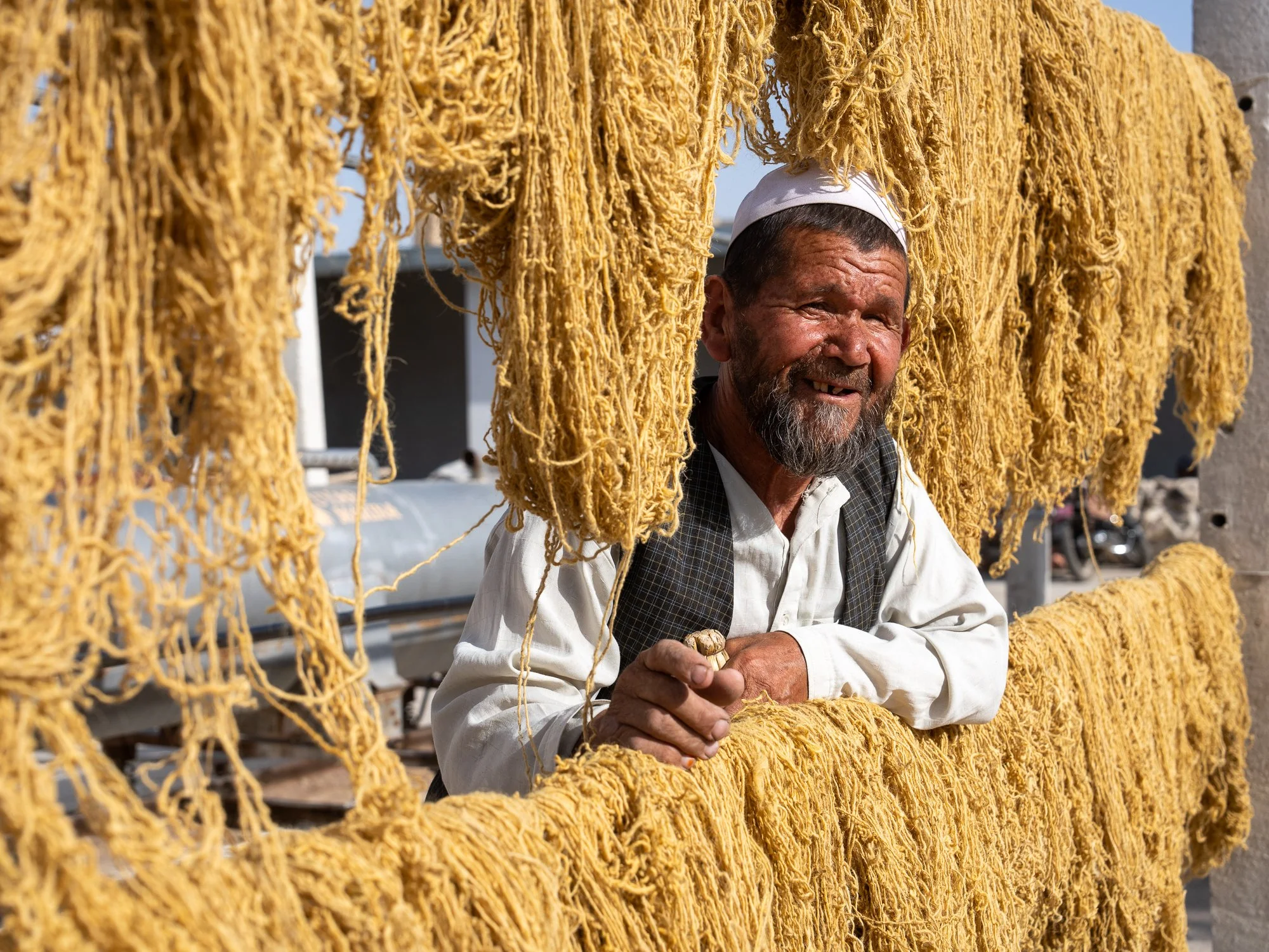
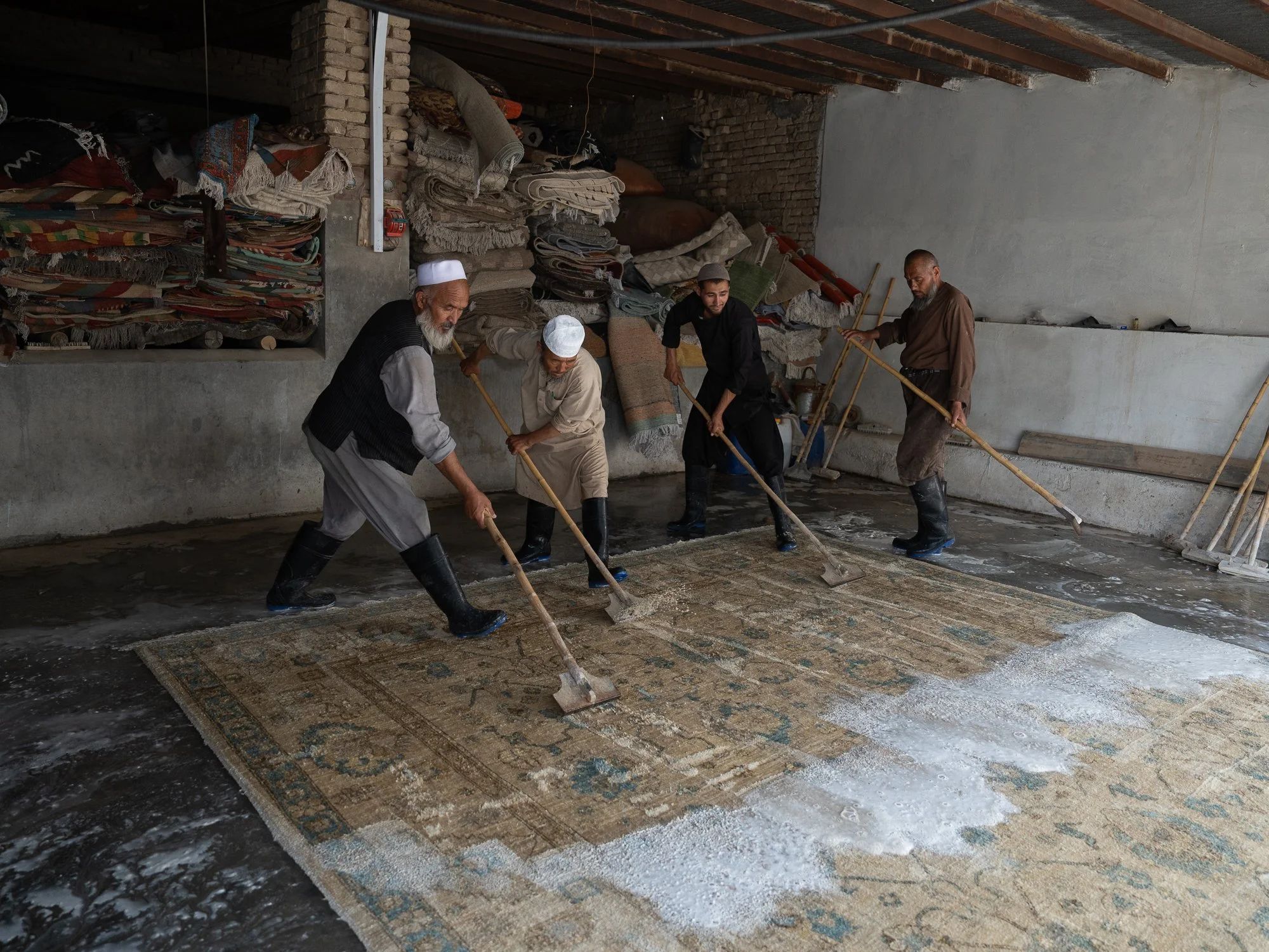
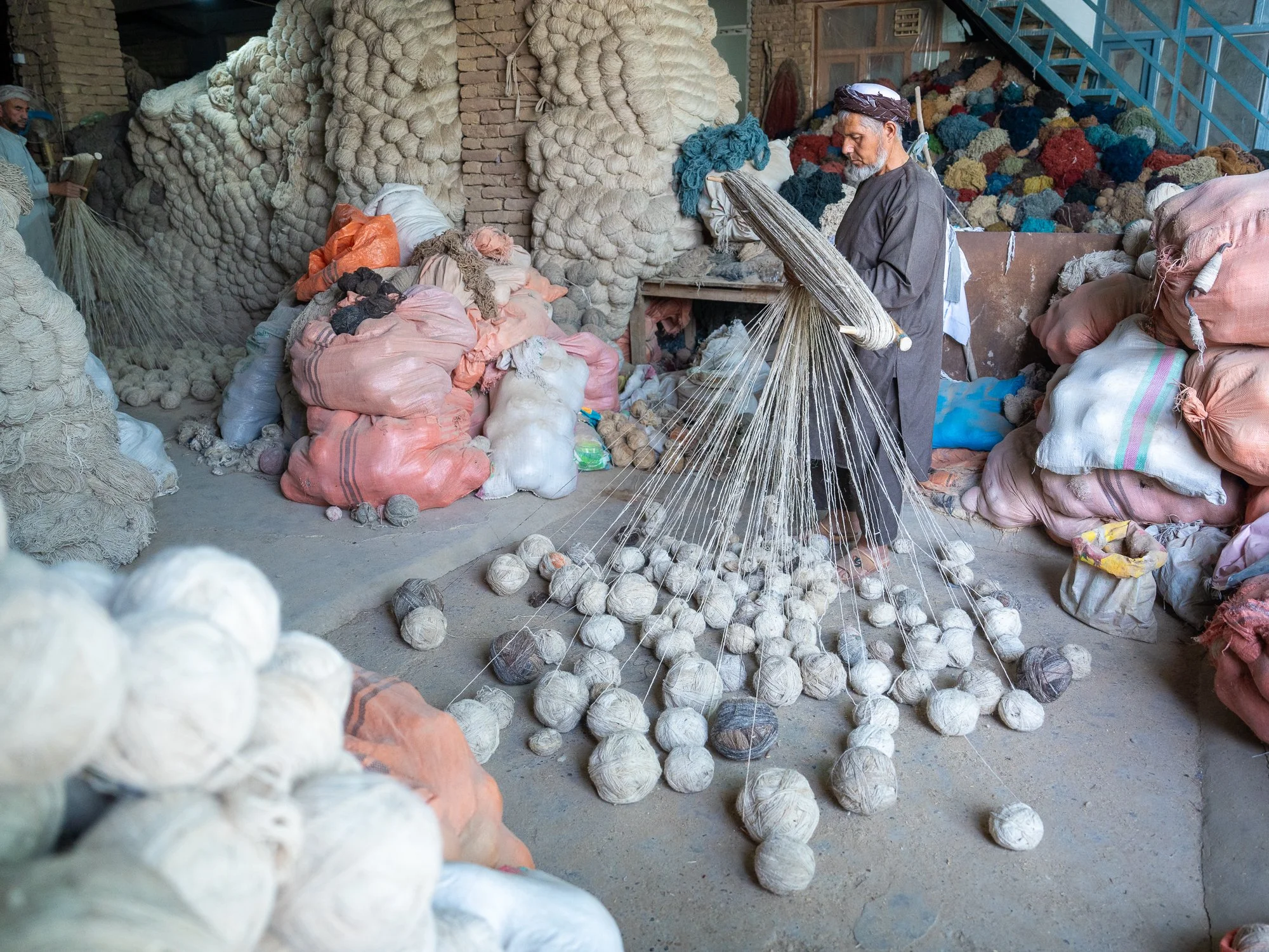
In the afternoon, we travel on to Aqcha, a predominantly Turkmen town renowned for its kelim weaving traditions. Aqcha is famous for producing some of the finest flat-woven carpets in the region, using local wool, natural dyes, and techniques passed down through generations. Ismail, who is himself involved in the carpet trade, will introduce you to some of the town’s best workshops and manufacturers. You’ll see the weaving process up close and, if you wish, have the opportunity to purchase kelims directly from the source at local prices—authentic, hand-made pieces rooted in centuries-old Afghan craftsmanship.
Travellers who are visiting the in winter should plan to be in Mazar on a Friday to watch a game of Buzkashi - this may add one extra day to the tour.
Aqcha Kelim Production:
-
![]()
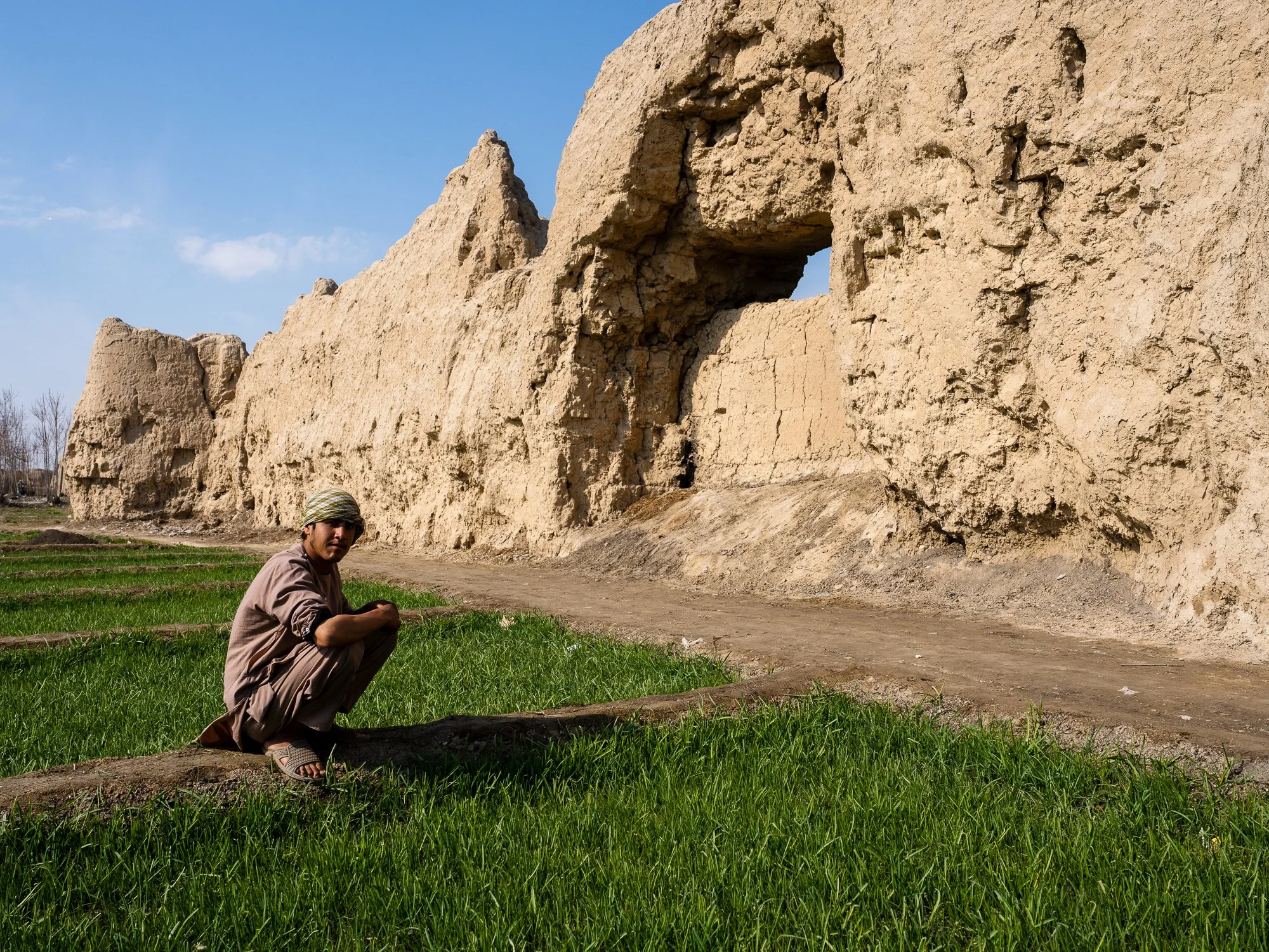
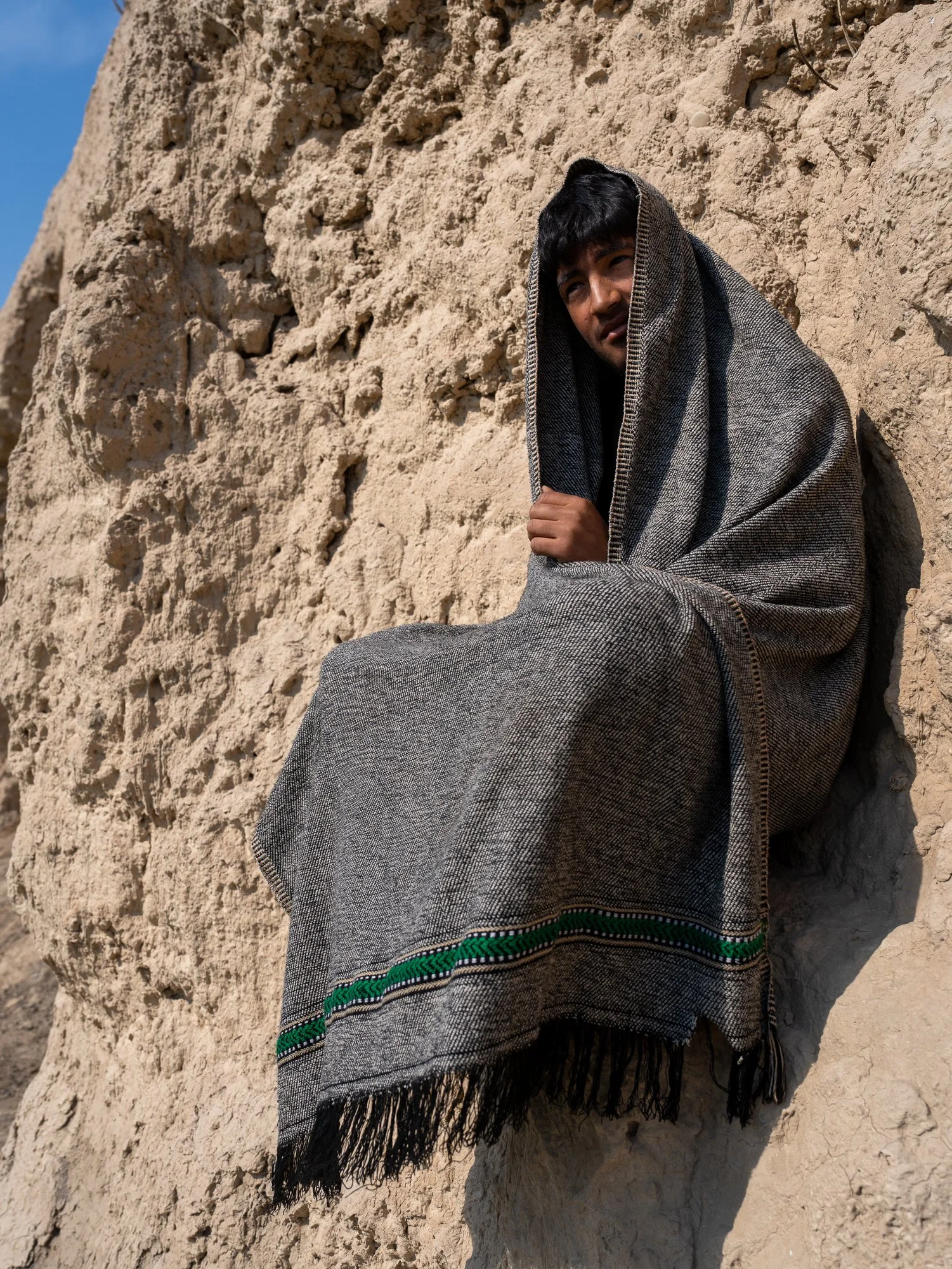
Farmer working the land round the historic city of Balkh.
-
![Haji Piyada - Balkh]()
Haji Piyada - Balkh
-
![]()
Haji Piyada Mosque Details in Baklh
-
![]()
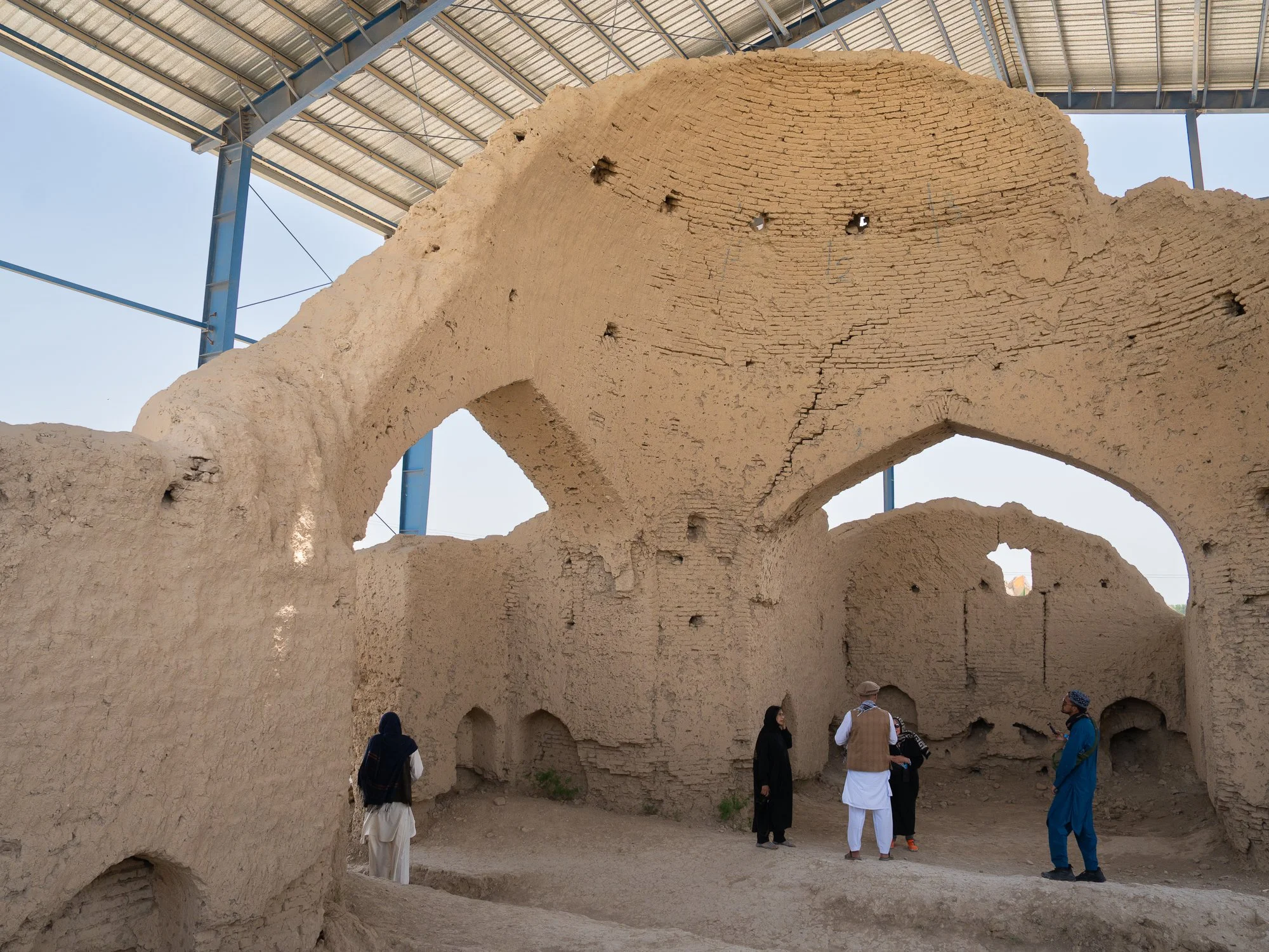
Balkh is a living, breathing open air museum.
-
![]()
The house that Afghan poet Rumi grew up in.
Day #003
A long day’s journey begins with a pre-dawn departure eastwards on the Kabul road from Mazar. We’ll pause in the soft morning light as Samangan stirs to life—smoke rising from the chimneys of kebab houses as the day begins. From here, we visit Takht-e-Rustam, one of Afghanistan’s most remarkable Buddhist sites. There are many places Safarat’s founder Joe claims as favourites, but Takht-e-Rustam—and in particular the striking Buddhist complex carved into the hillside beneath it stands above them all.
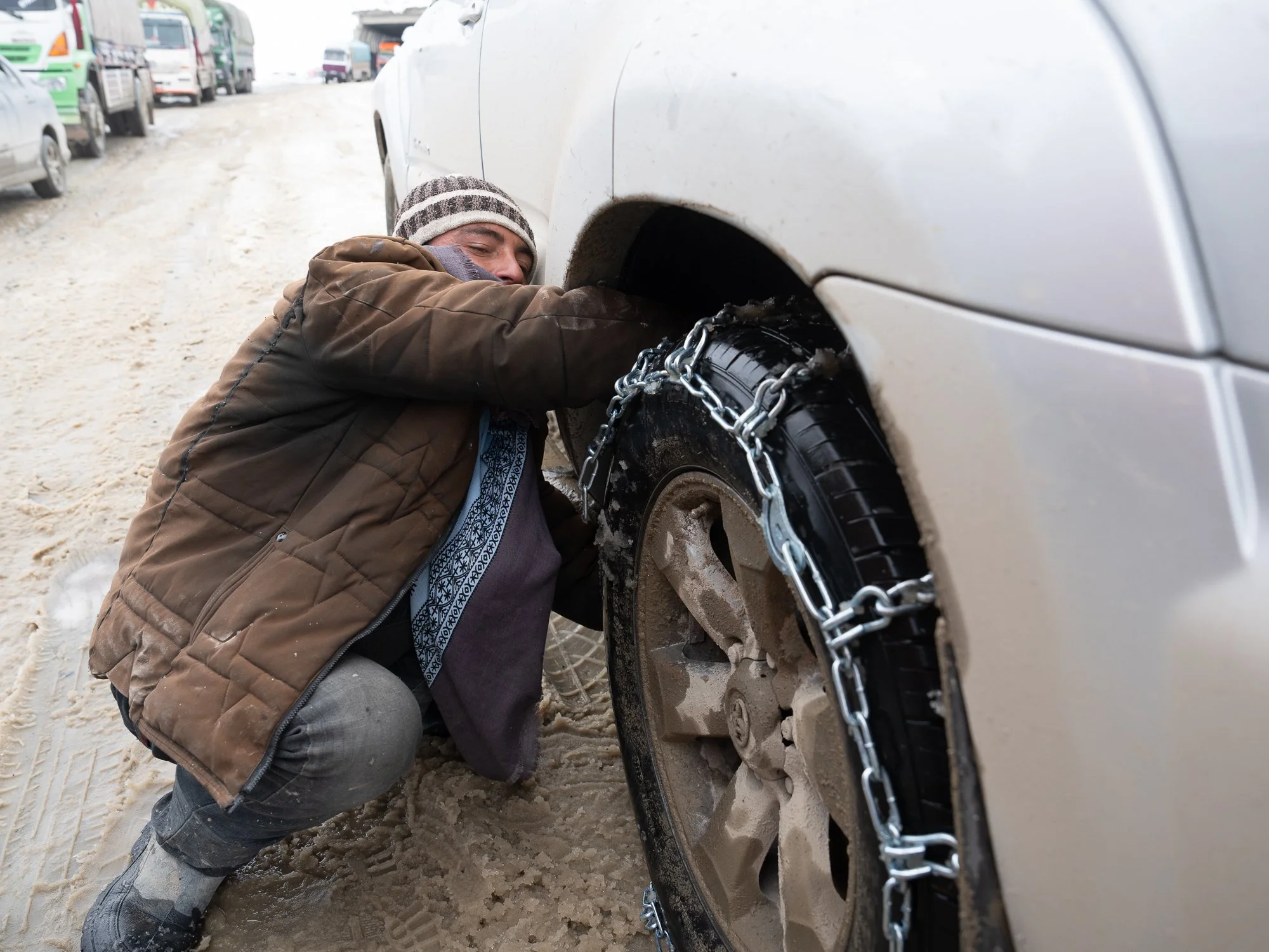
From Samangan, it’s time to prepare for the mountains. Snow chains are fitted as we enter the dramatic gorge at Tashkurgan before beginning the climb into the Hindu Kush. The crossing is defined by the Salang Tunnel, a landmark of Afghan infrastructure and a serious adventure in itself. Completed in 1964 with Soviet assistance, the tunnel was once the highest road tunnel in the world and revolutionised year-round travel between northern and southern Afghanistan. While road improvements have been promised for 2026, the route remains tough and demanding for now expect a long, gruelling day in the vehicle.
Once on the southern side of the Salang, the scenery opens into rolling mountain landscapes as we continue toward Bamiyan. It will have been a long day, but you’ll arrive after dark in a town that still feels very much like a village, calm and unhurried, and a welcome place to rest after one of the most dramatic drives of the journey.
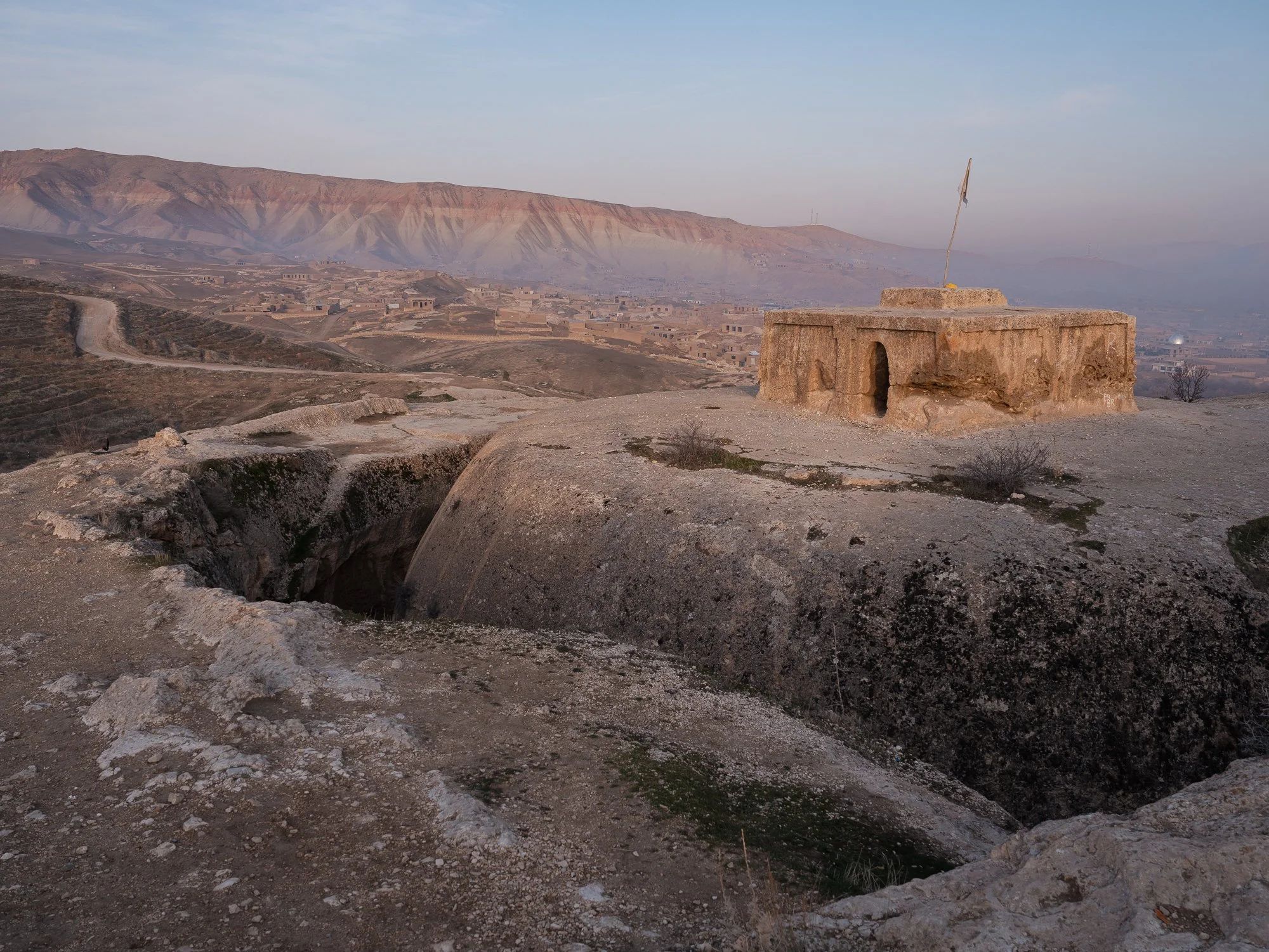
The remains of 'Takht-E-Rustam' in the morning light. The circular stupa is hollowed out of solid rock, surrounded by a trench-like corridor that pilgrims would have used for ritual circumambulation. From this central monument, a network of hand-cut tunnels and chambers extends into the hillside. These passageways once served as meditation cells and monastic spaces, offering Buddhist monks a secluded environment for study and contemplation.
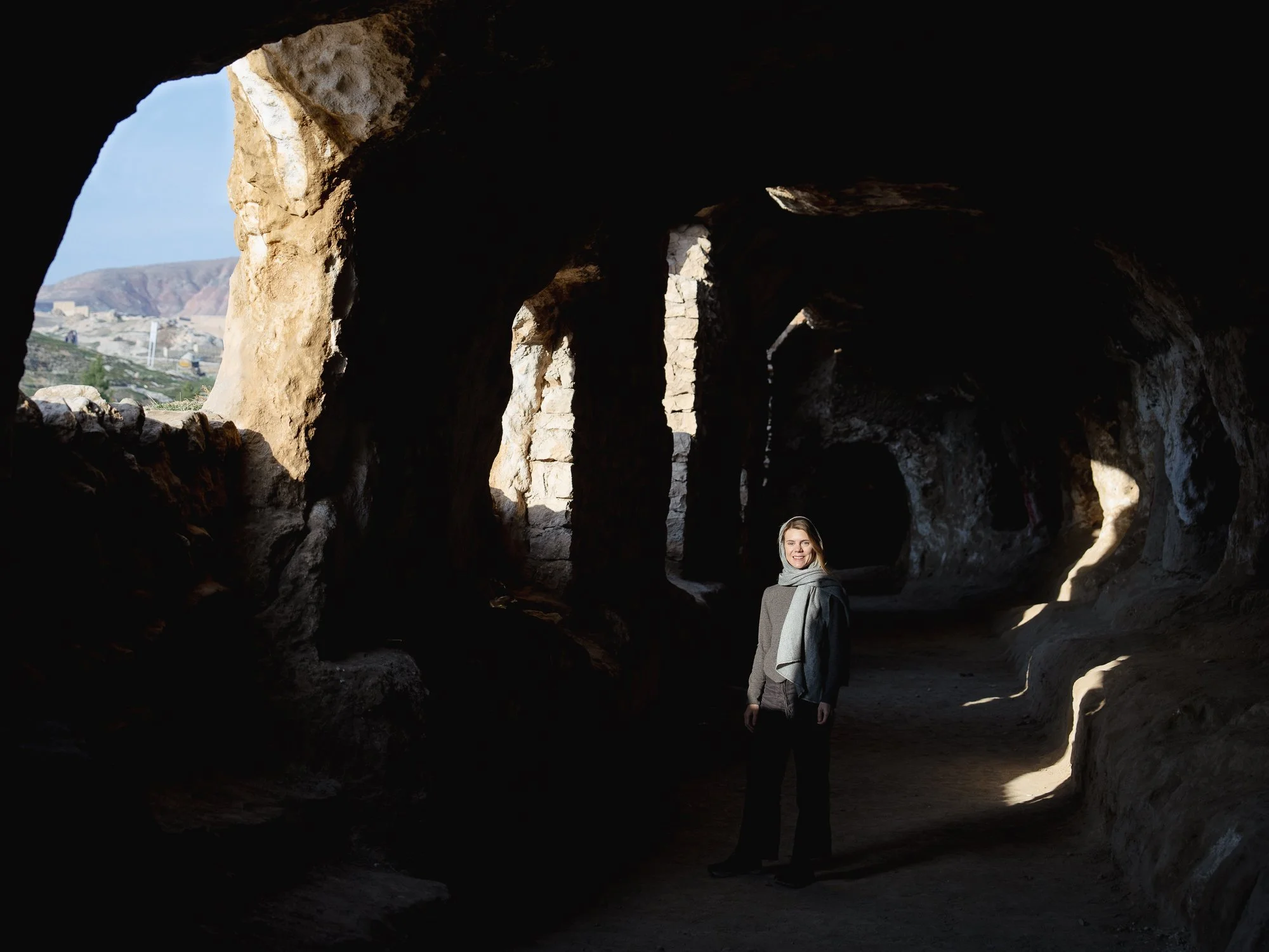
At the base of the hill at Takht-e Rostam lies a second, lesser-known but equally important part of the Buddhist complex, distinct from the rock-cut stupa at the summit. This lower complex consists of a series of caves, tunnels, and chambers carved horizontally into the hillside, forming what is believed to have been the main monastic and residential area. These lower chambers functioned as living quarters, meditation rooms, and teaching spaces for monks.
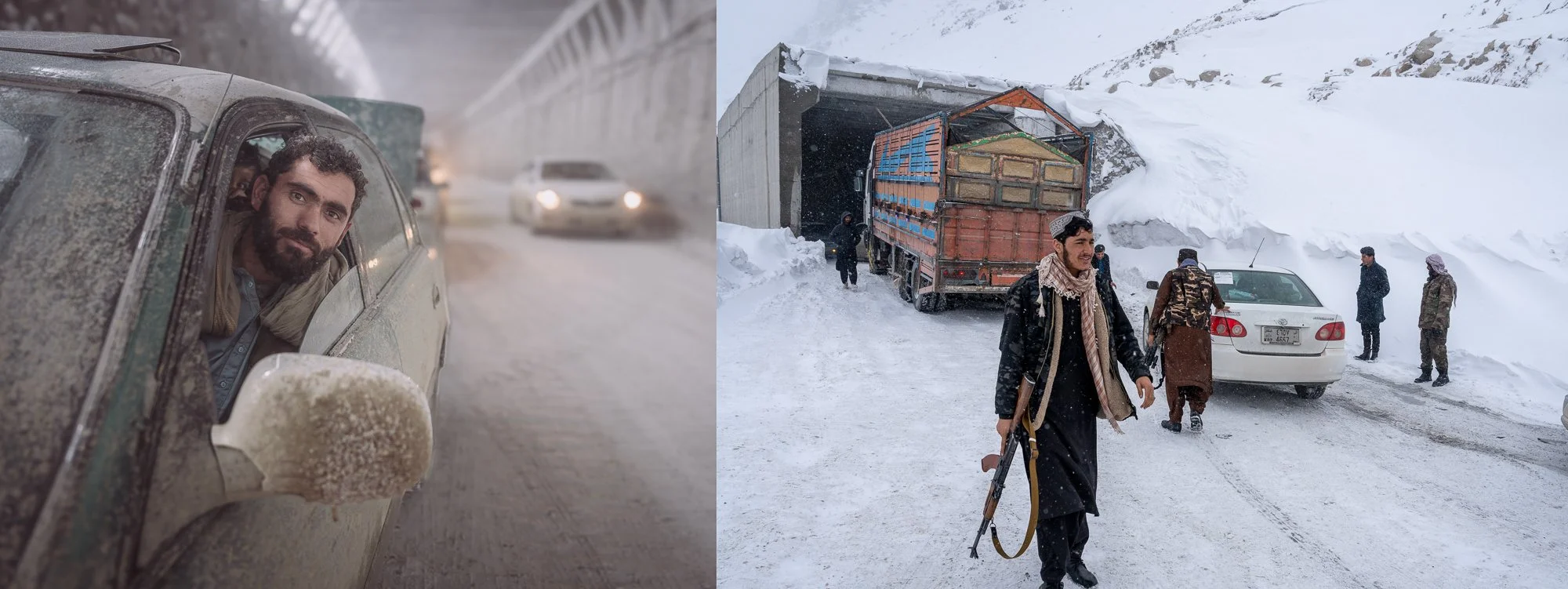
Salang Pass - over the Hindu Kush and onto Bamiyan. Always an adventure in summer or winter.
Day #004
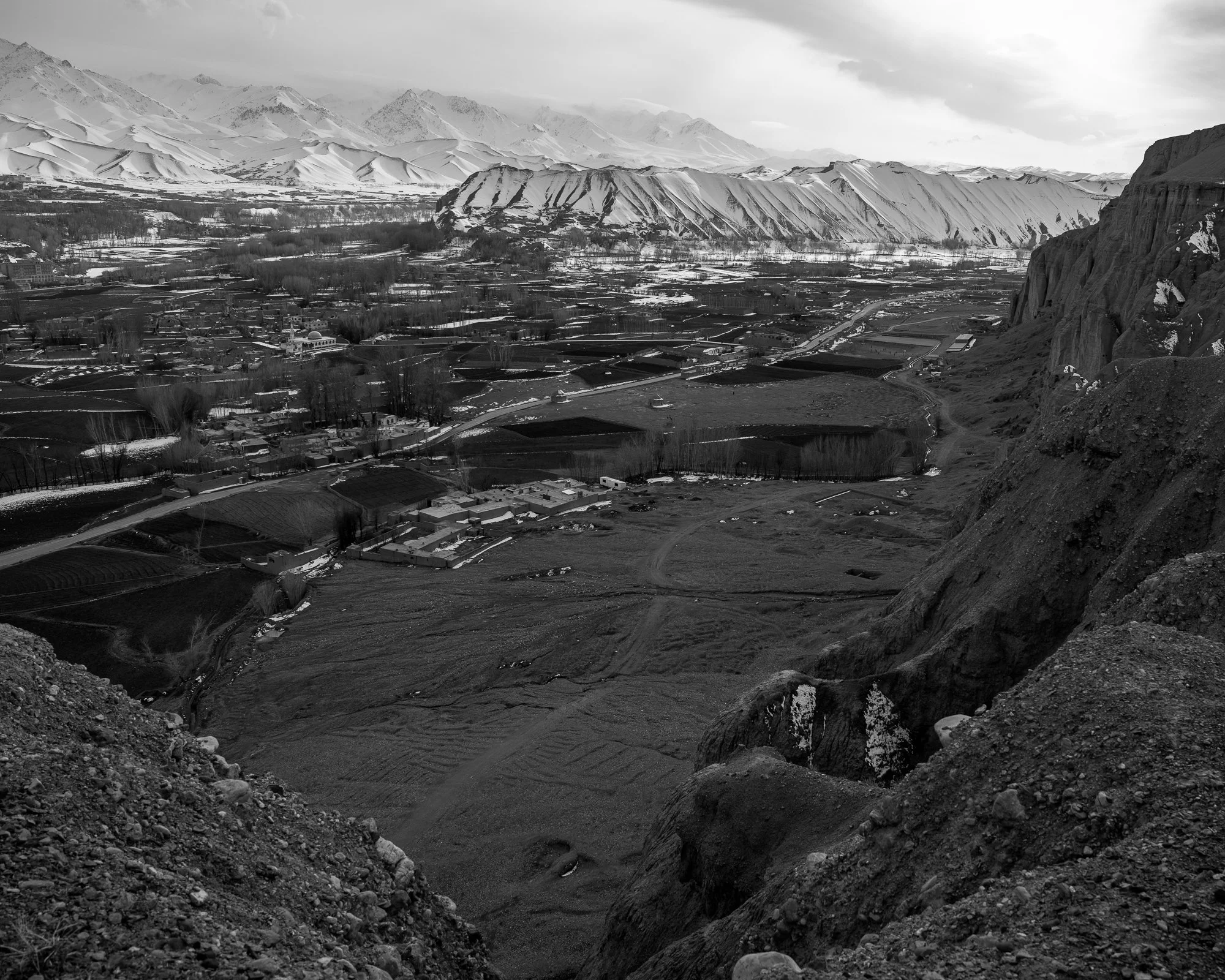
We won’t ruin the surprise, but the view from your Bamyan hotel room is pretty special after your long journey the previous day. Bamyan may be a provincial capital, but it’s lost none of it’s village charm and you’ll feel like you’re wondering through the lanes of a village, through fields, past workers tilling the fields by hand towards the remains of the famous Buddhas of Bamyan . Most travellers enjoy spending a few hours wondering around the massive site - there is a huge amount to see beyond the two main buddhas, and once you are tired of exploring the frescos, caves and niches the charming bazaar is only a 10 minute walkaway. The Hazara people of Bamyan are the most welcoming and warm in Afghanistan, and you’ll find yourself welcomed into shops, encouraged to try seasonal fruits and asked to join chatting locals for tea.
The afternoon is for mountain lovers and those who enjoy the great outdoors. We’ travellers will have the choice of spending the day at the famous and instantly recognisable blue waters of Band-E-Amir national park. The site is Afghanistan’s number one destination for both international and domestic tourism, but despite this you’ll never feel crowded out and for many visitors it remains a reason they decided to visit the country in the first place.
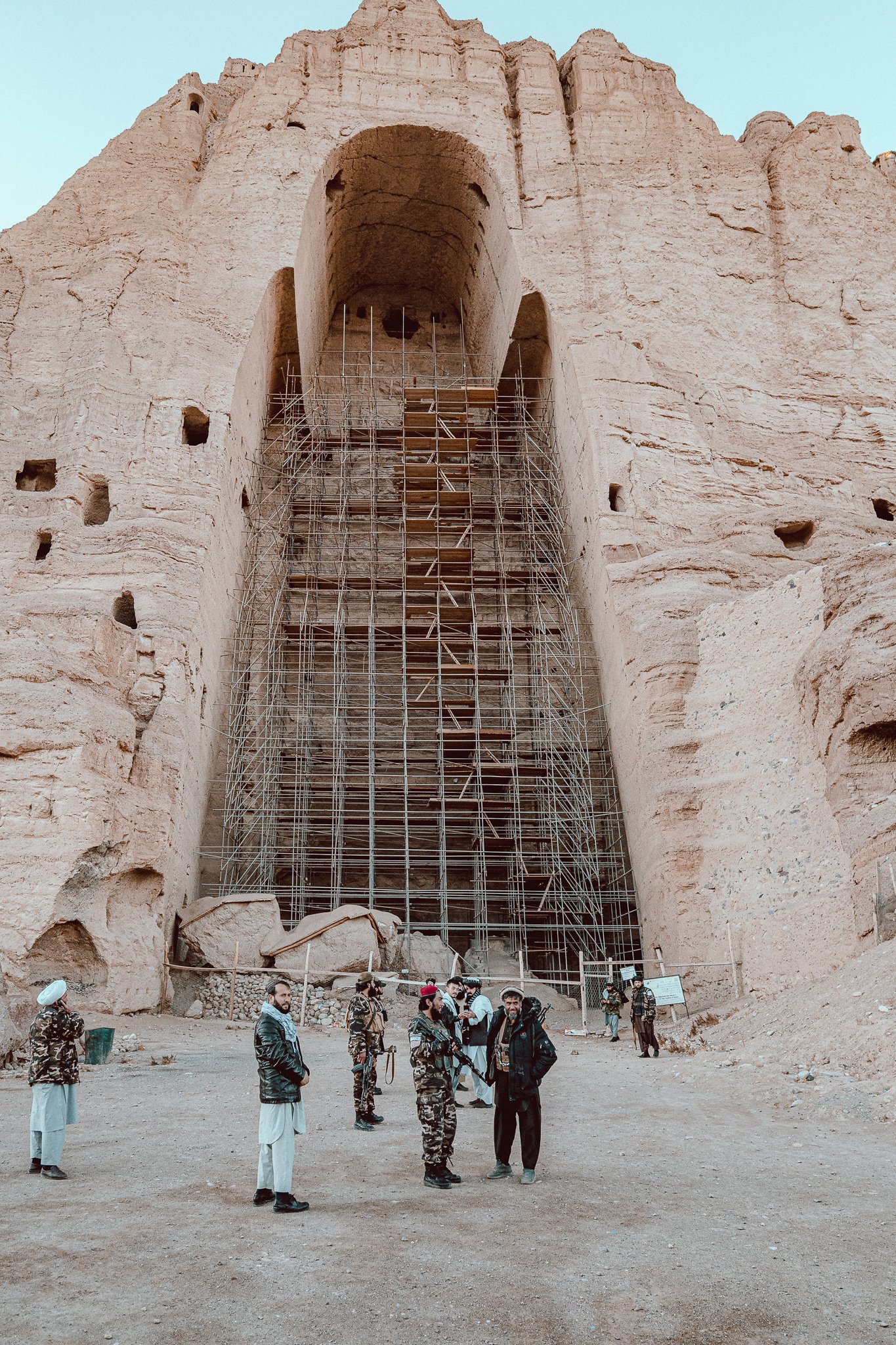
Members of the Taliban hanging around the remains of Bamyan's famous buddha.
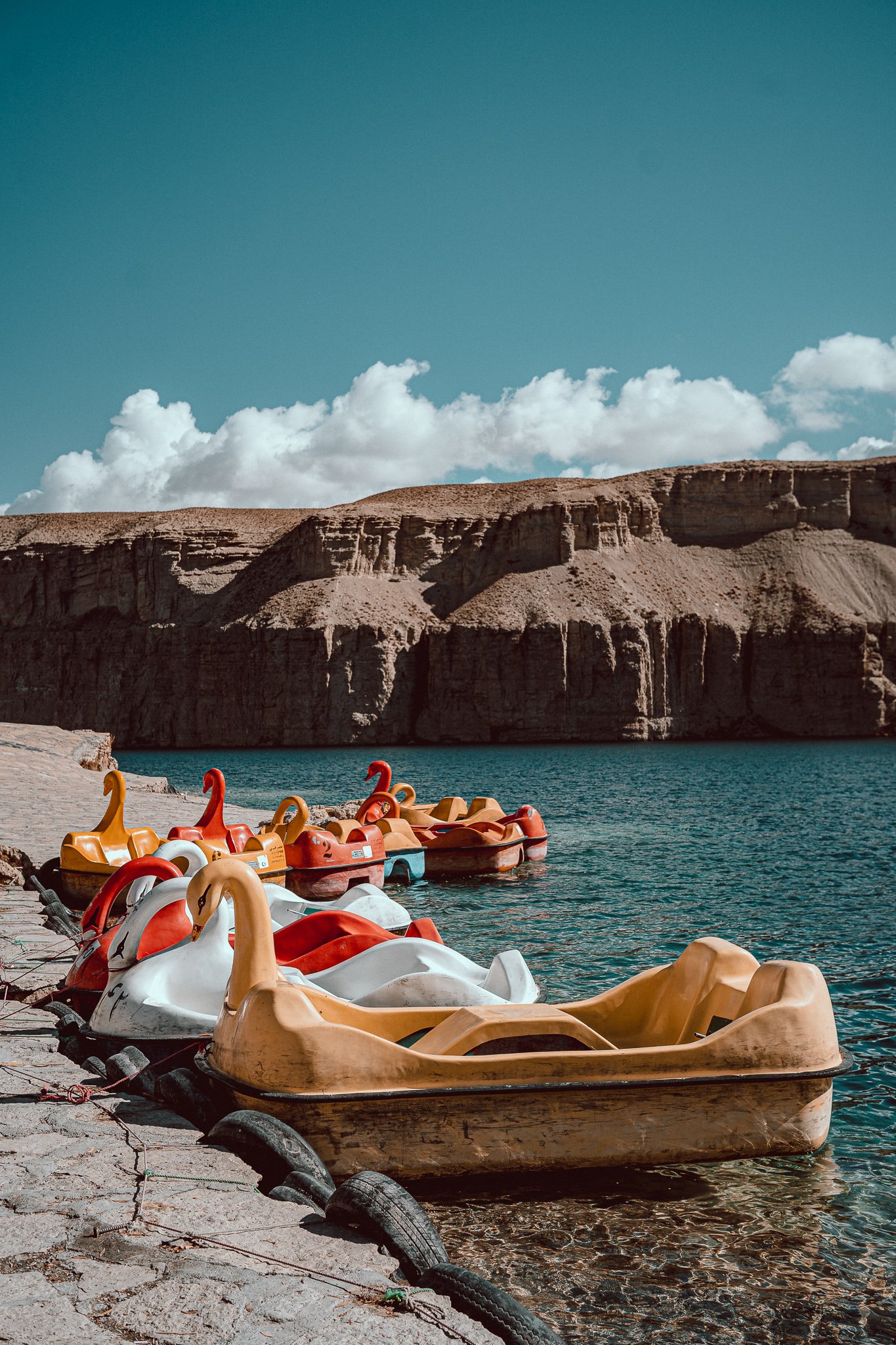
Pedalos are parked at the bottom of the Band-E-Amir national park
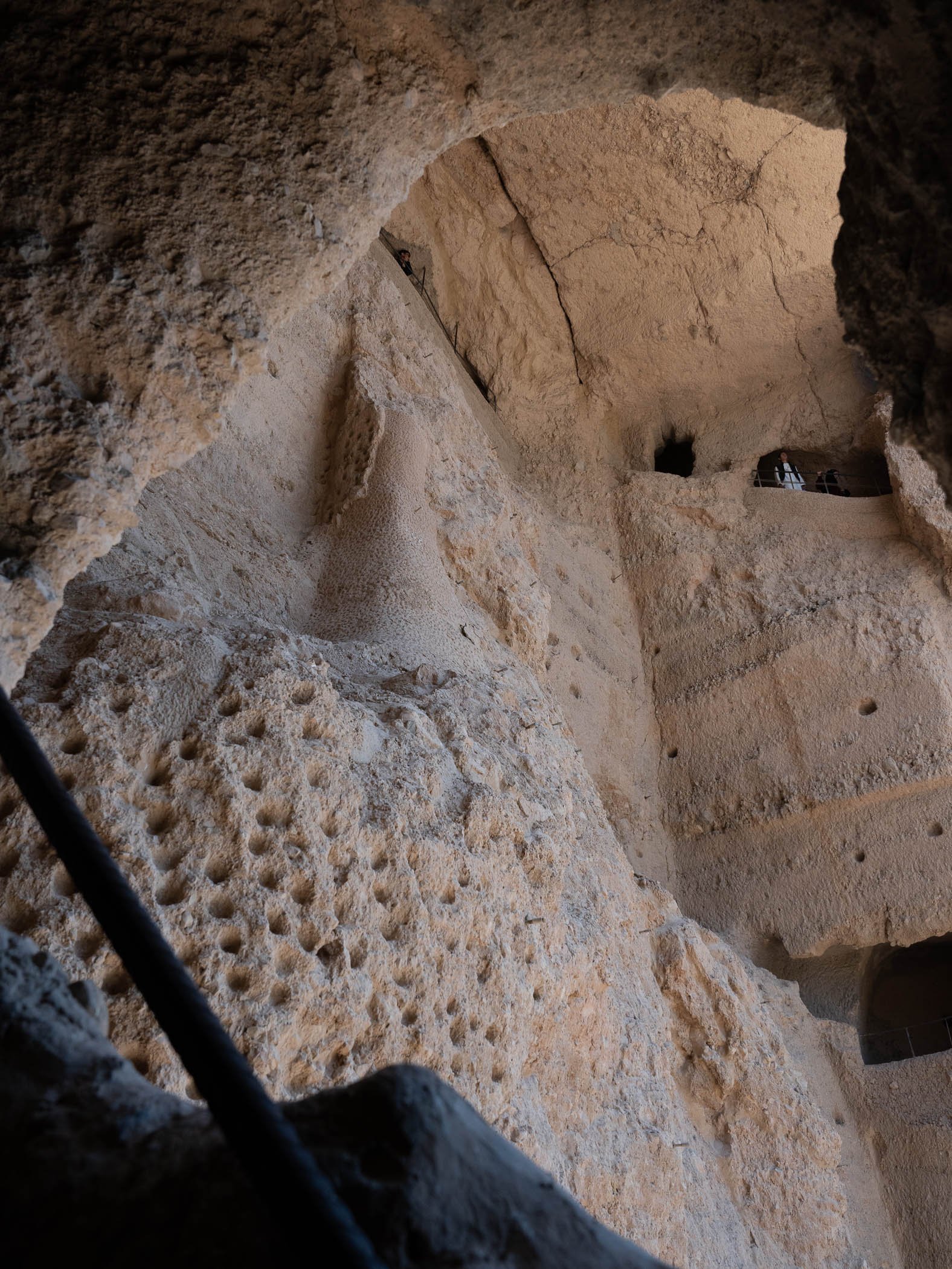
A close up of the remains of "Shah Mama" the female buddha at the East of the Bamyan city complex.
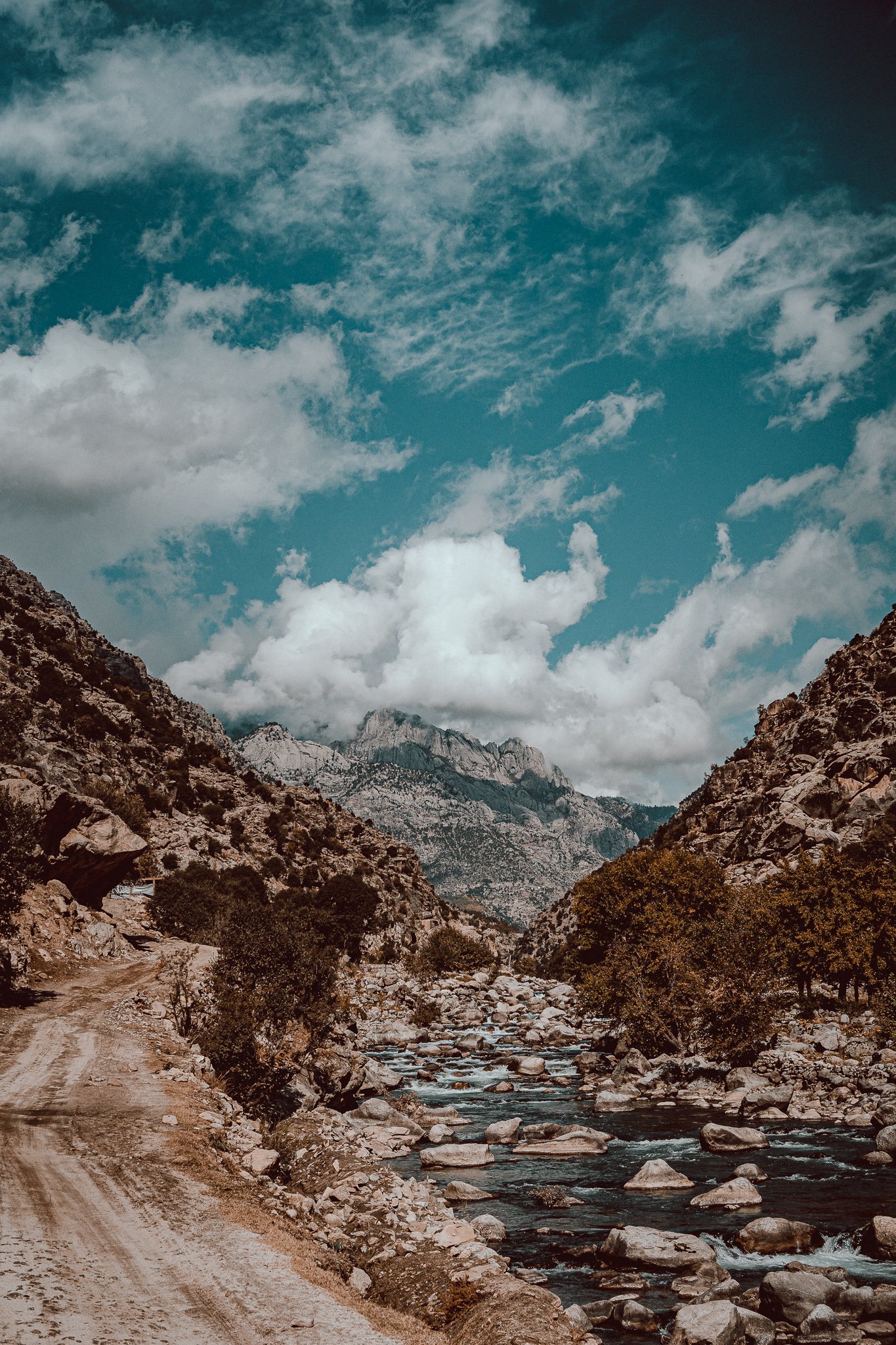
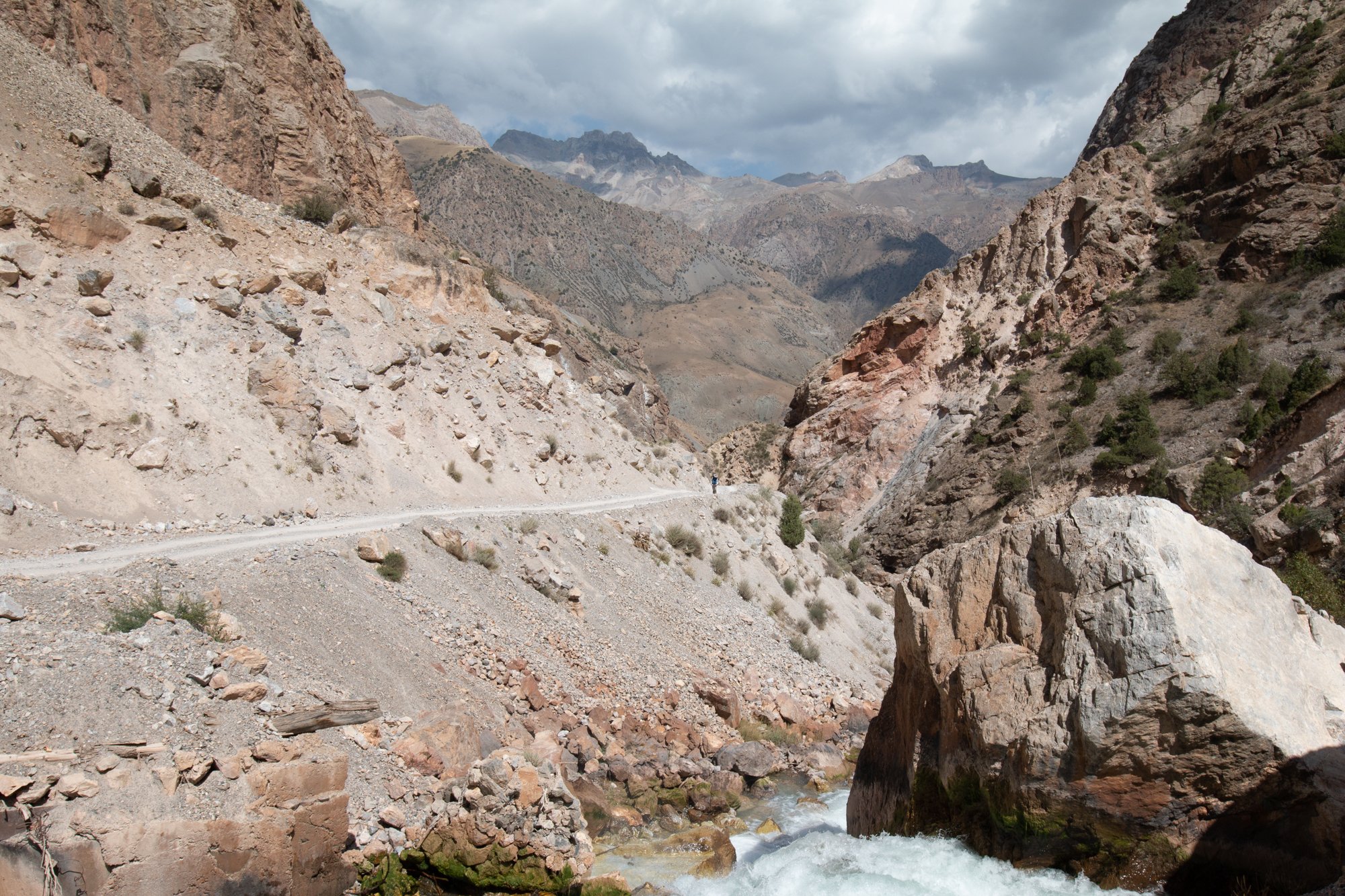
The journey to Bamyan through Kabul takes us through stunning mountain scenery rising to over 2000m in places.
Day #005
Another morning in Bamiyan is spent exploring more of the valley’s remarkable archaeological sites, including the City of Screams and the Red City, also known as Zohak City. The City of Screams, or Shahr-e Gholghola, sits on a fortified hill overlooking the valley and is closely associated with the Mongol invasion of the 13th century. According to local tradition, the city was destroyed by Genghis Khan’s forces after a prolonged siege, its name echoing the cries said to have filled the valley during its fall. Today, its eroded walls and commanding views offer a stark reminder of Bamiyan’s role as a strategic and cultural crossroads on the Silk Road.
Nearby, the Red City of Zohak rises dramatically at the confluence of two rivers, its iron-rich cliffs giving the fortress its distinctive colour. Older than the City of Screams, Zohak dates back to pre-Islamic times and was later expanded and reused by successive dynasties who recognised its defensive importance. Together, these sites speak to Bamiyan’s layered history as a place of trade, religion, conquest, and resilience, long before the destruction of the Buddhas brought it global attention.
From Bamiyan we begin the journey south, crossing the Hajigak Pass, one of the most dramatic mountain routes in the country. This high pass has linked central Afghanistan with the south for centuries, used by traders, armies, and pilgrims moving between regions. The changing landscapes as we descend from the central highlands towards Ghazni mark a clear shift in both geography and history.
Ghazni is one of Afghanistan’s most historically significant cities. Once the capital of the Ghaznavid Empire in the 10th and 11th centuries, it was a major centre of Islamic learning, art, and power, rivaling cities such as Baghdad and Isfahan. Scholars, poets, and architects were drawn here, and remnants of this golden age can still be seen in the city’s minarets, mausoleums, and scattered ruins. Ghazni’s past as an imperial capital gives it a depth and importance that is still felt today.
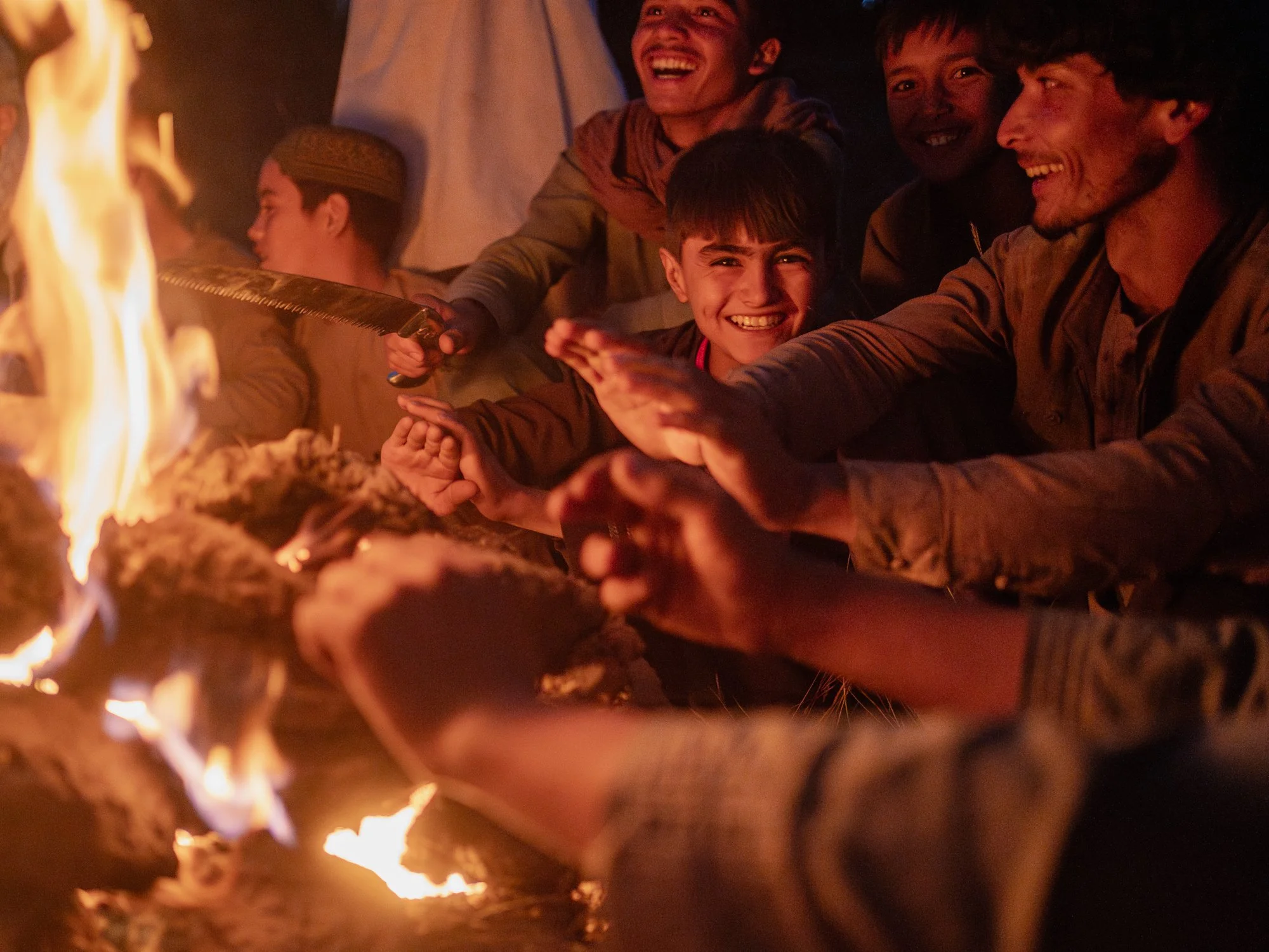
Yet beyond its grand history, what draws us most strongly to Ghazni is the small hamlet of Khawja Mari. Here, you are hosted by local villagers in what has become our most successful and meaningful homestay. Staying in Khawja Mari allows you to experience daily village life away from the cities that dominate much of Afghan tourism. You can walk through the historic settlement, dotted with abandoned qalas and small castles, share traditional meals prepared by your hosts, and spend time in a place where hospitality is deeply woven into everyday life. For many travellers, this intimate glimpse into rural Afghanistan becomes one of the most memorable and rewarding parts of the journey.
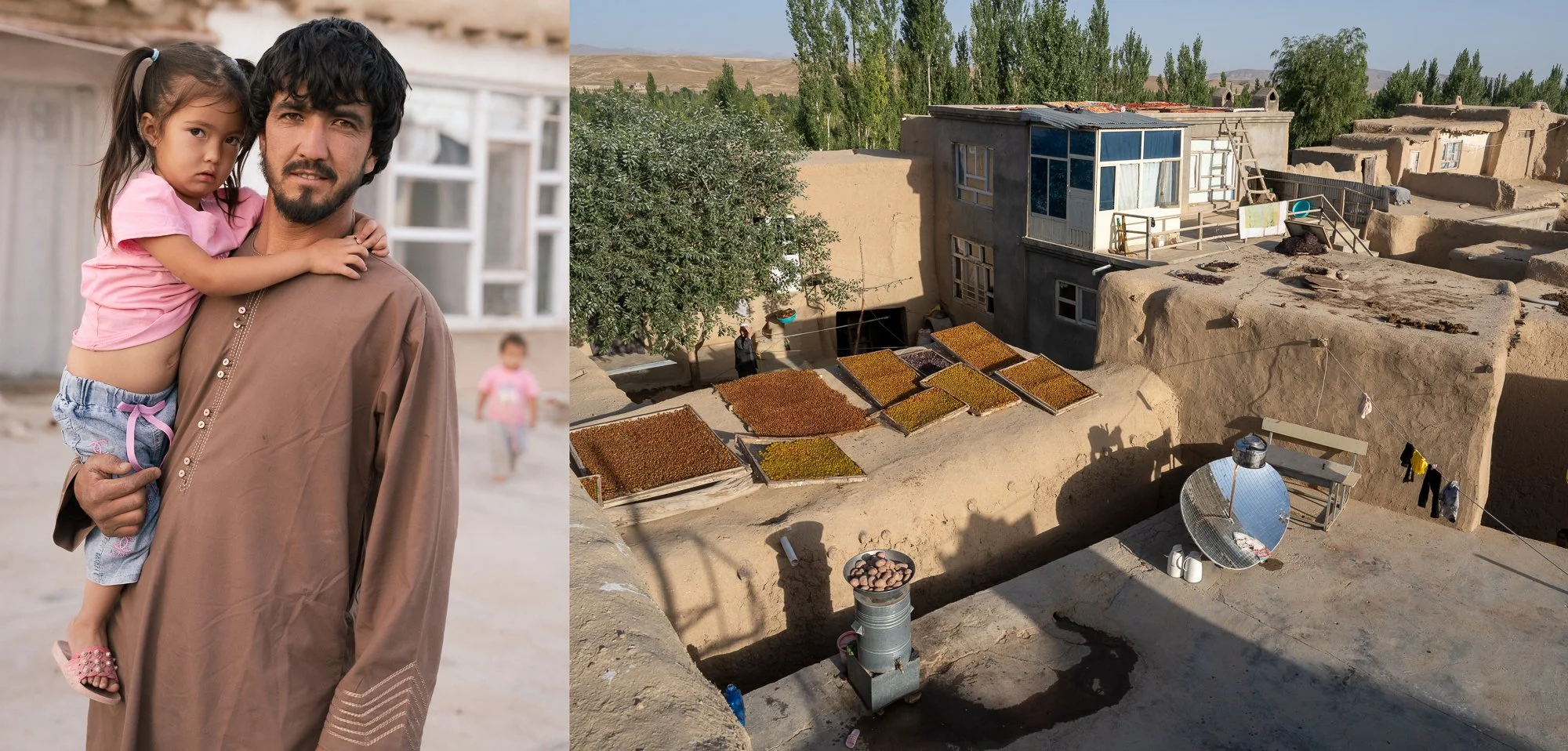
Homestay host, Ghazni
Day #006
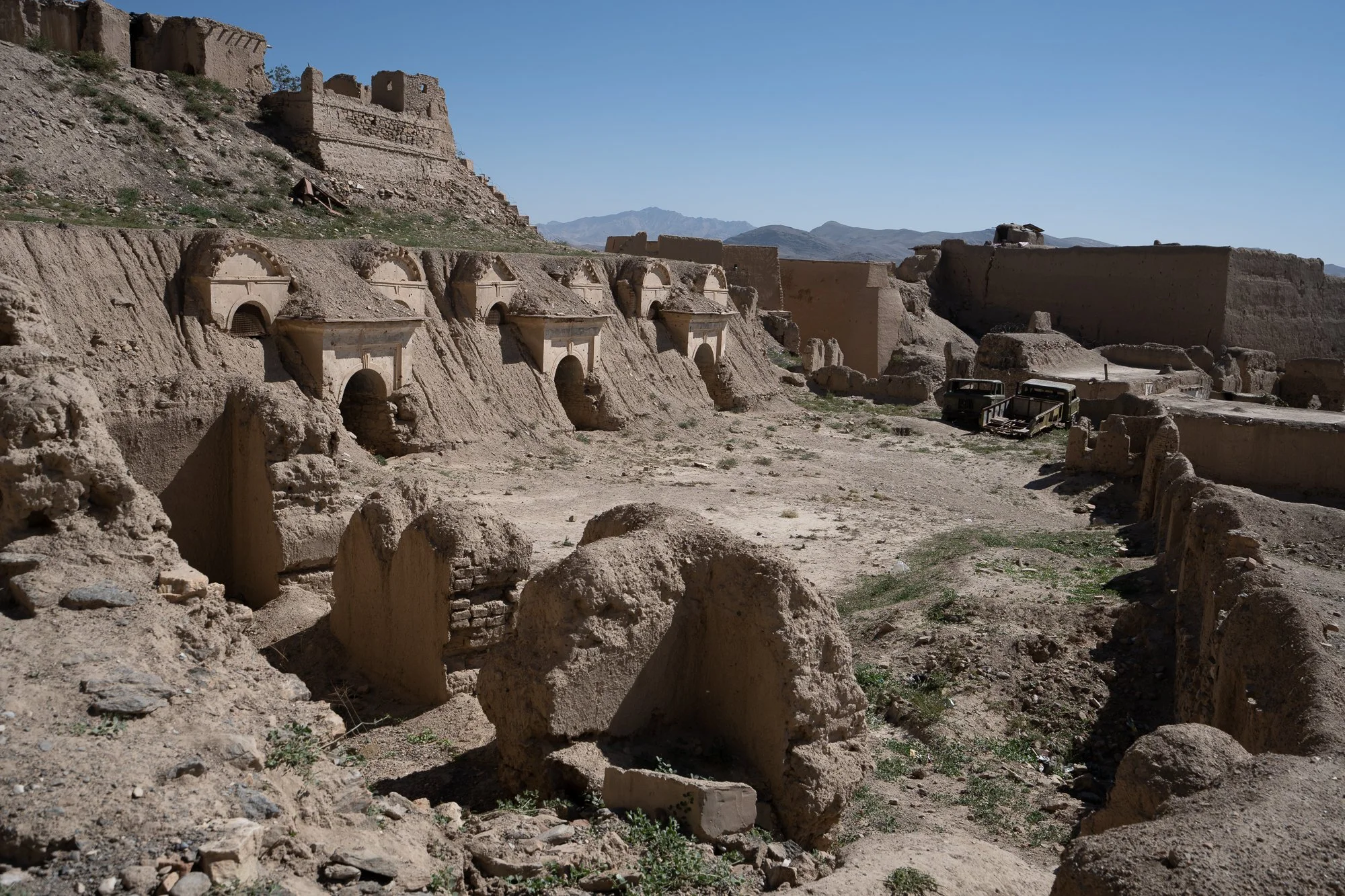
You’ll wake up in the homestay and share an unhurried breakfast with your hosts, a quiet moment to enjoy village life before setting out to explore the historic sites of Ghazni. The morning begins with a visit to the Ghazni Citadel, a formidable fortress that has witnessed centuries of conflict and empire. During the Anglo-Afghan Wars of the 19th century, Ghazni was a key strategic stronghold. In 1839, British forces famously stormed the citadel by blowing open its gates, a dramatic episode that underscored the city’s military importance and the fierce resistance Afghanistan posed to foreign armies. The scarred walls and commanding position of the citadel still speak to Ghazni’s role as a gateway between central and southern Afghanistan.
Nearby stand the Minarets of Ghazni, elegant remnants of the city’s golden age as the capital of the Ghaznavid Empire in the 11th and 12th centuries. Once part of a much larger architectural complex, these intricately decorated towers are among the finest surviving examples of early Islamic architecture in the region and a powerful reminder of Ghazni’s former wealth and influence.
The tour also includes Tepe Sardar, an important Buddhist archaeological site that predates Ghazni’s Islamic period. Excavations here have revealed stupas, monasteries, and large Buddha statues, highlighting the city’s role as a centre of Buddhist learning before the arrival of Islam and underscoring the deep, layered history that defines this region.
In the afternoon, we begin the journey back to Kabul, travelling through changing landscapes as the day draws to a close. You’ll arrive by nightfall.
-
![]()
Cooking 'Khar-oo-qi' potatoes in Ghazni
-
![]()
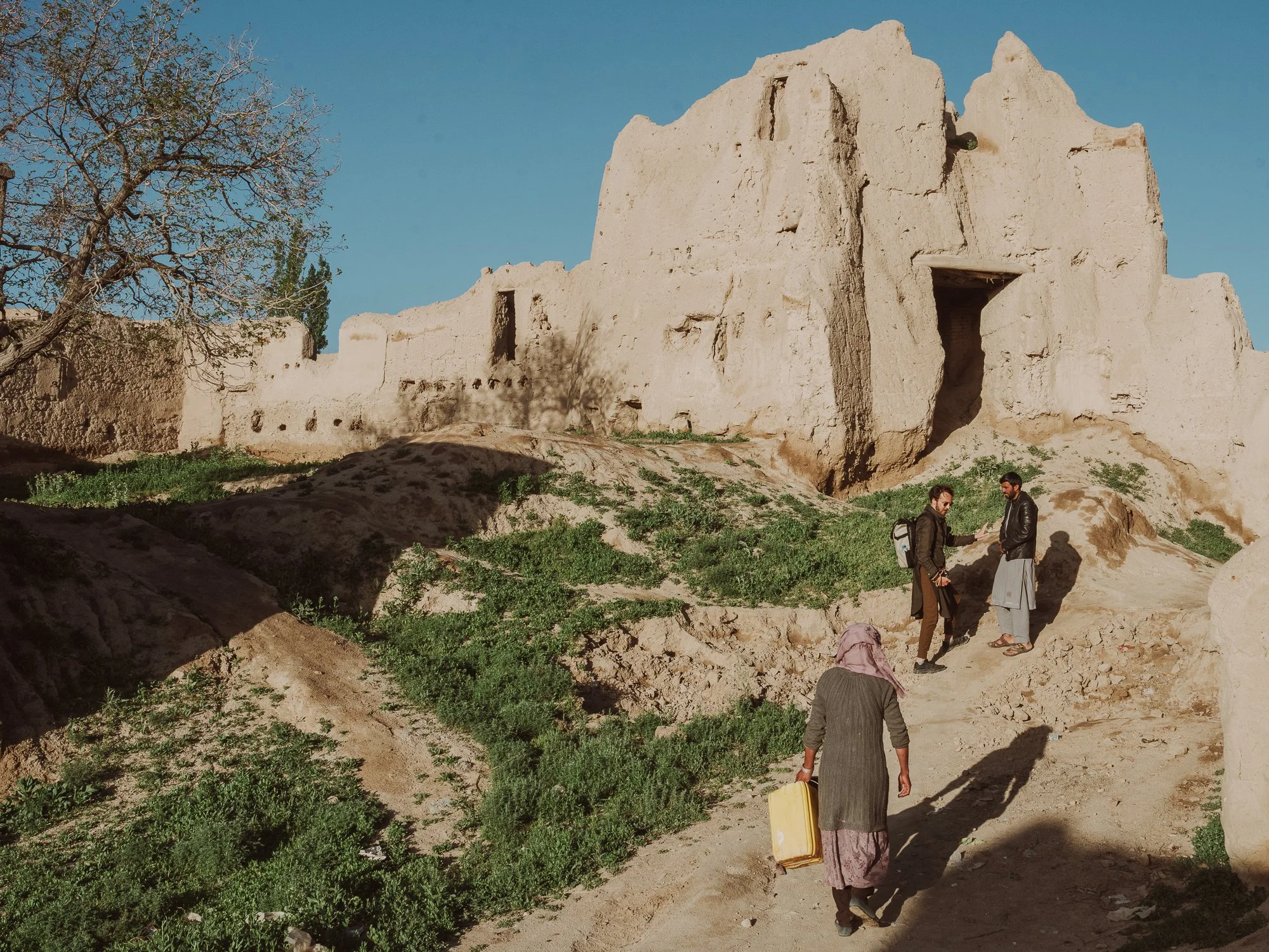
An abandoned 'qala' in the village.
-
![]()
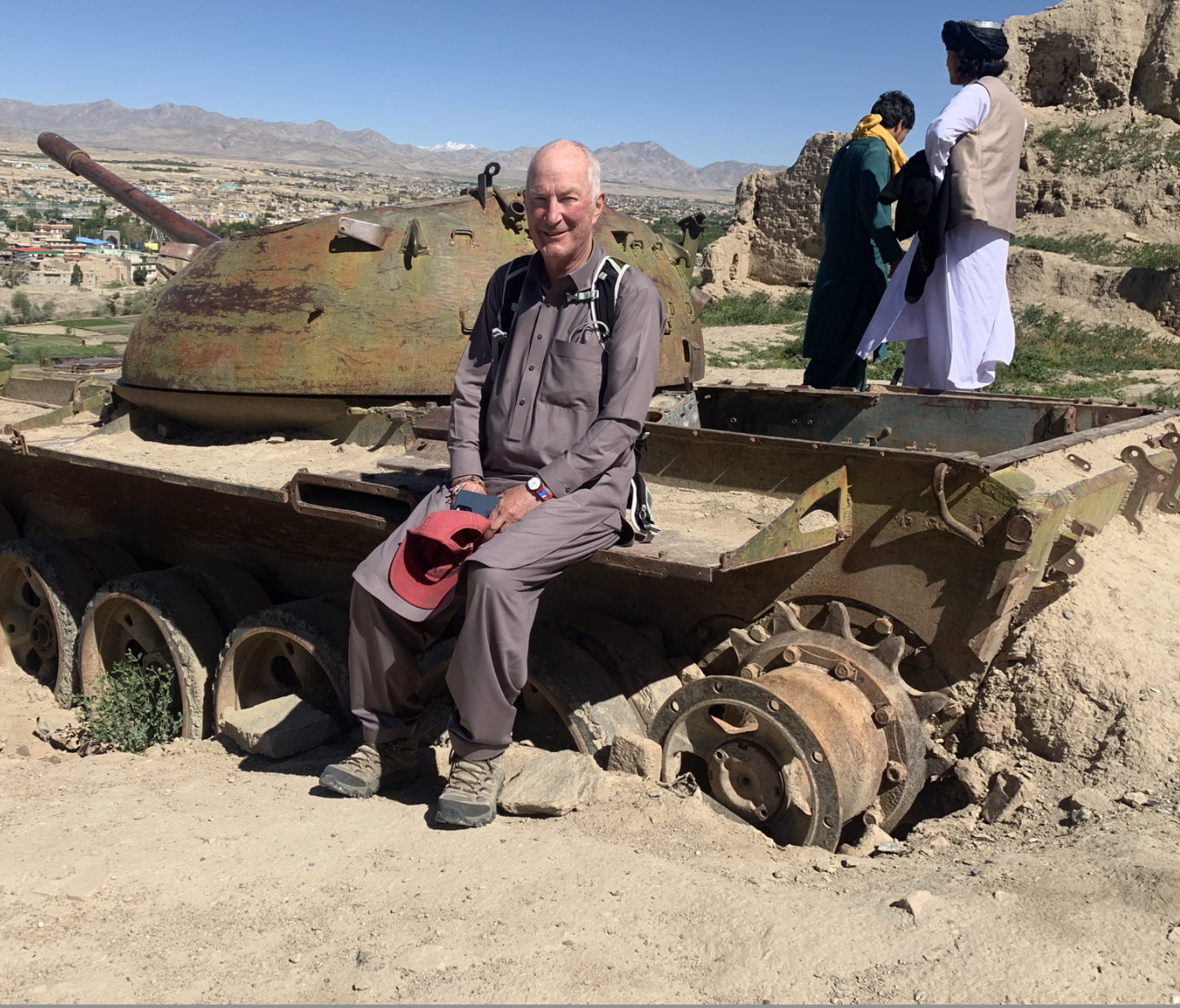
Traveller James at Ghazni Fort.
-
![]()
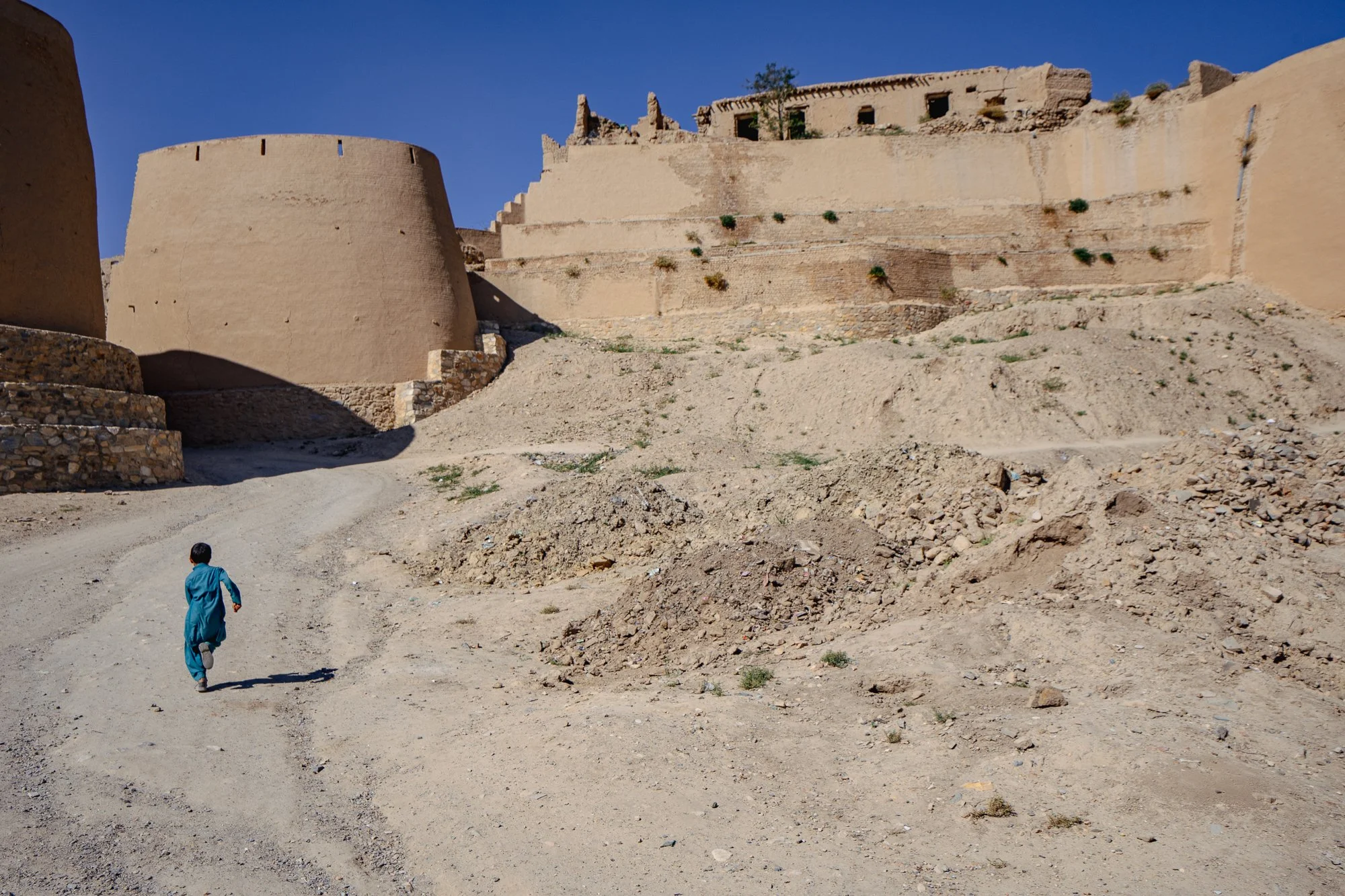
Ghazni Citadel
-
![]()
Soviet ammunition store at Ghazni Citadel.
Day #007
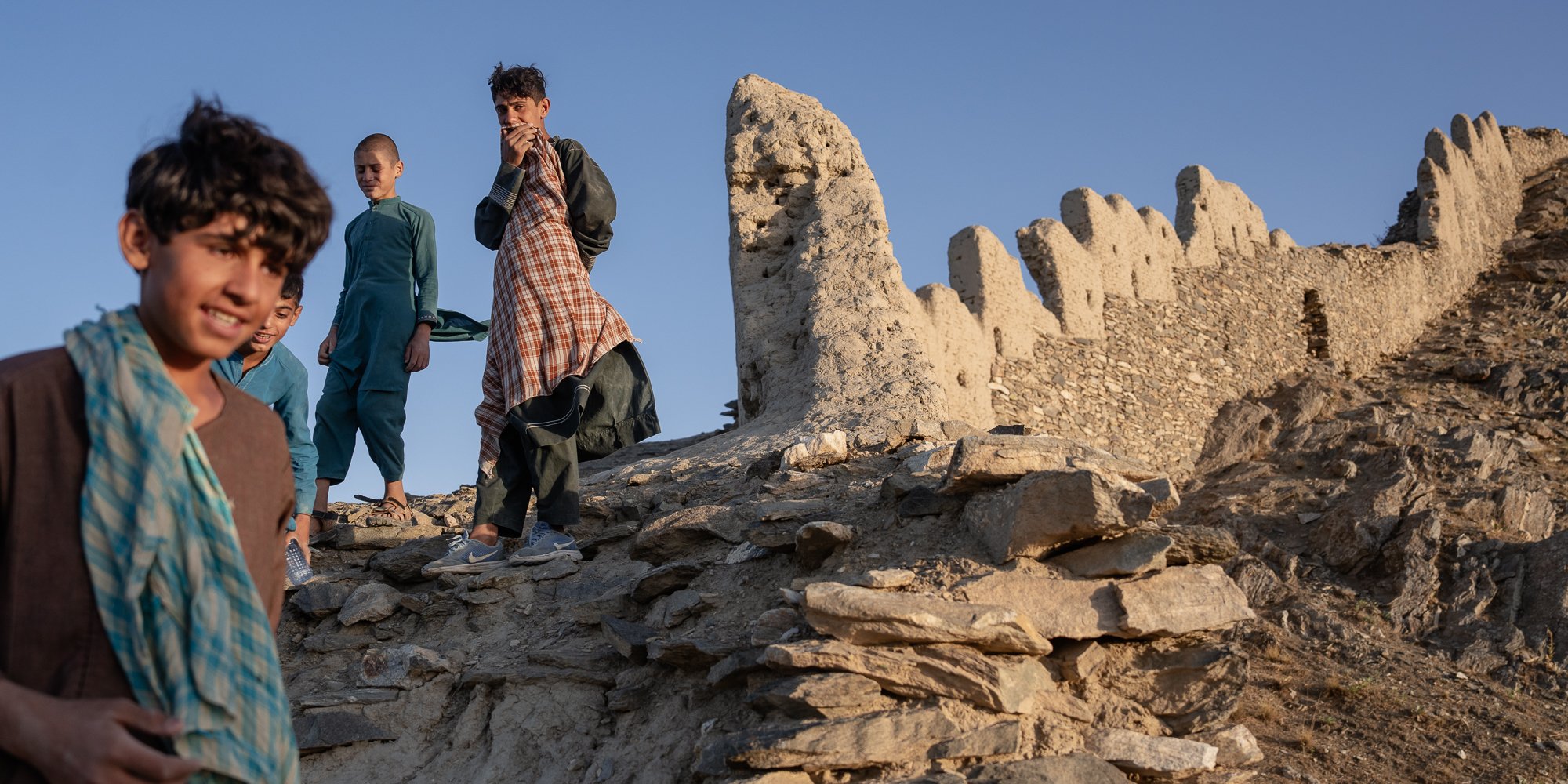
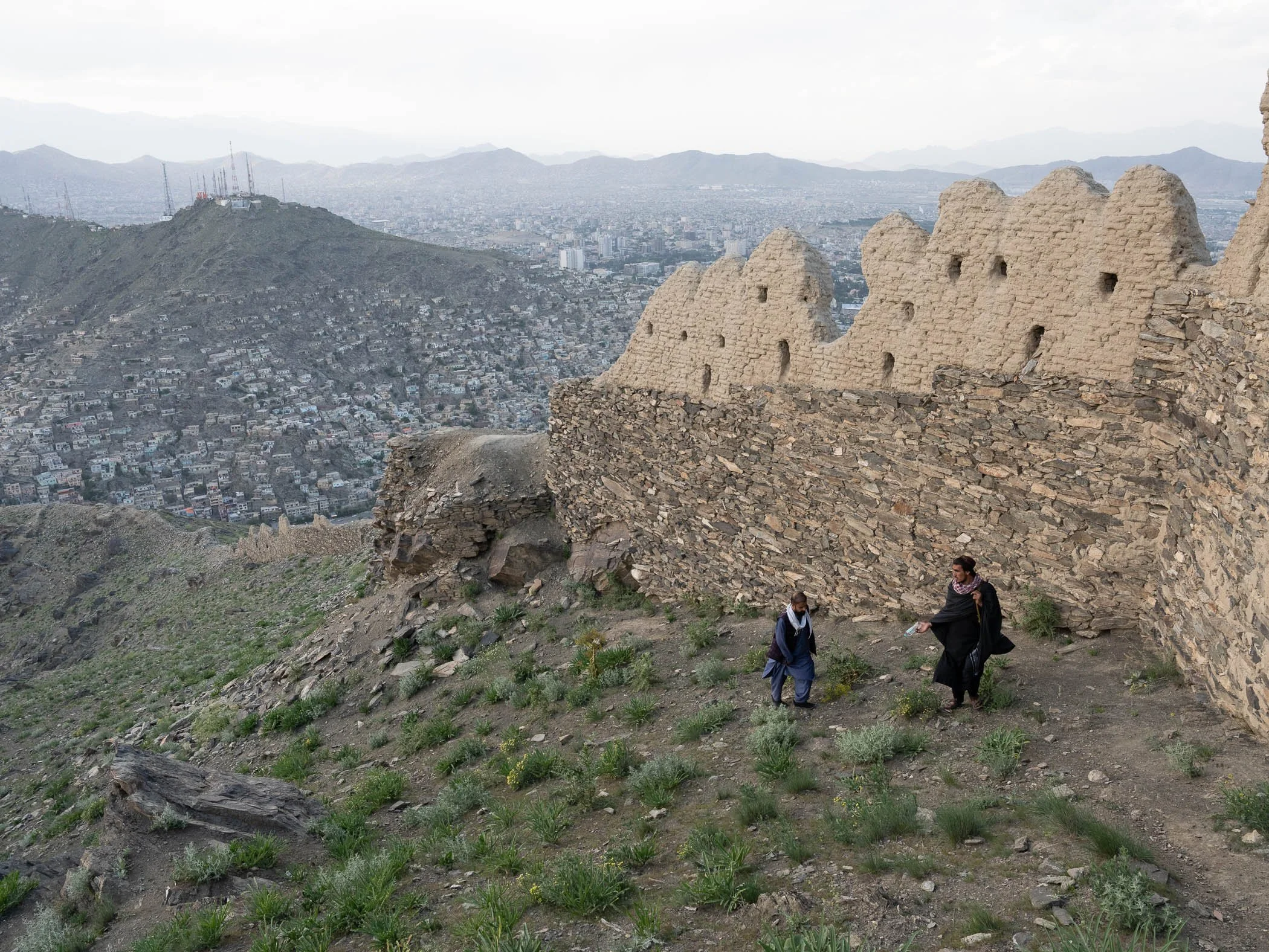
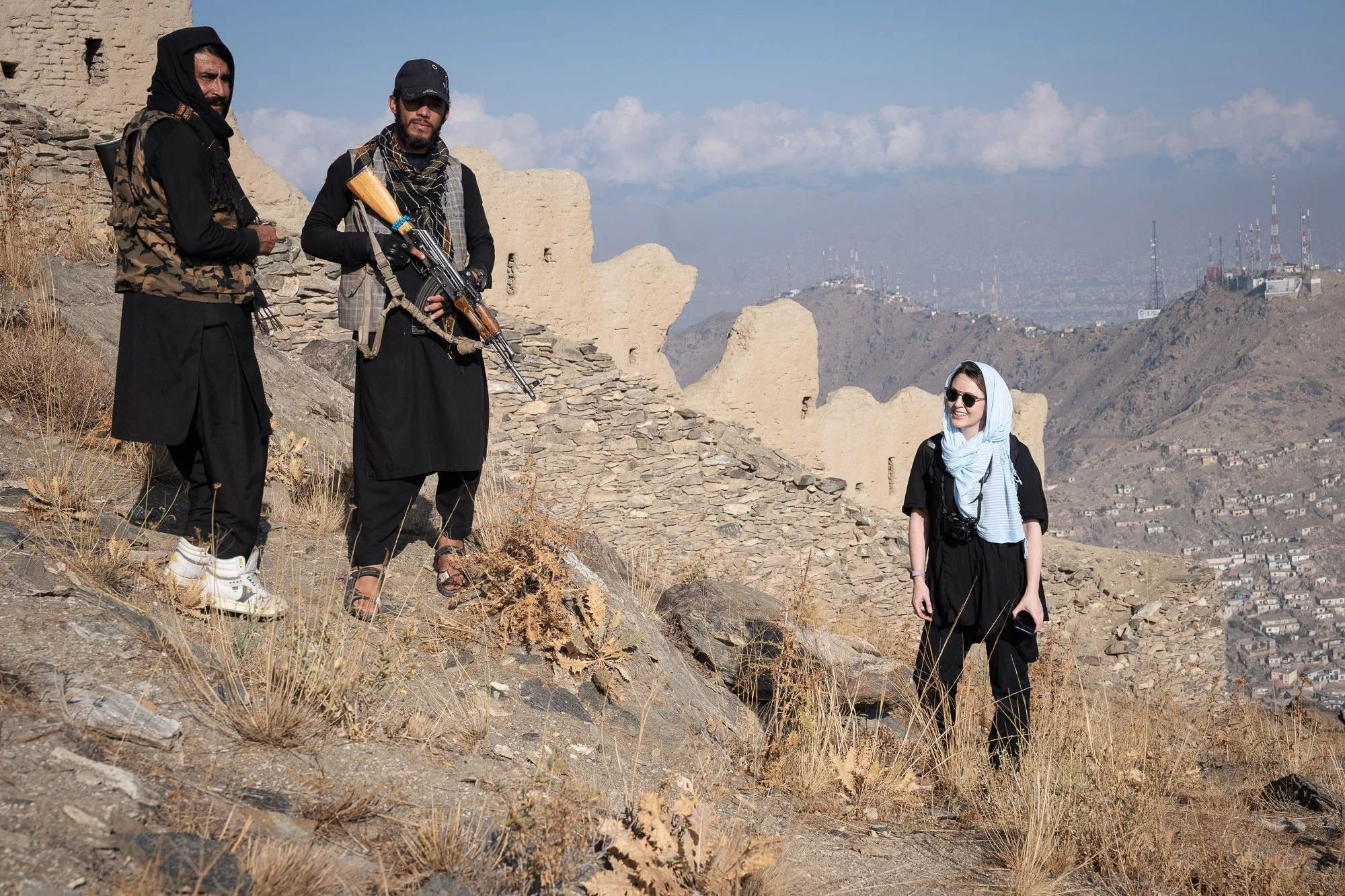
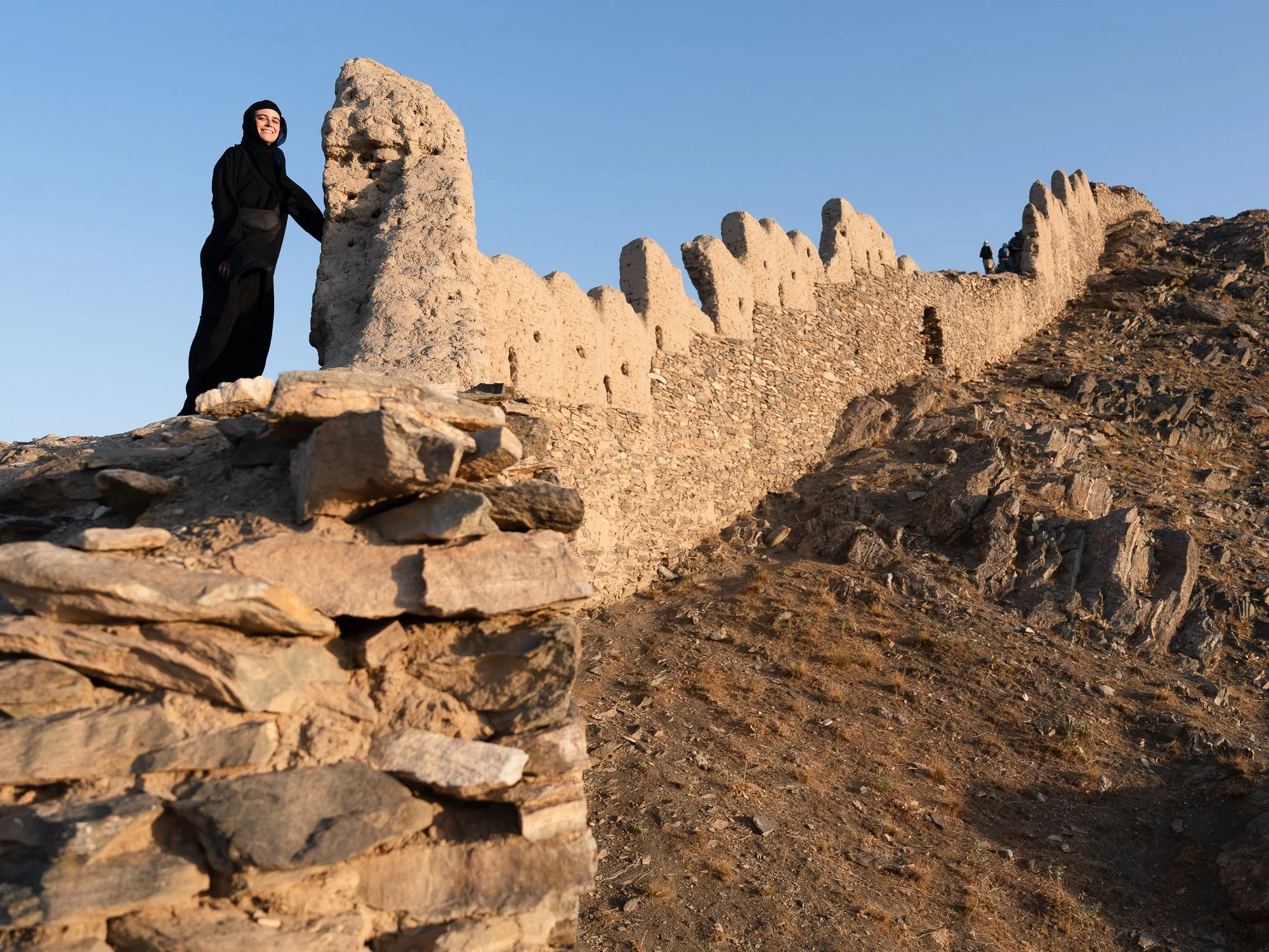
Another early start sees us setting out on Kabul’s famous “wall walk,” a hike that follows the line of an ancient defensive wall stretching across Sher Darwaza, or Lion’s Gate mountain. Parts of these crumbling ramparts date back as far as the 5th century AD, making this one of the most atmospheric walks in the capital. The route begins near the ruins of the Bala Hissar, the old royal fortress and the site where the British officer Alexander “Bukhara” Burnes was killed by a mob in 1841 during the First Anglo-Afghan War. From here, the wall snakes along the ridgelines, linking watchtowers and offering a tangible sense of Kabul’s long and turbulent history. This has been a centre piece of Safarāt’s Kabul offering - Joe has been doing the walk since 2011, and always feels there is something new to see or some change to notice on the journey.
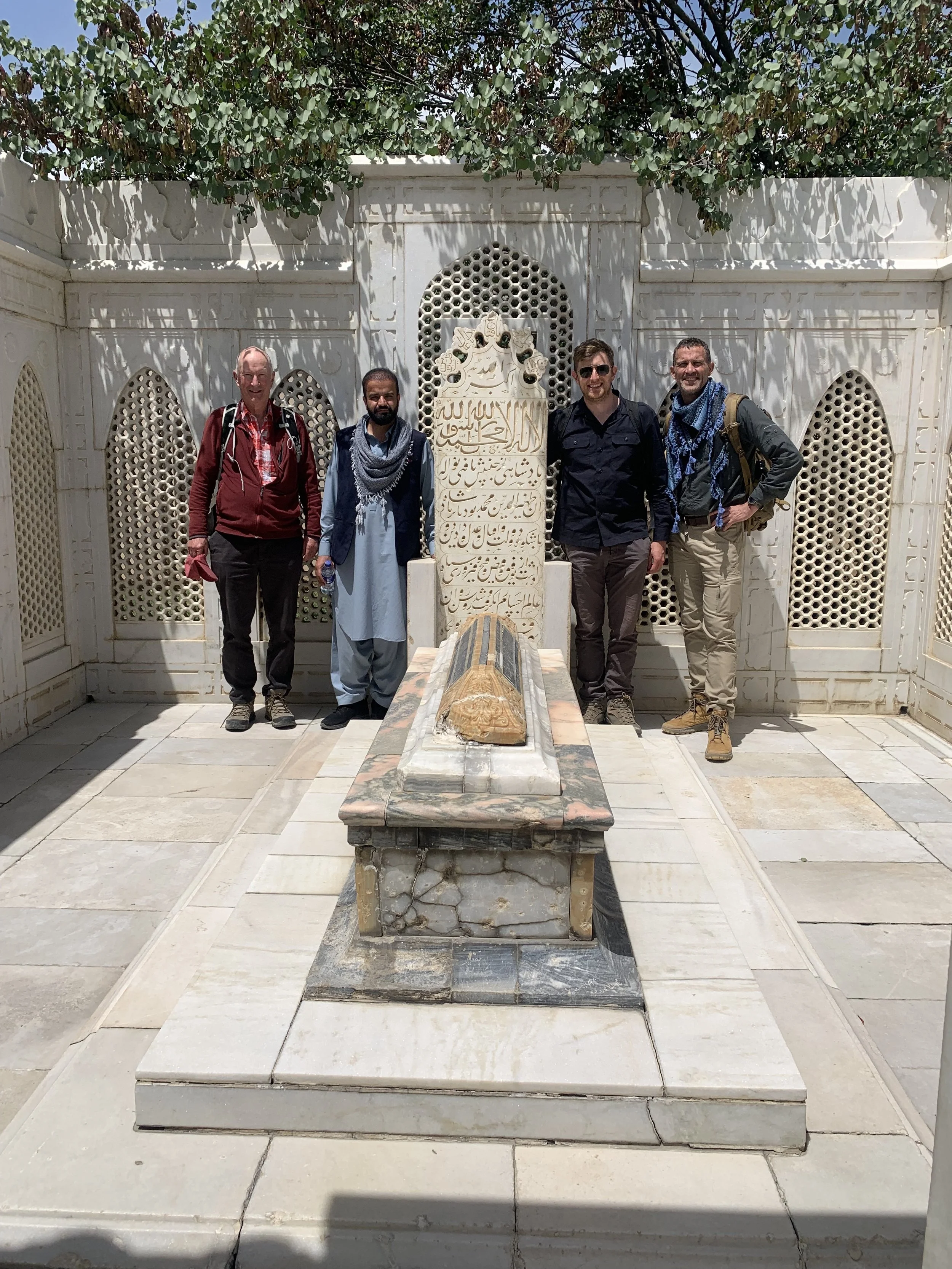
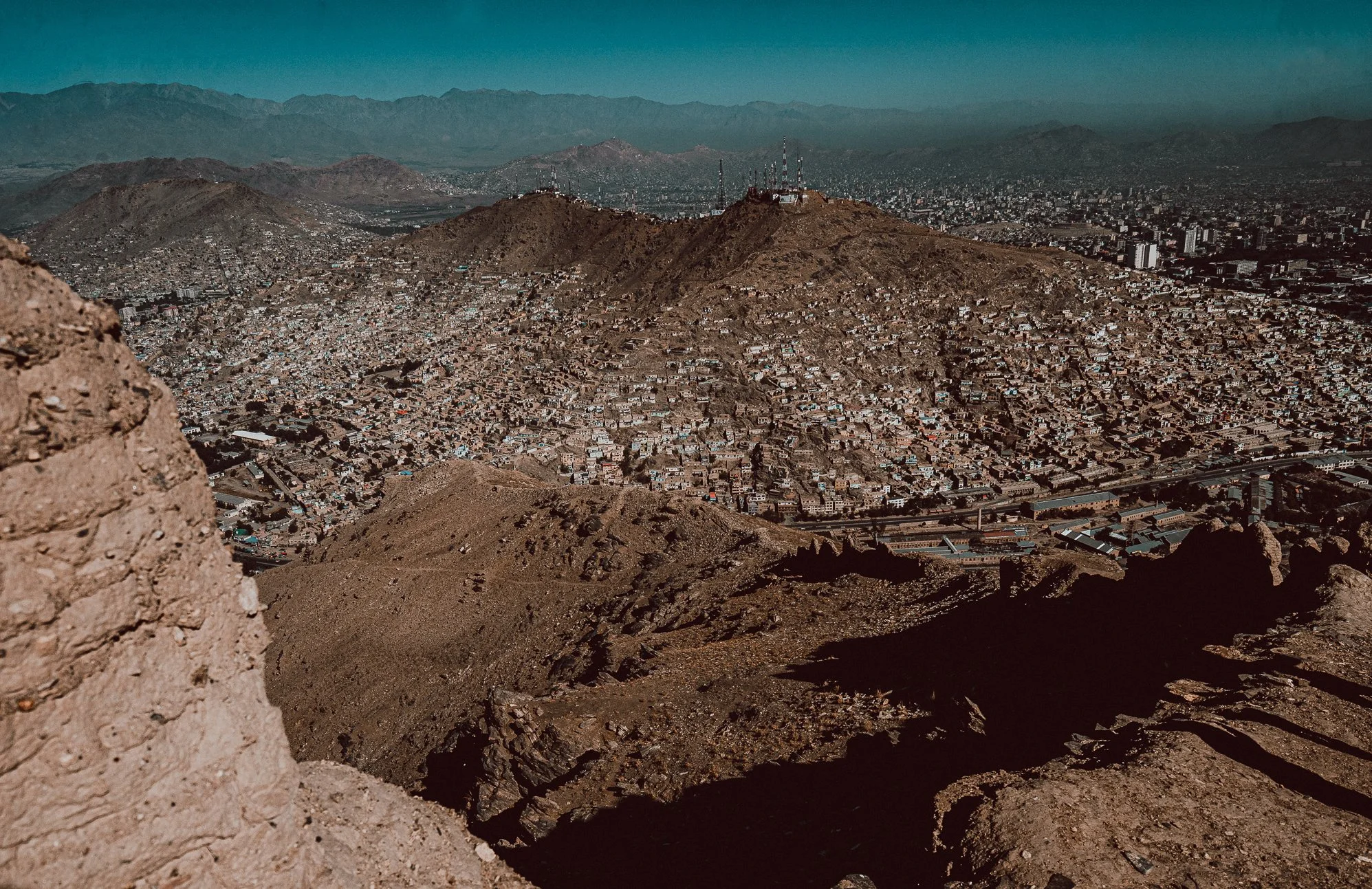
As we climb higher, the city falls away beneath us. Before long you are above the smog and noise, rewarded with sweeping, panoramic views across Kabul and the surrounding mountains. The walk descends past the historic “noon cannon,” once used to mark the time for the city, before continuing down towards the Babur Gardens. These lush, terraced gardens are home to the mausoleum of Babur, the 16th-century founder of the Mughal Empire, and remain one of the most peaceful corners of the capital. It’s an ideal place to sit quietly, drink green tea, and recover after the morning’s hike.
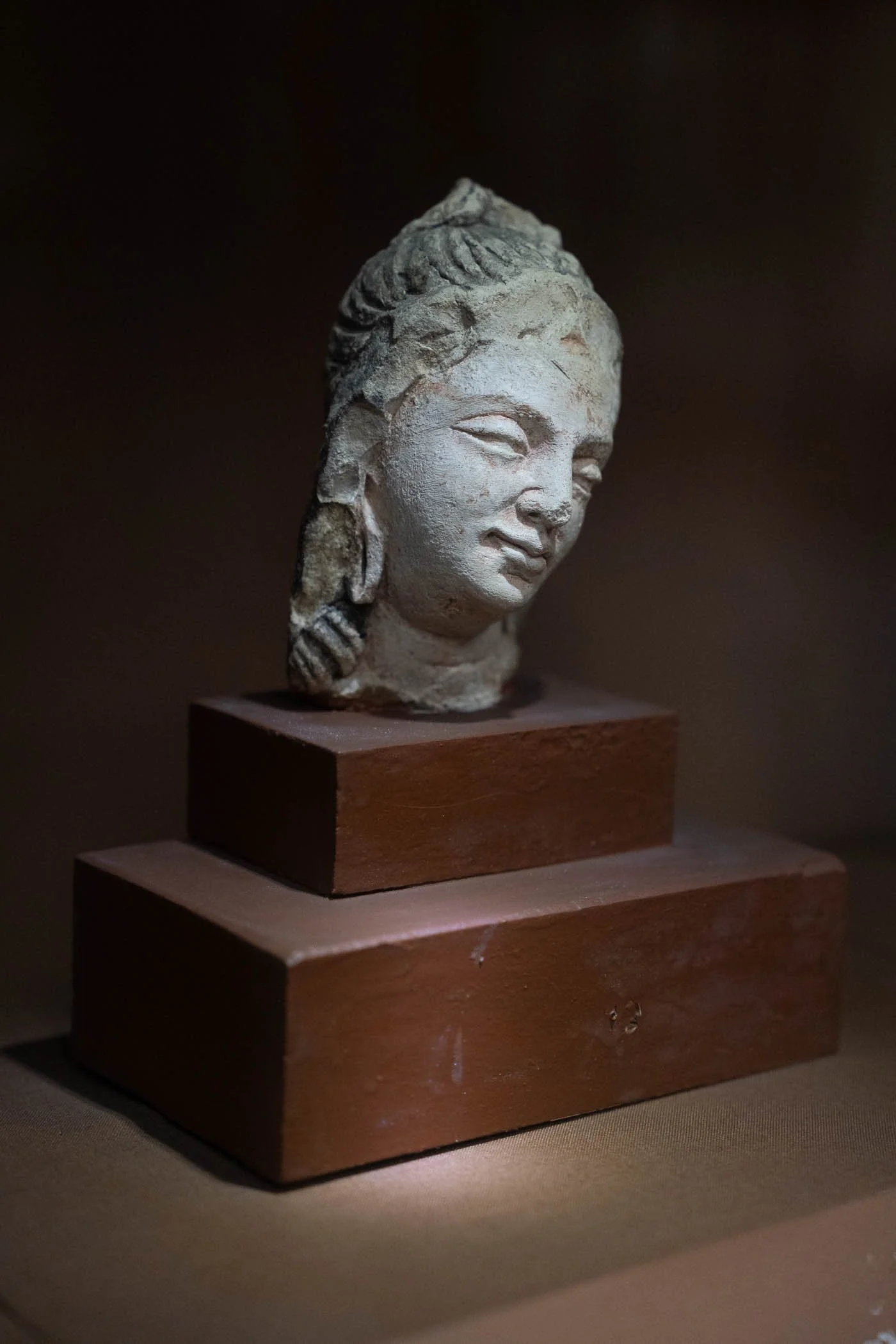
The afternoon is spent at the Kabul City Museum, where artefacts spanning Afghanistan’s prehistory, Buddhist past, and Islamic empires help place everything you have seen into a wider historical context. As the day draws to a close, we head to Swimming Pool Hill to watch the sun set over the city.
Day #008
Your final day in Afghanistan begins with a gentle morning walk to the British Cemetery, known locally as the “graveyard of foreigners.” Dozens of non-Afghans who lived and died in Kabul over the past century are buried here, making it a quietly powerful place for reflection. Although no foreign soldiers from the last twenty years are interred in the cemetery, memorial plaques honour the hundreds of servicemen and women from the UK, France, Canada, and other coalition countries who lost their lives here. Removed from the noise and pace of the city, the cemetery feels like a green oasis of calm. We will share breakfast with the keeper of the grounds, Aineullah, whose family has maintained the cemetery with extraordinary care, dedication, and pride for more than fifty years.
From here, we begin a walking tour through the historic heart of Kabul. Starting at the beautifully restored home of the Turquoise Mountain Foundation in Murad Khane, you’ll explore one of the city’s oldest neighbourhoods, where traditional craftsmanship and architecture are slowly being revived. The walk continues through the old bazaar, offering a glimpse into daily life as traders, artisans, and shoppers move through narrow streets that have changed little over generations.
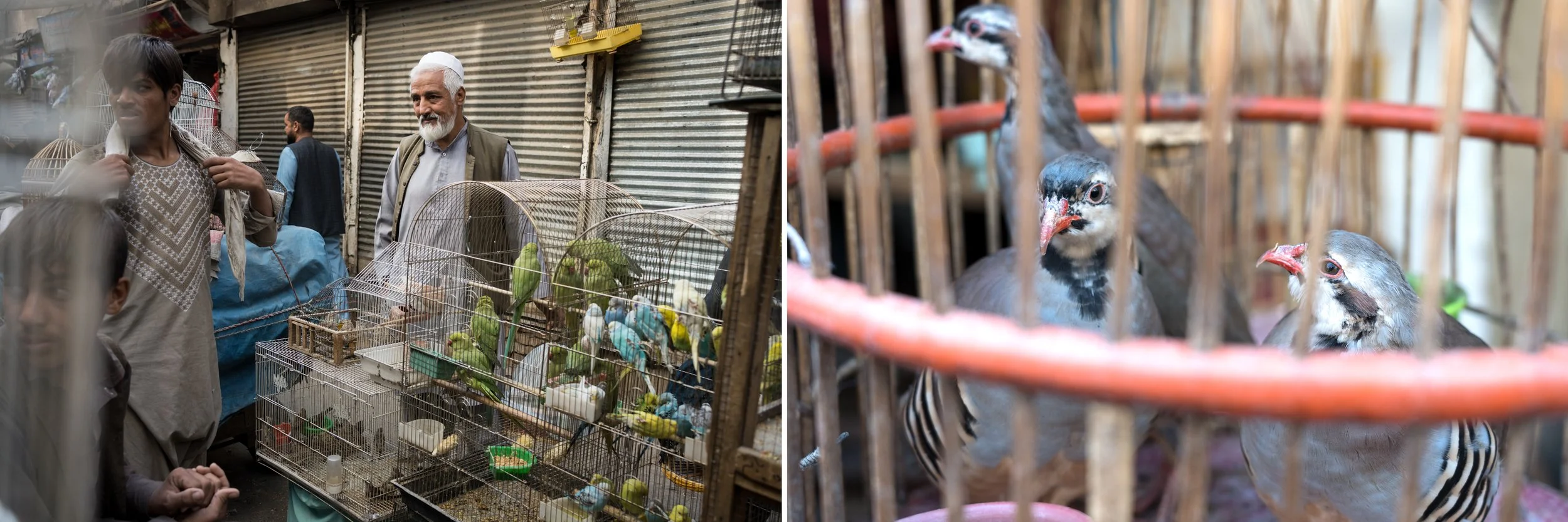
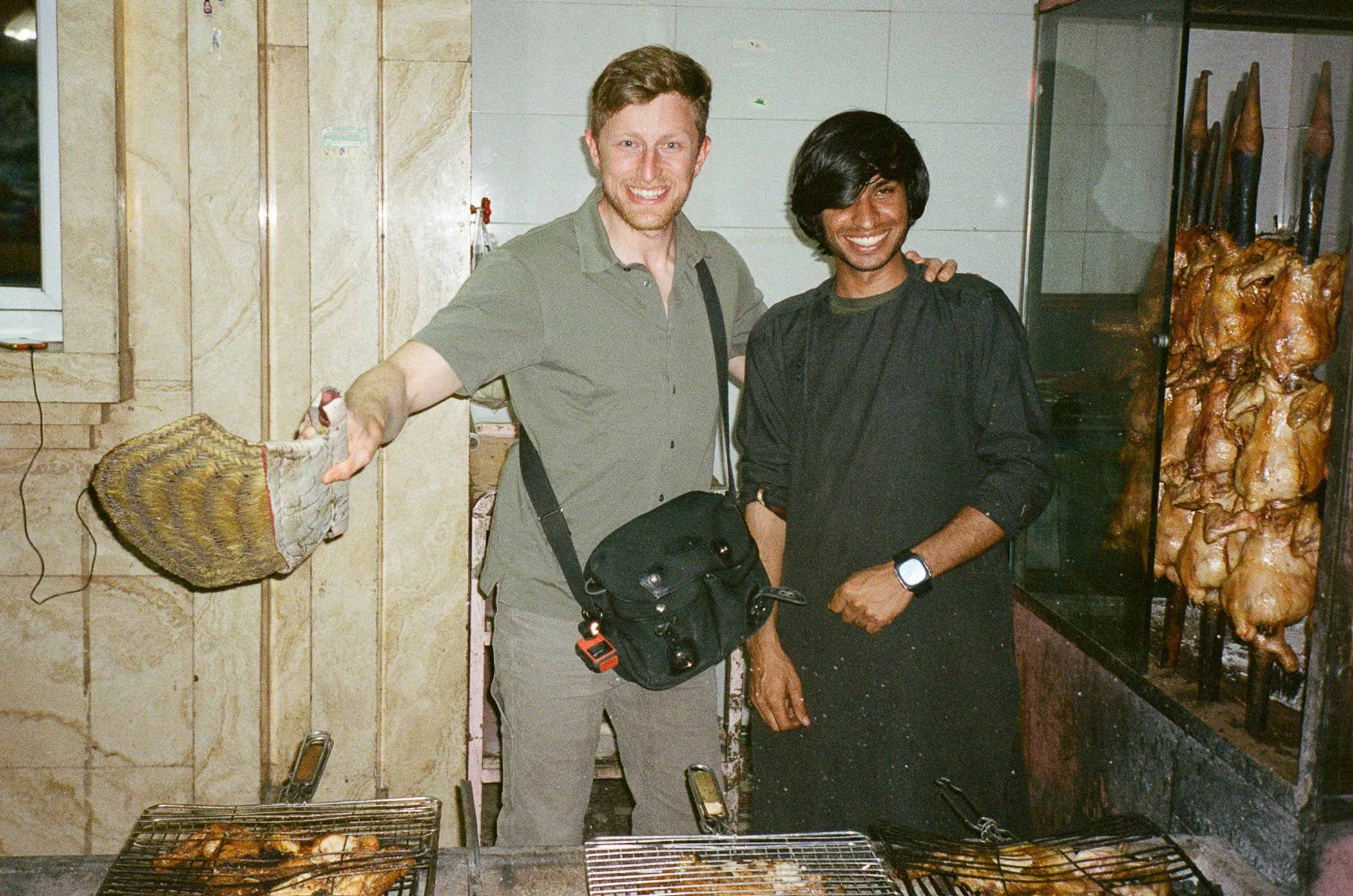
By midday, we arrive at Kabul’s famous Bird Market, a lively and distinctive corner of the city where songbirds, pigeons, and poultry are bought and sold, and where locals gather as much for conversation as for trade. In the mid-afternoon, the walk concludes on Chicken Street, once a key stop on the hippie trail of the 1960s and 70s. Today, its curio shops, carpet sellers, and souvenir stores remain a legacy of the thousands of Western travellers who once passed through Kabul on their way to India, bringing the journey to a fitting and reflective close.
-
![]()
Kabul city wall walk.
-
![]()
Vendor in the bird market.
-
![]()
Joe having dinner at one of the bustling restuarants in Shar-E-Naw
-
![]()
Playing hide and seek with street kids in the old city on Kabul.
-
![]()
Artefacts in the National Museum
-
![]()
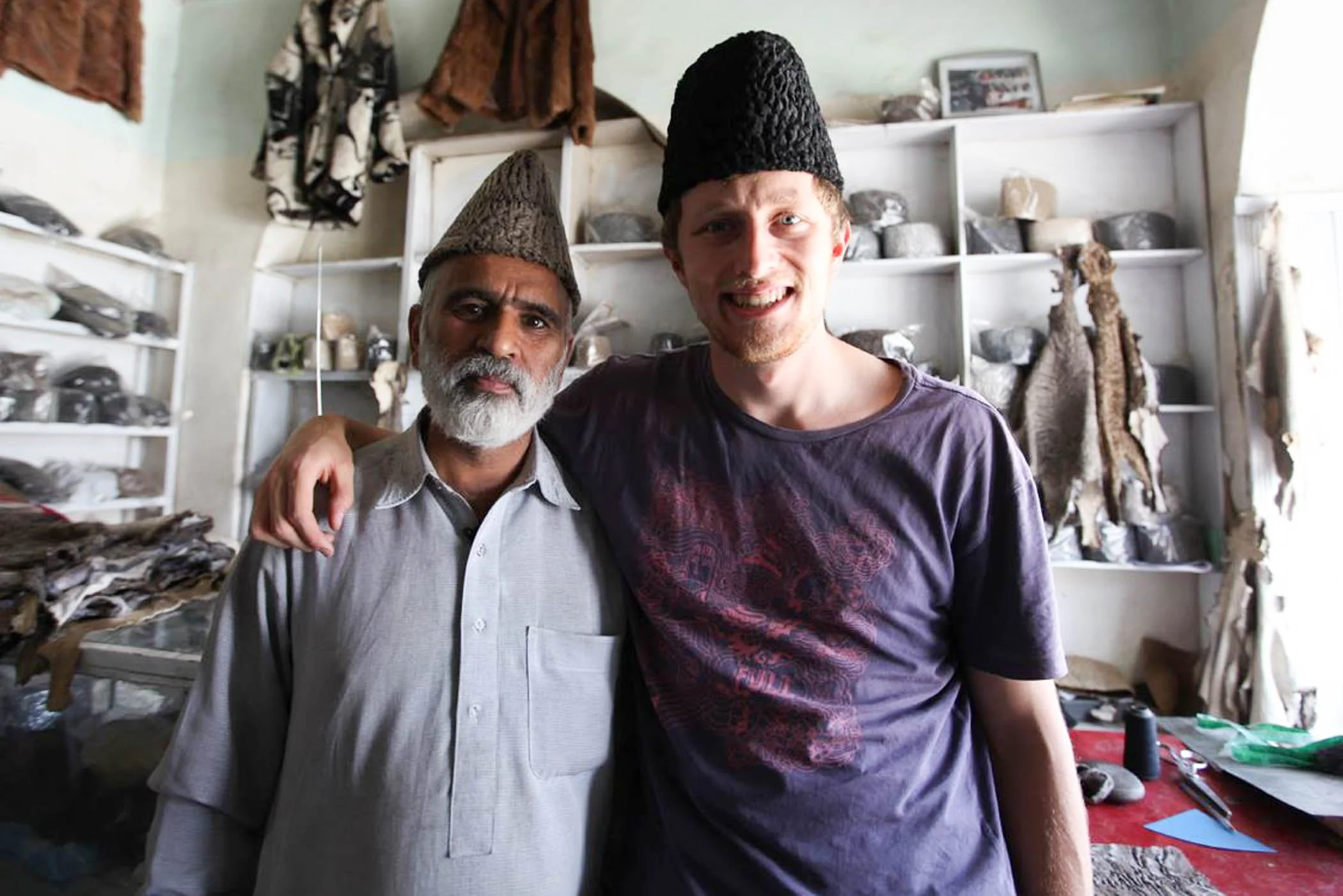
Joe buying a 'karakuli' hat in Kabul's main bazaar
-
![Partridges for sale in Kabul's bird market]()
Partridges for sale in Kabul's bird market
-
![]()
At Babur's mausoleum with friends.
-
![]()
Traveller Laura on the wall walk.
-
![]()
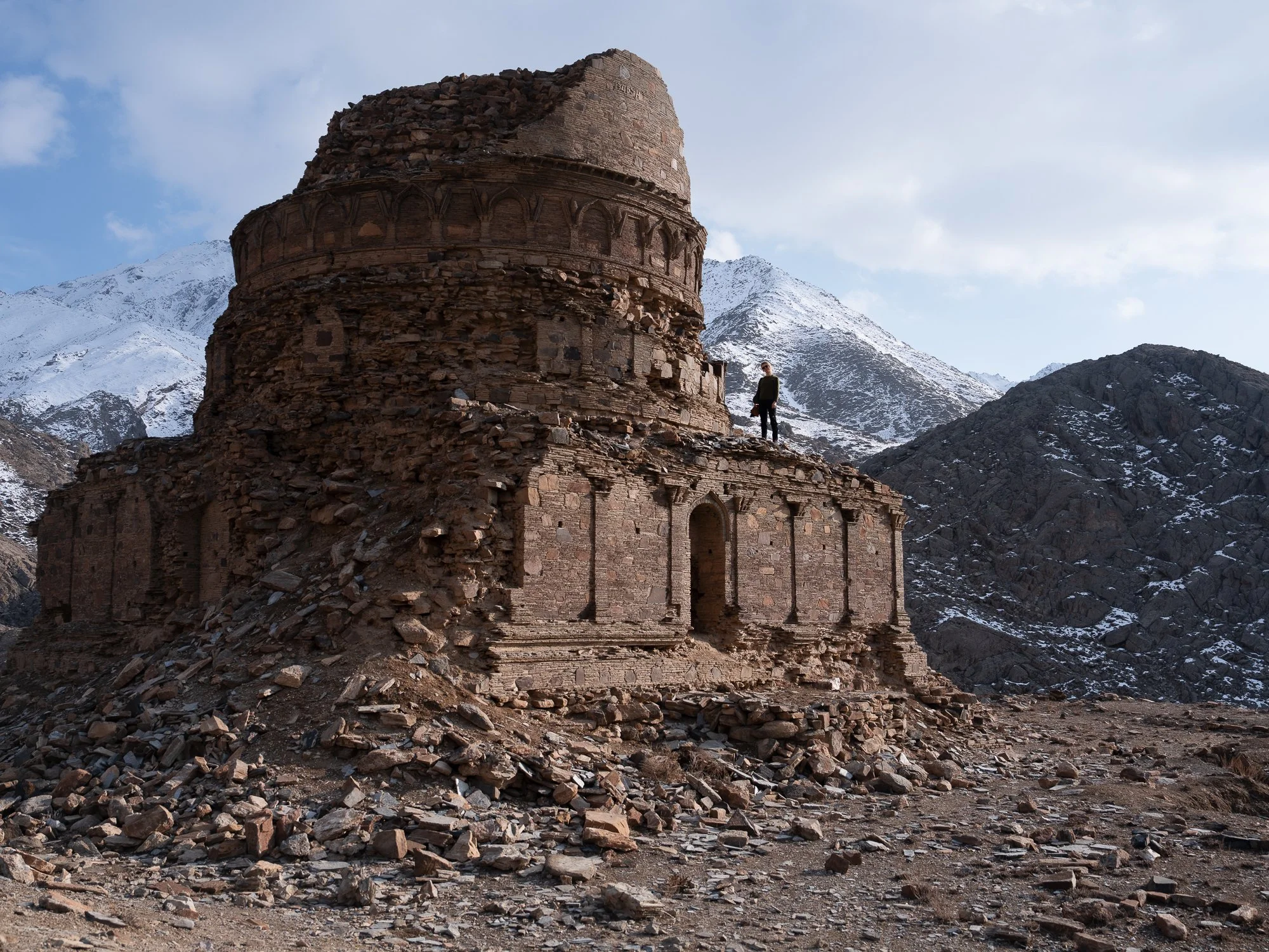
An option for private travellers is a visit to the Stupa at Gul Dara.
-
![]()
Another view of the wall walk.

Day #009
Departure from Kabul International Airport - most international flights leave the city at mid-morning. If your flight leaves later in the afternoon, you may have the opportunity
Your Guide
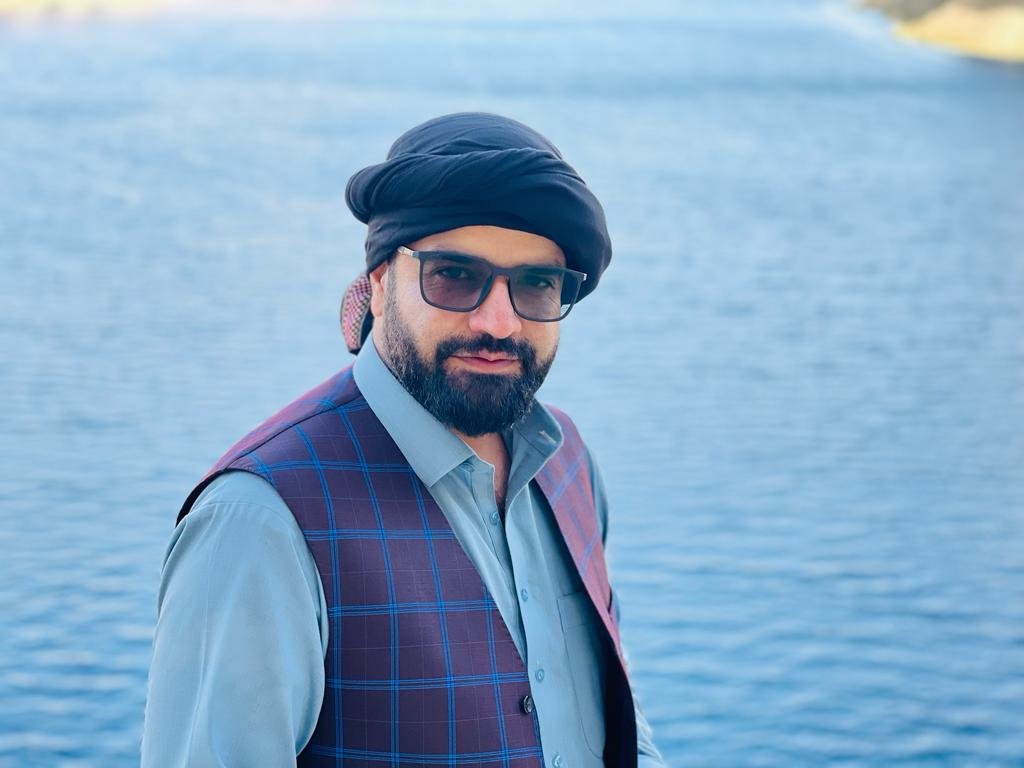
Qudratullah Noory
Safarāt was founded by British photojournalist Joe Sheffer to open a window into his professional world. We understand that in choosing to join Safarāt on a journey, you are trusting us with your safety and security.
Most of our Afghan trips are now hosted and run by Qudratullah Noory. Noory is a former producer and ‘fixer’ with a wide range of experience working with international broadcasters including CNN and international NGO’s. He is a native of Kabul, whose family originate in Wardak.
Unlike some of our group tours, there is no international guide on this trip, but that doesn’t mean that the trip is any less safe, planned or risk assessed.
To better understand our experience, the way we operate, our safety and security plans and the realities of traveling in Afghanistan, we have written the following guides.
Accommodation and Transport
Since the growth of tourism in Afghanistan in 2023, which Safarāt Travel was among the first to pioneer, many companies now offer broadly similar routes, with limited scope to differentiate themselves. While this has created the impression of a tourism boom, the reality on the ground is more constrained. Accommodation options remain limited and are largely outside our control. The Taliban restrict which hotels are permitted to host foreign guests, and those holding the correct licences often rely on this protected status rather than on service or comfort. Before 2021, most Afghan hotels primarily catered to male merchants and business travellers, meaning creature comforts were rarely a priority.
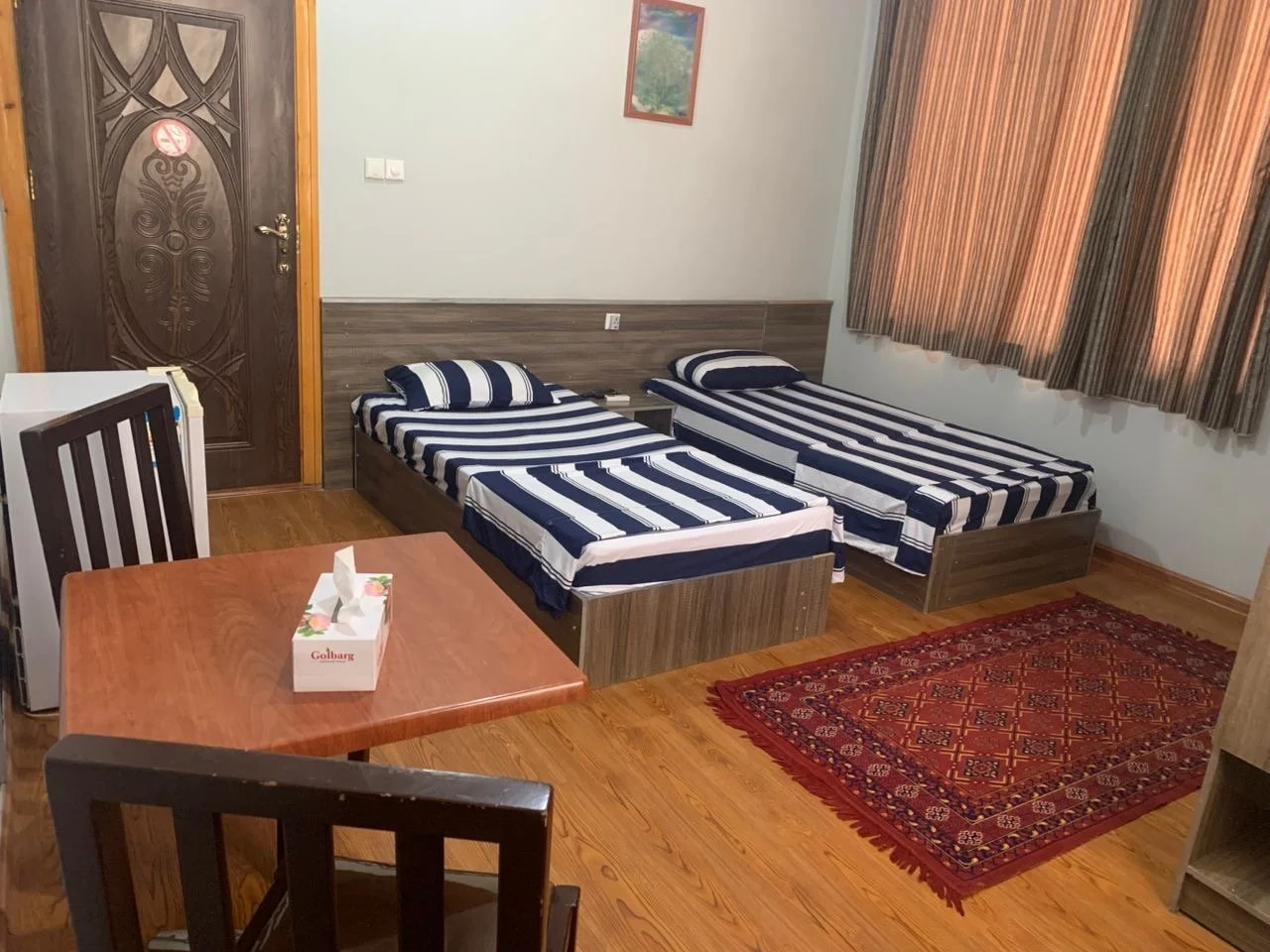
Against this backdrop, we take great care in selecting the hotels we use. Our focus is on properties that are well located for smooth arrivals and departures, staffed by people we trust, and run by proprietors with whom we have built strong working relationships. While accommodation standards are below those travellers may expect in the West, we do everything possible to ensure a comfortable stay. Small details matter to us, and in places like Bamiyan we always make sure your room is properly heated, with a warm Bukhari stove to keep you comfortable during cold nights.
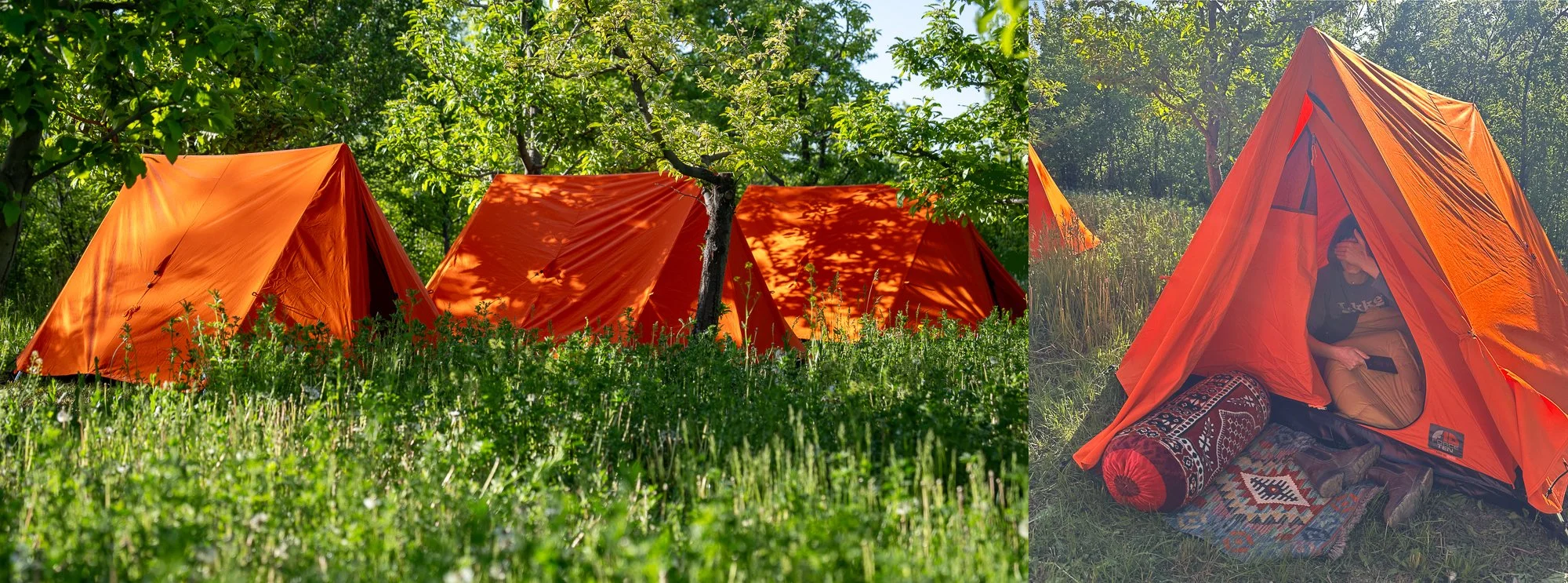
This journey also includes a homestay in Ghazni, which for many travellers becomes the highlight of their entire trip. Our long-standing relationship with the villagers of Khojar-Mari is one of the main reasons we return to this area, as it offers a rare and deeply personal insight into rural Afghan life. Staying here allows you to step away from the cities that dominate much of Afghan tourism due to licensing restrictions, and instead experience daily life in a village setting. It also ensures that your visit directly benefits the local community, rather than funnelling money solely towards large hotel owners or permit fees. During the summer months, we set up cotton canvas tents in a nearby garden for guests who prefer more privacy, as most Afghan homes have only one or two rooms suitable for visitors. More details about this project can be found on our blog.
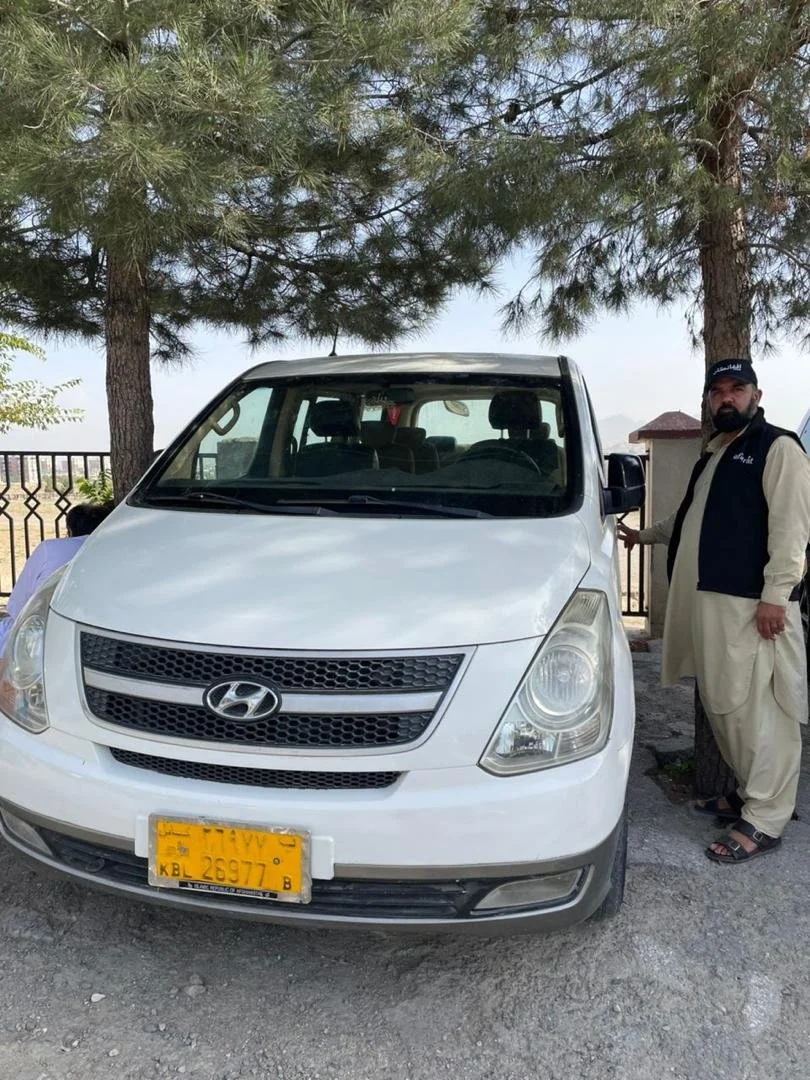
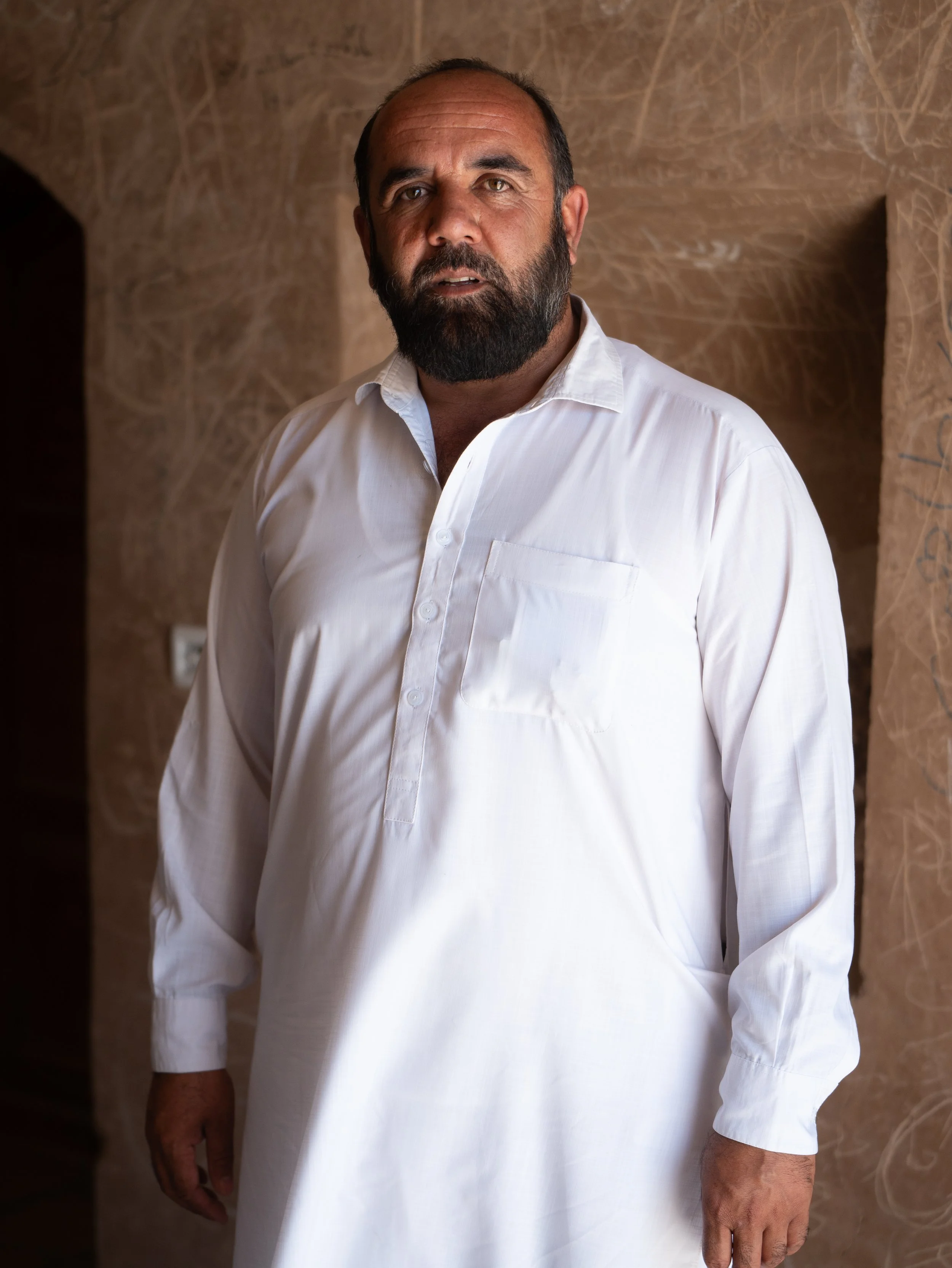
We are equally meticulous when it comes to transportation. The vehicles we use and the standards of our drivers are closely supervised by our head driver, Shamsuldeen Sarai, known affectionately by our guests as “the Lion.” Unlike many operators, we do not rely on local minibuses, which are often cramped and uncomfortable. Instead, you can expect to travel in well-maintained vehicles chosen for both comfort and safety. In winter, we may use four-wheel-drive Land Cruisers, while at other times we favour mid-2000s MPV-style vehicles equipped with heating, air conditioning, good tyres, and snow chains when needed. Regular servicing and strict safety standards are non-negotiable, and we never compromise when it comes to road safety.
-
![]()
Sham's shows off one of our standard vehicles.
-
![]()
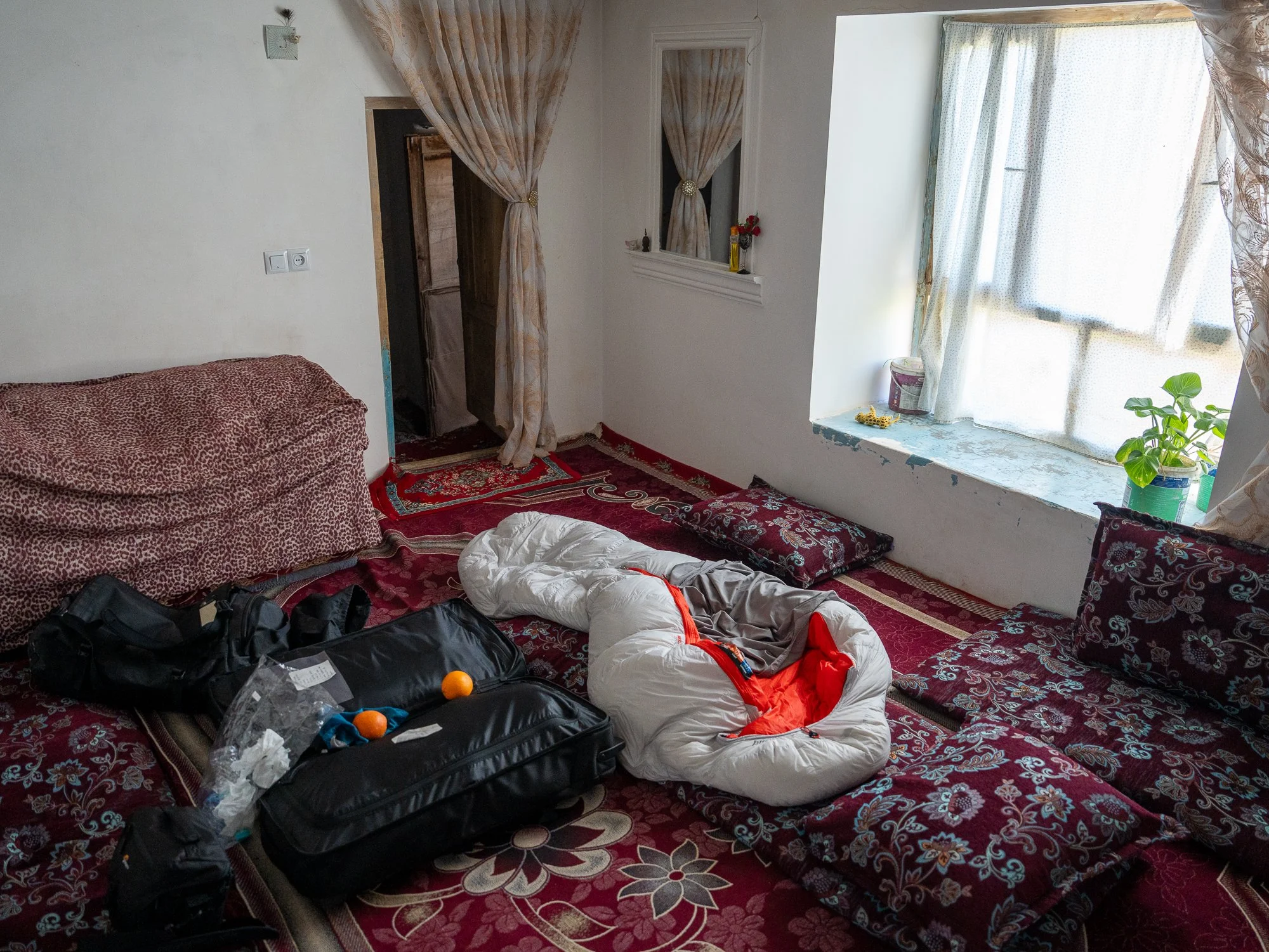
A typical hotel room at the Rahat hotel in Mazar-e-Sharif.
-
![]()
Typical homestay provision in Ghazni.
-
![]()
Our head driver Shamuldeen Sarai.
-
![]()
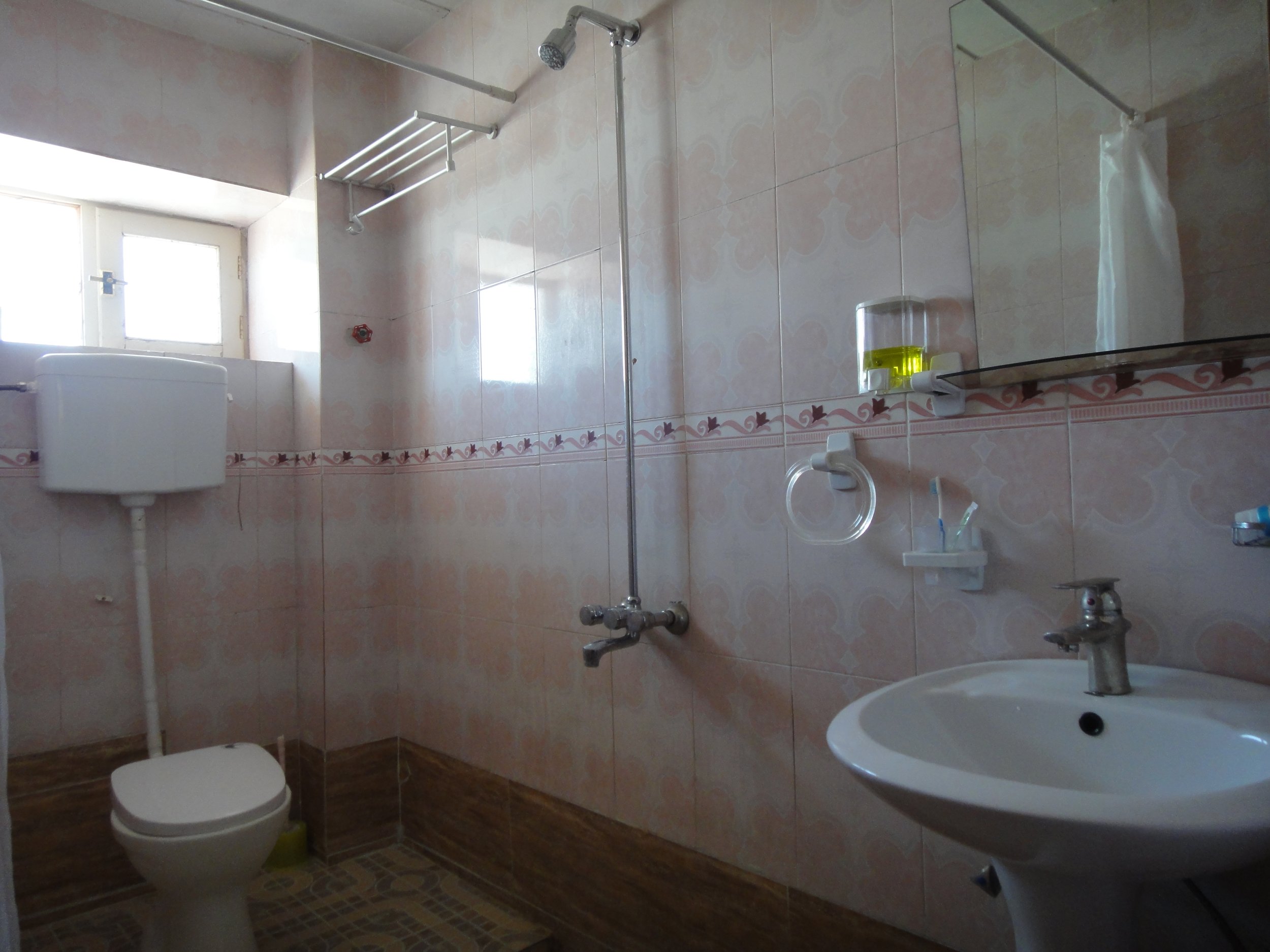
A typical bathroom in an an Afghan hotel.
-
![]()
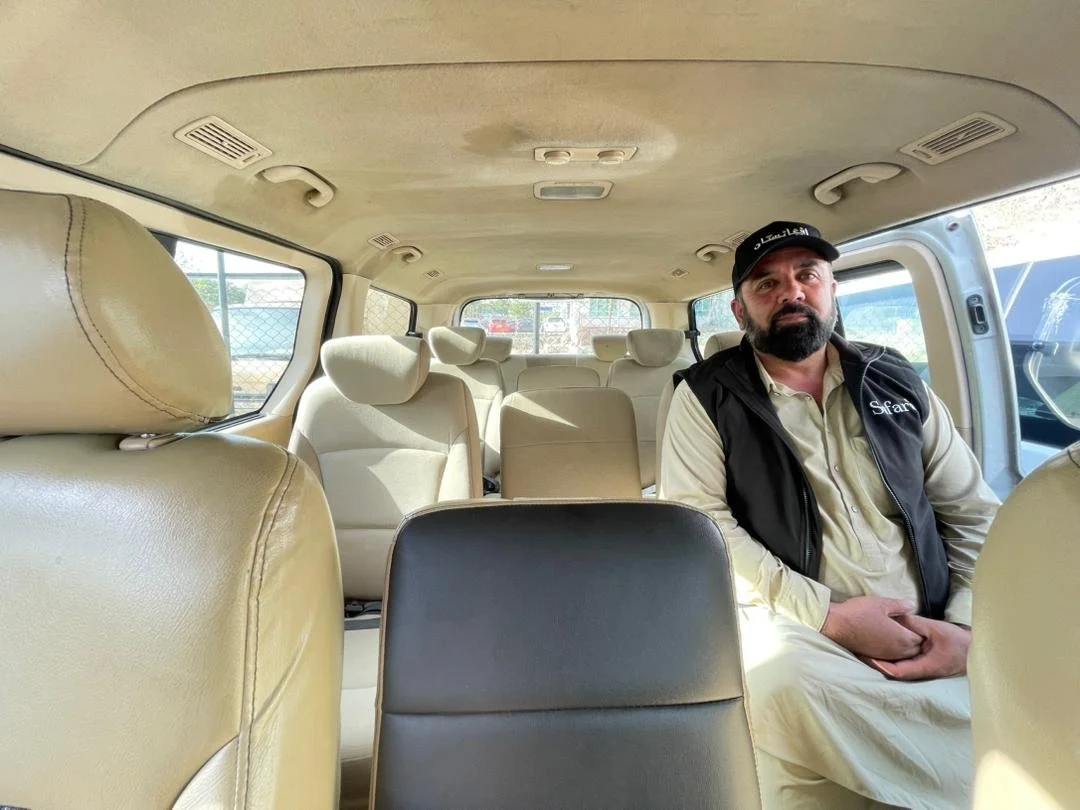
The interior of one of our vehicles, showing how you will travel.
-
![]()
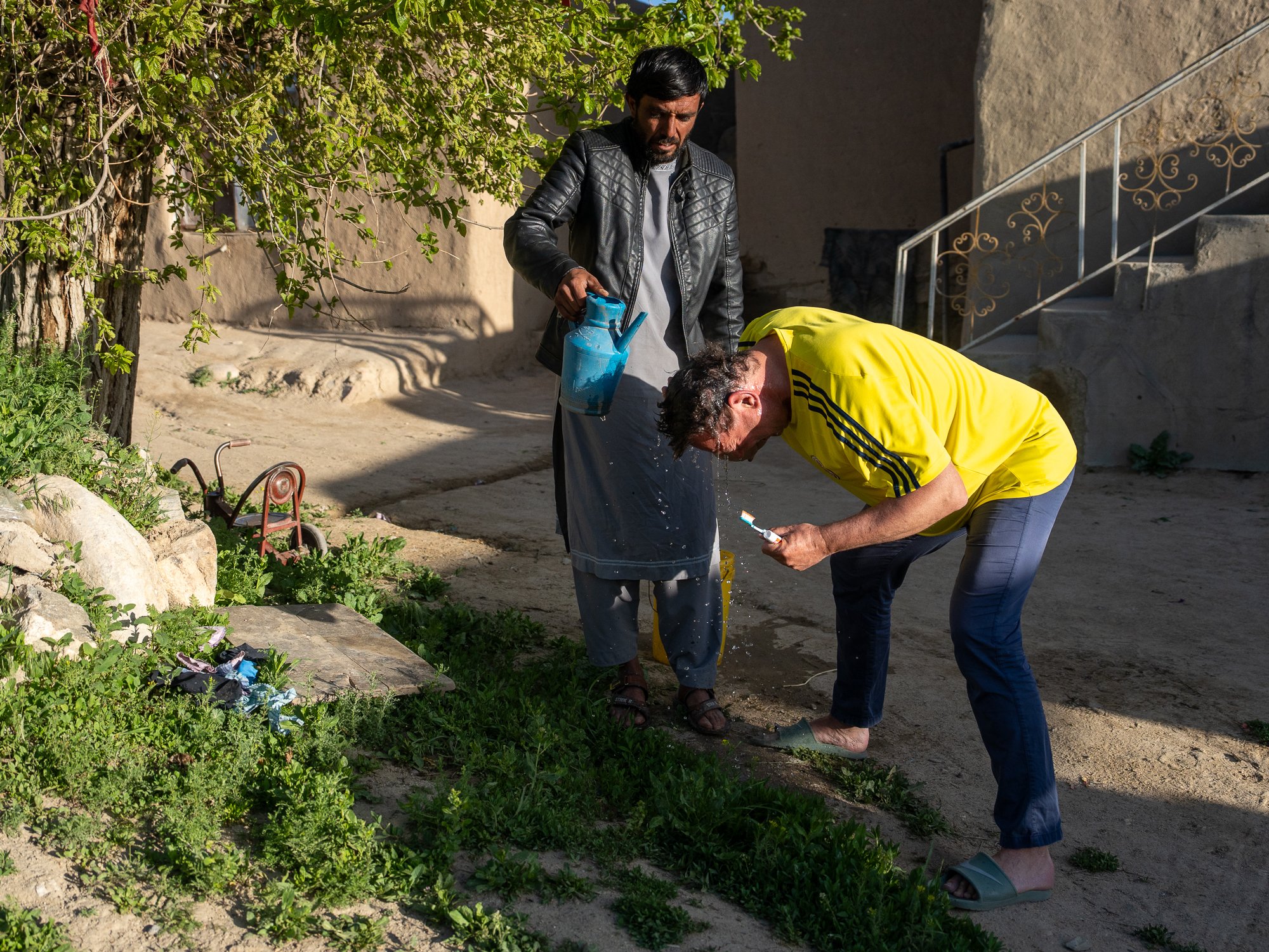
Homestay shower provided by our host.
-
![]()
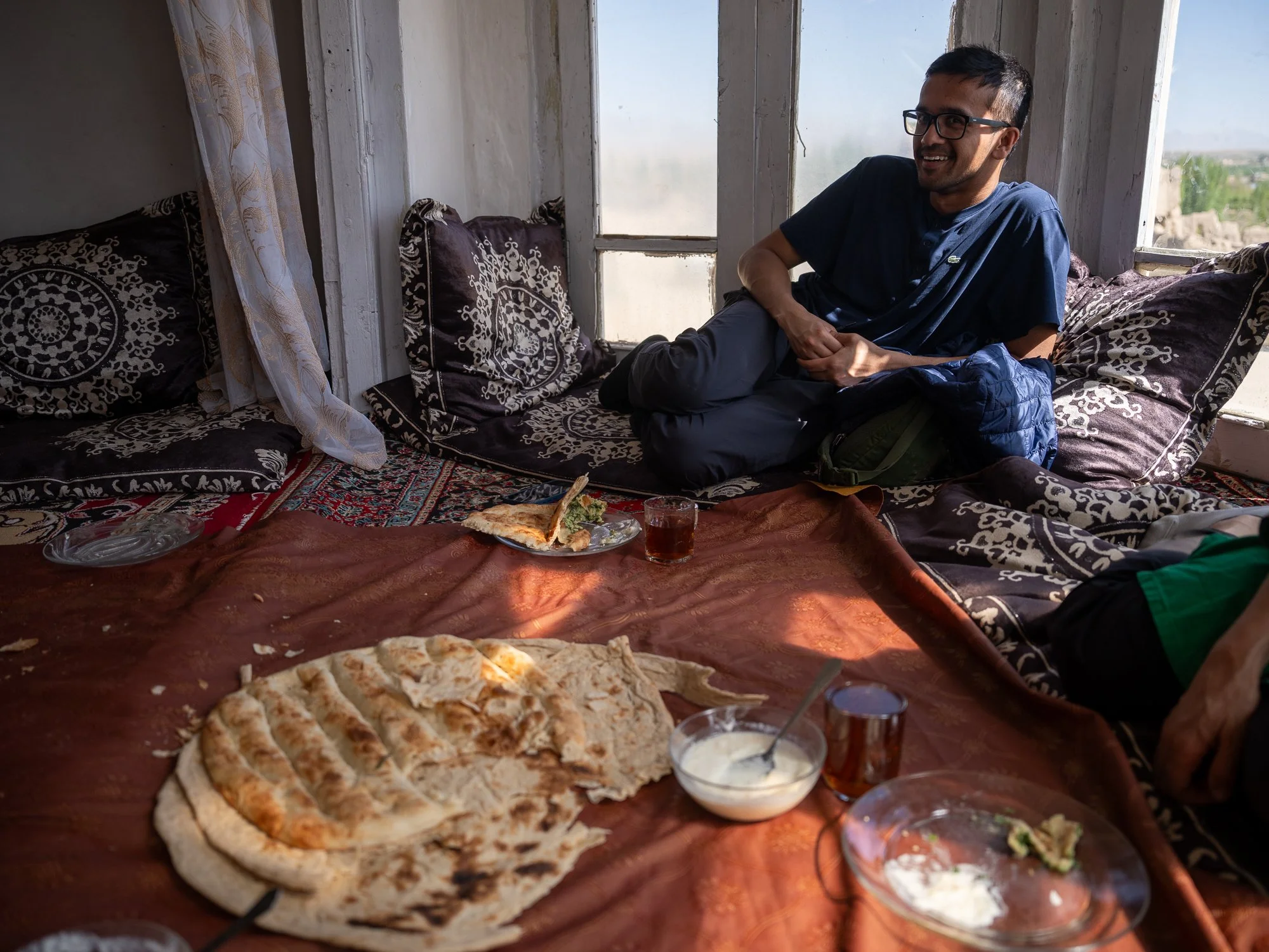
Homestay Breakfast
-
![]()
Fitting snow chains in the mountains
What’s Included:
- All accommodation: based on 2 guests sharing a room. Private rooms are available on group itineraries at an additional cost of $400 USD.
- Breakfast: is provided by our guesthouses. If we are required to make an early start you will be taken for Bolani and Sheer Chai in a local cafe.
- Private Transport: in your air conditioned 2 or 4 wheel drive based on the season.
- Guiding by Noory Qudratullah
-Local Travel Permits and Photography Permissions
- Visa support and invitation
What’s Not:
- Lunch: Noory will be happy to recommend restaurants to fit all budgets in Kabul and Bamiyan.
- Dinner is not included for single person tours
-Snacks and Water
- Visa Fee: Please see our FAQ below on how to get your visa.
- International and Internal flights
- Entrance fees: There is currently a charge to enter Kabul Museum, Babur Gardens and a shared ticket for the sites of Bamyan.
Book Now
Our trip across the North of Afghanistan is the perfect trip at any time of the year -starting in Mazar-E-Sharif and crossing the might Hindu Kush via the Soviet Salang pass into the mountains of Bamiyan, through to Ghanzi. and back to Kabul
For more information and detailed itinerary of this trip please see: www.safarat.co/thenorth
This trip is available as both a private and group itinerary for 8 nights.
- Private Travellers: have the option of extending their stay in the summer period, visiting the lush grasslands around Kunduz. Please contact us for availability.
-Group Travellers: Saturday 6th June - 14th June 2026
Journey #007: The North
-
The price shown for a private tour is based on one solo traveller. If you’re travelling as a group of 2–4 people, please get in touch for a tailored quote. There will be a modest increase to cover permits, entry tickets, and other logistics, but the cost will not simply be a multiple of the listed solo price.
Group Tours
Our group tours are limited to a maximum of 7 travellers. Currently, we are offering one group departure in June 2026. We’re unable to run winter group tours due to low numbers, but if you’d like to travel in winter and prefer not to go solo, let us know—we’ll do our best to match you with another independent traveller.
-
The trip is available year round and although the mountains of Bamiyan are best visited in Summer, there is nothing more magical than seeing the Buddhas covered in snow and Kabul also has it’s own magic in the winter time (although activities like the wall walk may be difficult when it’s very wet or freezing!)
If travelling in winter, we recommend arriving on a Thursday to maximise your chances of seeing a buzkashi match on Friday. You may also wish to add an extra day to allow a more relaxed pace when visiting the northern sites. Please note that buzkashi matches are part of a national league, and while we plan around them, sightings can never be guaranteed.
If Noory is unavailable on your requested dates, it may be possible to travel with one of Safarāt’s other trusted guides and drivers, but he will always be on our group itineraries.
To book your trip please get in touch here or if you can’t wait to chat, then send us a whatsapp on +447458611911
-
It’s a legal requirement that all of our guests travel with at least basic medical and insurance and we appreciate that finding a suitable insurance policy can be difficult.
You should be very careful if you have an annual worldwide travel policy in place, to make sure that you are covered for travel to Afghanistan as it is excluded by most general travel insurers.
The cost of insurance varies hugely based on where you’re resident, where you’re from and the time of year along with a number of other variables.
As an example, residents of the UK are able to get suitable cover from High Risk Voyager for around $100USD for a 4 day trip to Afghanistan.
We highly recommend Global Rescue to other travellers as evacuation insurance, but please note you will need to buy insurance to cover your medical costs aswell.
Travellers on our trips are required to have a minimum of $300,000 USD cover for medical emergencies and an additional $300,000 USD cover for emergency evacuation.
For more information about out insurance requirements, please have a look at out our latest terms and conditions.
-
There are daily flights between Kabul and Tashkent, Islamabad, Doha, Jeddah, Riyadh/Jeddah, Abu Dhabi, Dubai, Istanbul and Ankara via two airlines - Ariana and Kamair.
We prefer flying with Kam Air who have a more modern fleet of planes, and are more reliable than Ariana.
If you are struggling to pay for your flights via Kamair’s website, we recommend that you use their app which seems to work better with foreign credit cards.
To book a flight on Ariana please use their website. Their flights do not show up on google flights etc.
Please wait until you have been confirmed on your tour to book your internal flights to Mazar-E-Sharif particularly if you are on a group itinerary to make sure that everyone is travelling on the same flight. -
No specialist equipment is required for this trip, but you’ll be passing through passes of over 2000m in the mountains of Bamiyan and many of our travellers have been surprised how cold the province can be even in the summer. Sturdy footwear is a must and some travellers prefer to bring trekking poles to explore the unmade and steep paths we’ll be walking through.
Both men and women are required to dress conservatively in Afghanistan. That means both men and women will need to wear long sleeve shirts and trousers.
Women will need to wear a headscarf from the point of arrival in Kabul airport. You can read more about travelling as a woman in Afghanistan here.
You will need to bring between $100-200USD for spending money, lunches, water, drinks etc. Please only crisp and fresh $100 bills to exchange for local currency in Afghanistan.
Smaller denominations, old issues or damaged notes will attract a poorer exchange rate. It is possible to exchange Euros in some places – the minimum denomination is 50, but dollars are highly preferred. There are a few ATMs in Kabul, but they are often out of order and Afghanistan is still a country where cash is king.
We strongly strongly recommend carrying a mastercard/visa credit card with you in case of a medical emergency that needs funding before your medical insurance kicks in.
There are lots of opportunities to buy nice crafts, souvenirs, carpets and textiles so leave some space in your bags.
Simcards are available to hire from Noory directly for $30 USD for the trip with unlimited data.
Please do not bring a drone with you to Kabul - it will be confiscated upon arrival and it will create a huge headache for us.
-
This is one of the most common questions we get asked from our potential travellers. There are two answers.
The Short Answer: No, it’s probably best that Noory or your guide stays with you when you’re out in the streets.
The Long Answer: The truth is that it’s probably best not to walk around Kabul on your own unless you speak a good smattering of Dari and have been to the country before. There is no specific threat to foreigners in Kabul, but miscommunication and misunderstandings are common and although more and more international tourists are visiting Afghanistan you will still stick out like a sore thumb. Getting round the city is complicated and trying to use publics transport is fairly baffling.
In Bamiyan the situation is a little bit different and there is probably more opportunity to get yourself lunch alone in the bazaar and have a chat with local people. Noory understands foreign tourists well, and understands that not everybody wants to be driven around and spoon fed information all the time - and will give you the space to explore places we consider safe on your own if you prefer to wonder and wander alone!
Alternatively Noory is also a distinguished raconteur and guide - he will be delighted to show you round his city and the most beautiful and interesting spots of Bamiyan shoulder to shoulder as fellow travellers.
-
For the latest information on how to get your visa please read this.
For travellers starting their journeys from the UAE we have a relationship with a visa agent in Abu Dhabi who can collect and process your visa application for approximately $200USD within 24-hours.
-
If you are on a private tour there is an opportunity to tailor the trip to your interests. For example if you aren’t interested in visiting Kabul museum, then you don’t have to go!
Please get in touch with us in advance if you have any specific interests or are looking to visit any specific places that are not listed.
-
Please find our full terms and conditions here.