
Journey #006: Afghanistan
The Afghan Silk Road


Our Afghan Silk Road trip is designed for travellers who are making a wider trip through Central Asia and onto Pakistan and India.
This trip can be arranged in both directions, both from Pakistan where you will be met at the Torkham border crossing or from the Shir Khan border crossing with Tajikistan. From November 2024 onwards you are also able to enter or exit into Uzbekistan via the Hairatan border. Hairatan
You will need to make sure you have visas in advance for onward travel in your passport before arriving in Afghanistan. This is a private trip, so you will not be expected to travel with a group.
Itinerary
We understand that our travellers need to know where they will be visiting on our journeys, and broadly our tours stick to the routes published on our maps and on our website. What we don’t tend to do is publish our exact itineraries online for several reasons.
Firstly, and most importantly, this gives your guiding team the chance to make last minute changes to the itinerary based on seasonal opportunities or based on their decades of personal connections and relationships.
The focus of Safarāt is on experiencing Afghanistan with Afghans, and that means spending as much time in the countryside and experiencing village life. While we guarantee you won’t miss out on the Buddha’s of Bamiyan or Qala-E-Bost if you are visiting Helmand, it does mean that we don’t visit the same places on every tour or use the same hotels and guesthouses on every trip.
This also gives the chance for our travellers to play a more active part in the trip, by becoming involved in the planning process. We recently had a traveller with an interest in an Achaemenid site on the Amu Daryu River and as a group were able to spend a day trying (…and succeeding) in finding the site.
We may choose to extend our stay in a town to take part in a festival or visit a village that we’ve been researching. We may choose to avoid a certain mountain pass if there is late seasonal snow or reverse the whole route to avoid a sandstorm. All our itineraries are designed with one day of float built into them, to account for mechanical problems, broken bridges, or bad weather.

Day #001
After arriving from Pakistan’s Torkham border you will be driven to Kabul.
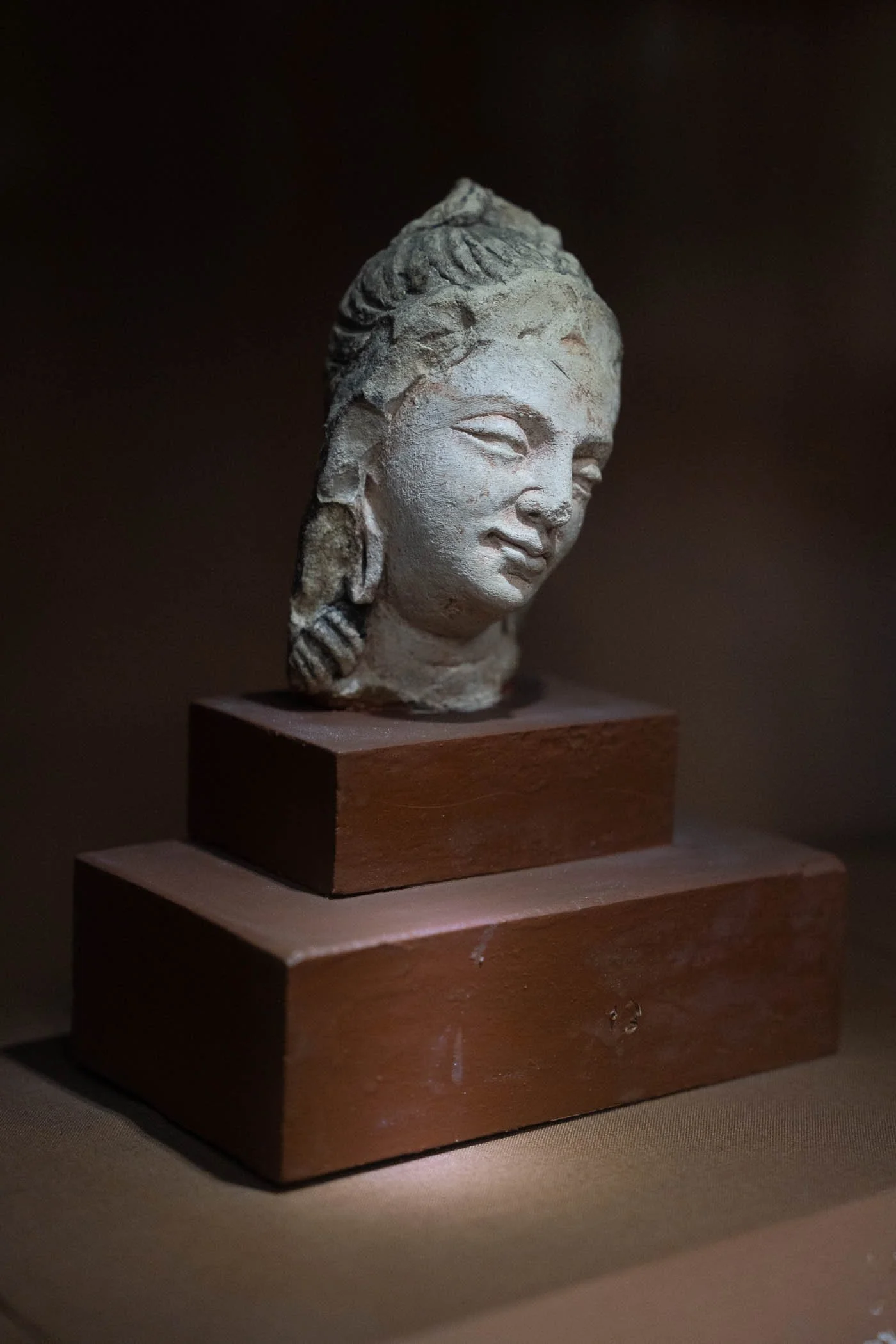
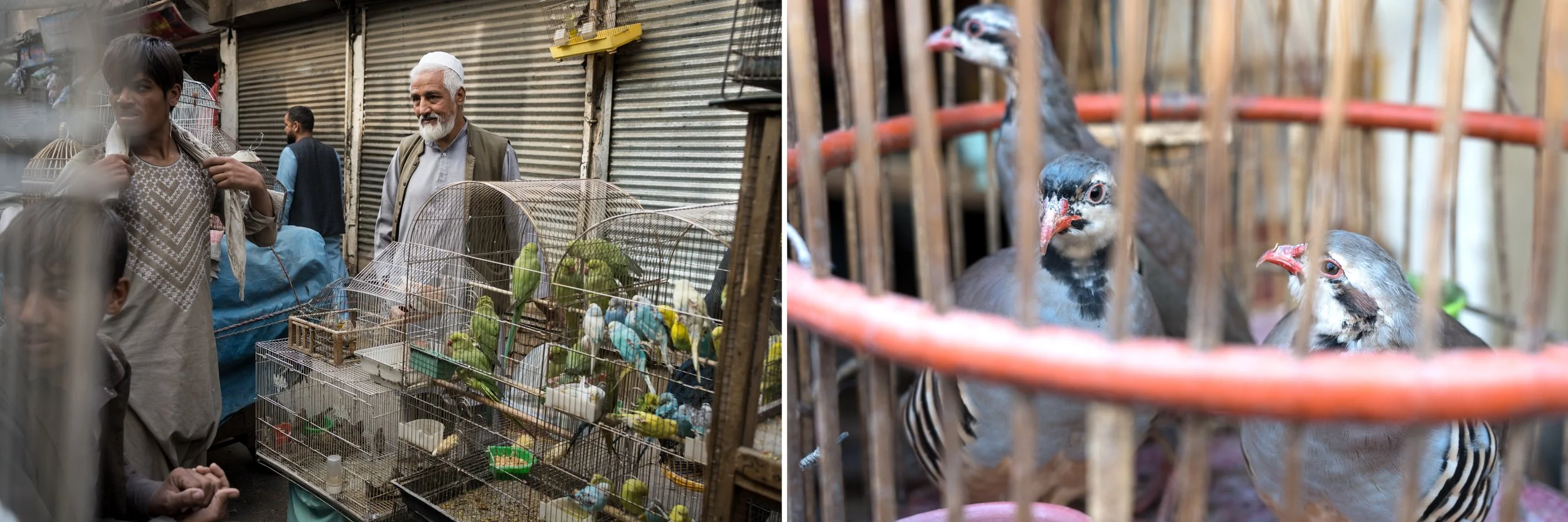
If you aren’t too tired from your travels, we will visit the impressive Buddhist collection at Kabul Museum or one of the city’s surrounding Buddhist stupas. We’ll then move onto the old bazaar of Kabul to take a wonder round the city’s bird market.
Many travellers will take the opportunity to have a couple of sets of local clothes tailored for the journey ahead of them, it’s both fun and practical and prices start from as little as $20USD. We’ll also get the chance to change local money and pick up any last-minute supplies for the road ahead.
Accommodation at 3* equivalent hotel in Kabul
-
![]()
Artefacts in the National Museum
-
![]()
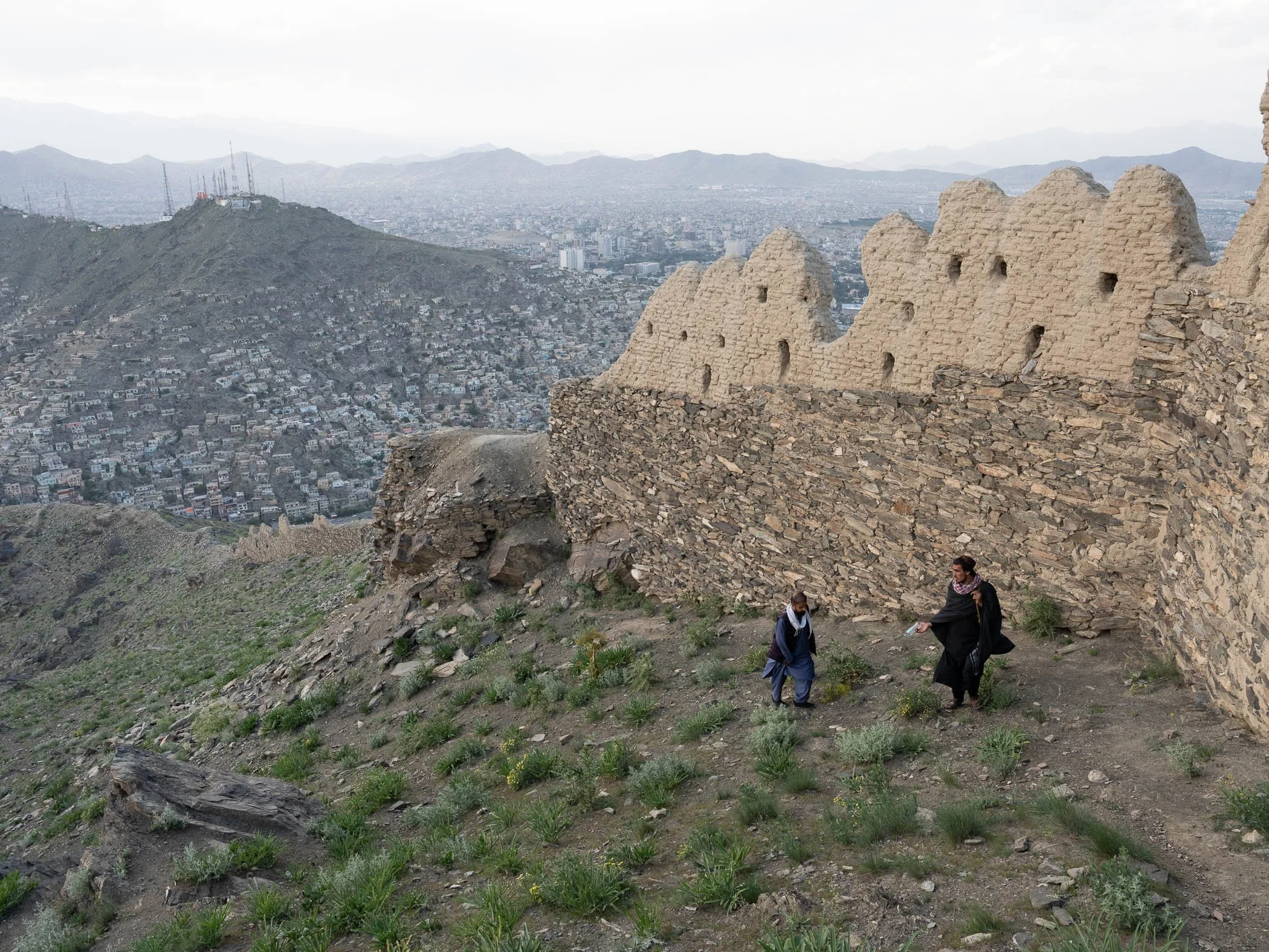
Kabul city wall walk.
-
![]()
Vendor in the bird market.
-
![]()
Kabul city view.
-
![]()
Joe having dinner at one of the bustling restuarants in Shar-E-Naw
-
![]()
Playing hide and seek with street kids in the old city on Kabul.
-
![]()
Joe buying a 'karakuli' hat in Kabul's main bazaar
-
![Partridges for sale in Kabul's bird market]()
Partridges for sale in Kabul's bird market
-
![]()
At Babur's mausoleum with friends.
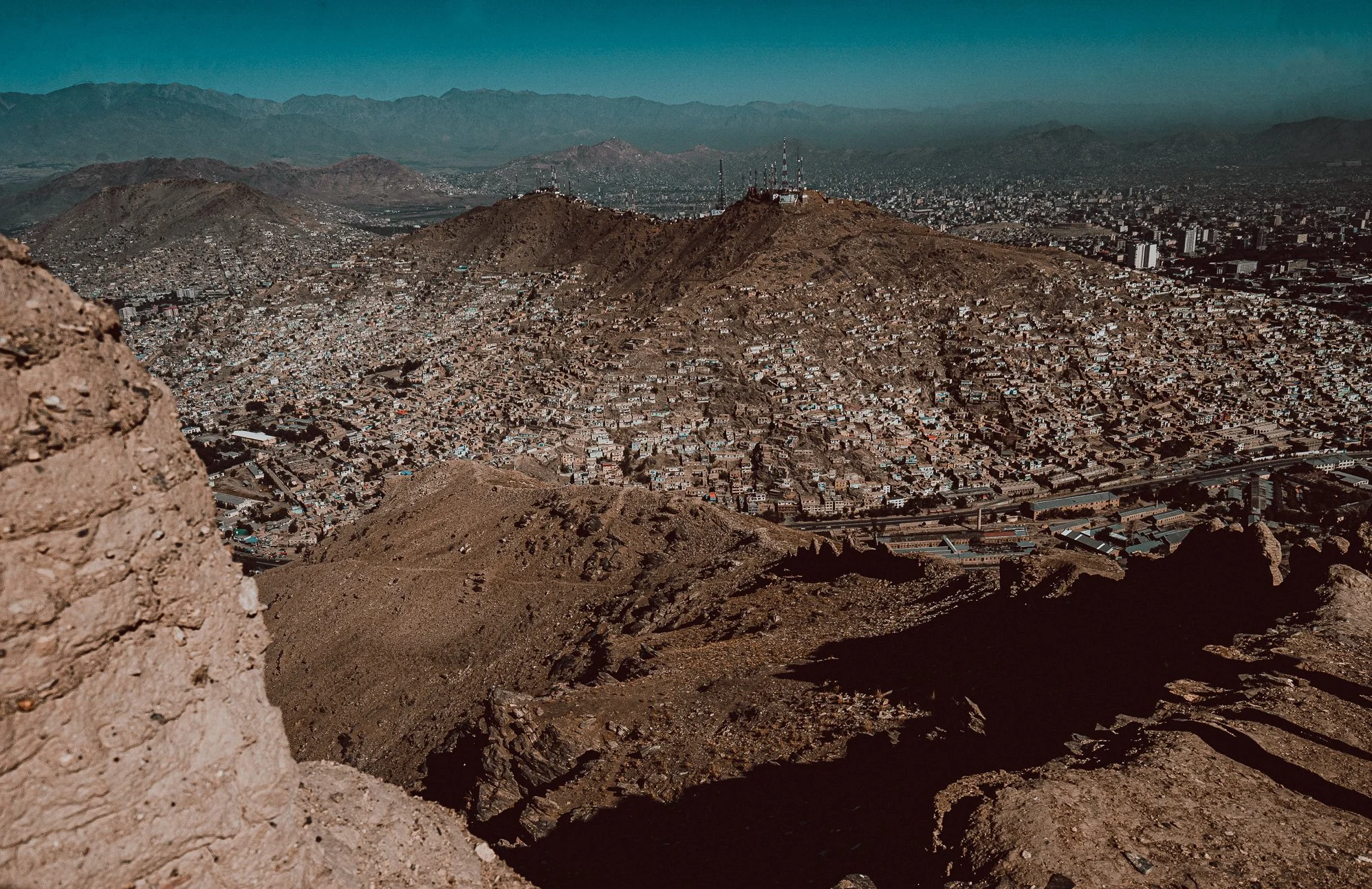
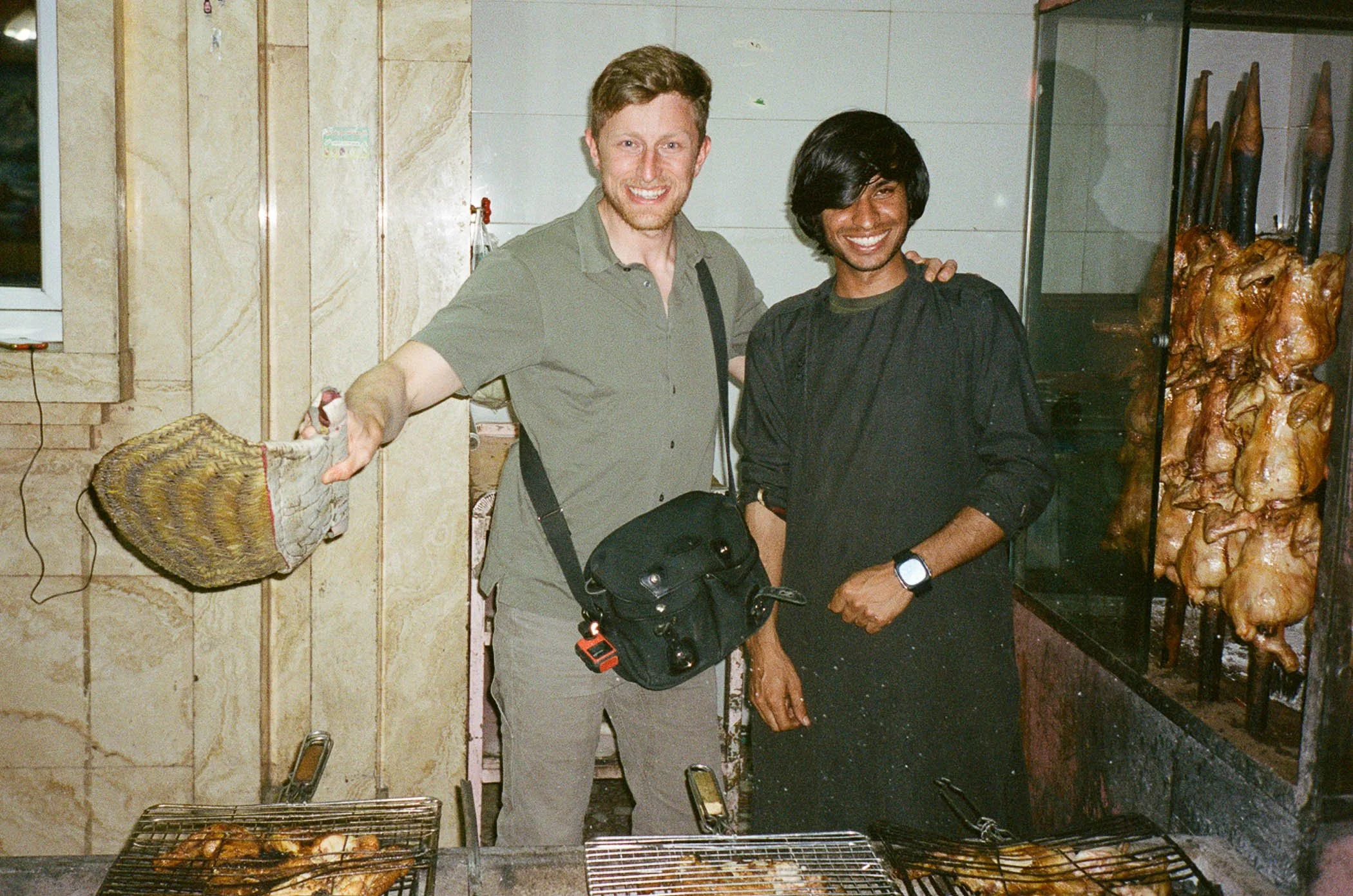

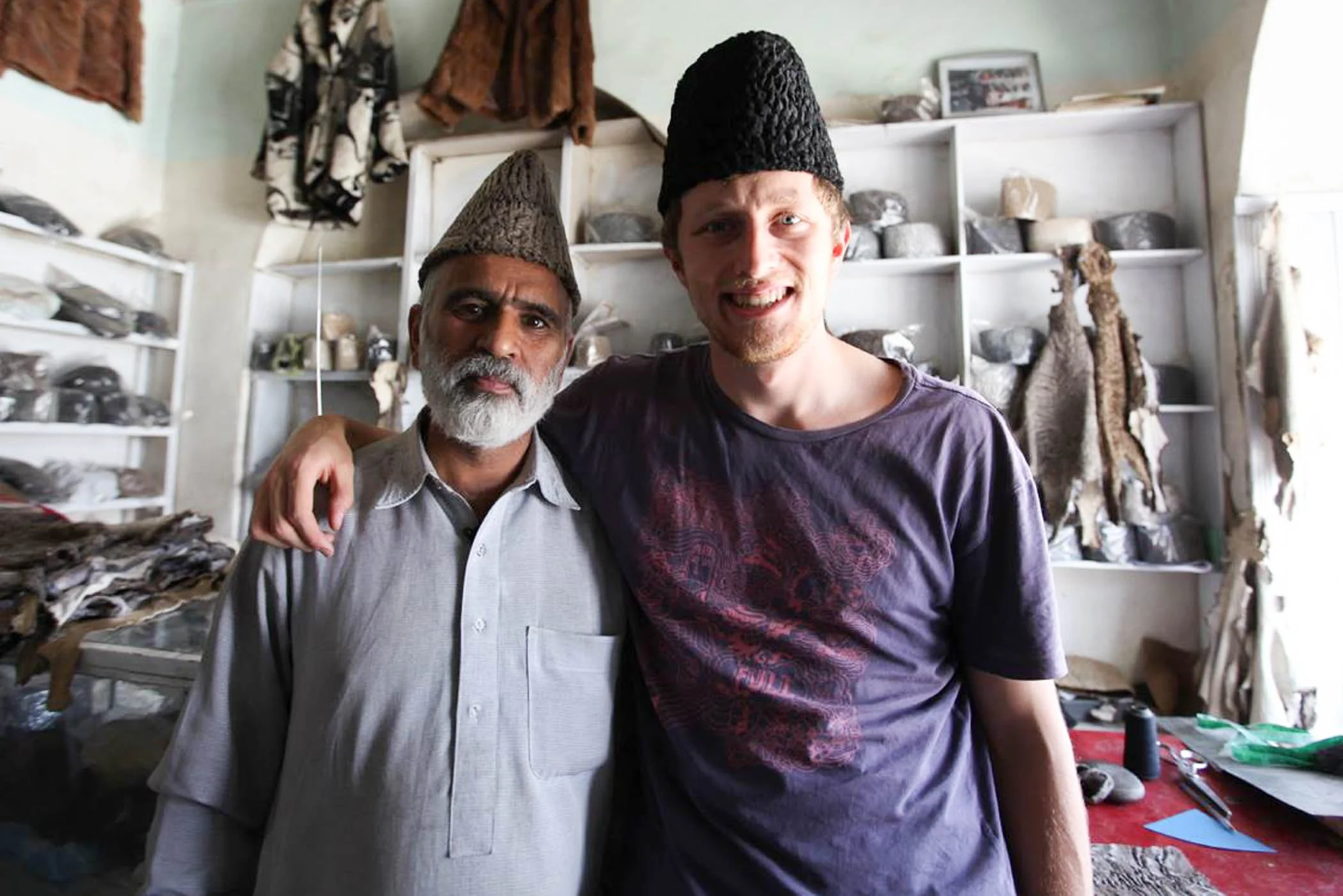
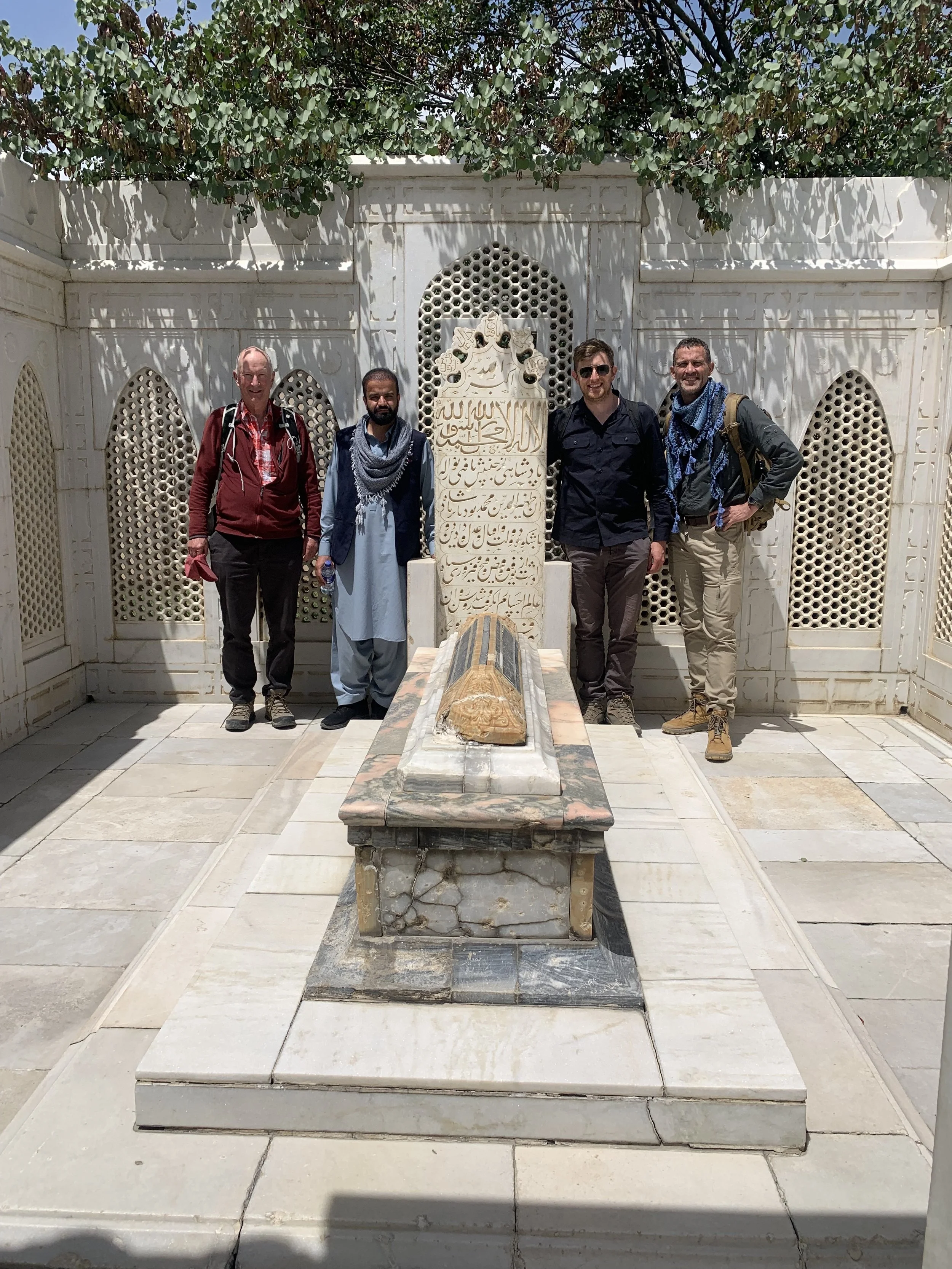
Day #002
An early morning start for you as we hike across the Shir-Darwaza wall walk across the roof of Kabul. The hike is a great way to burn off the jet lag and takes about 4 hours. This is our favourite Kabul site – it is an ancient wall connecting two incredible monuments to defeated empires. We will start our hike at the Mughal Emperor Babur’s Garden.
Our route will then take us to the Bala Hissar Fort, scene of the pivotal events of both Anglo-Afghan wars. It’s also a good chance to have a chat with members of the Taliban who will accompany us on the walk and take some photos of them hiking up the wall.
After lunch we will drive through Wardak province and over several mountain passes above 2,500m to arrive in the city of Bamiyan. We’ll arrive in the evening to visit one of the abandoned cities of Shahr-E-Zahak or Gholgala. Both are relics of Genghis Khan’s destructive quest to conquer the Bamiyan valley.
Accommodation at ATO Guesthouse in Bamiyan
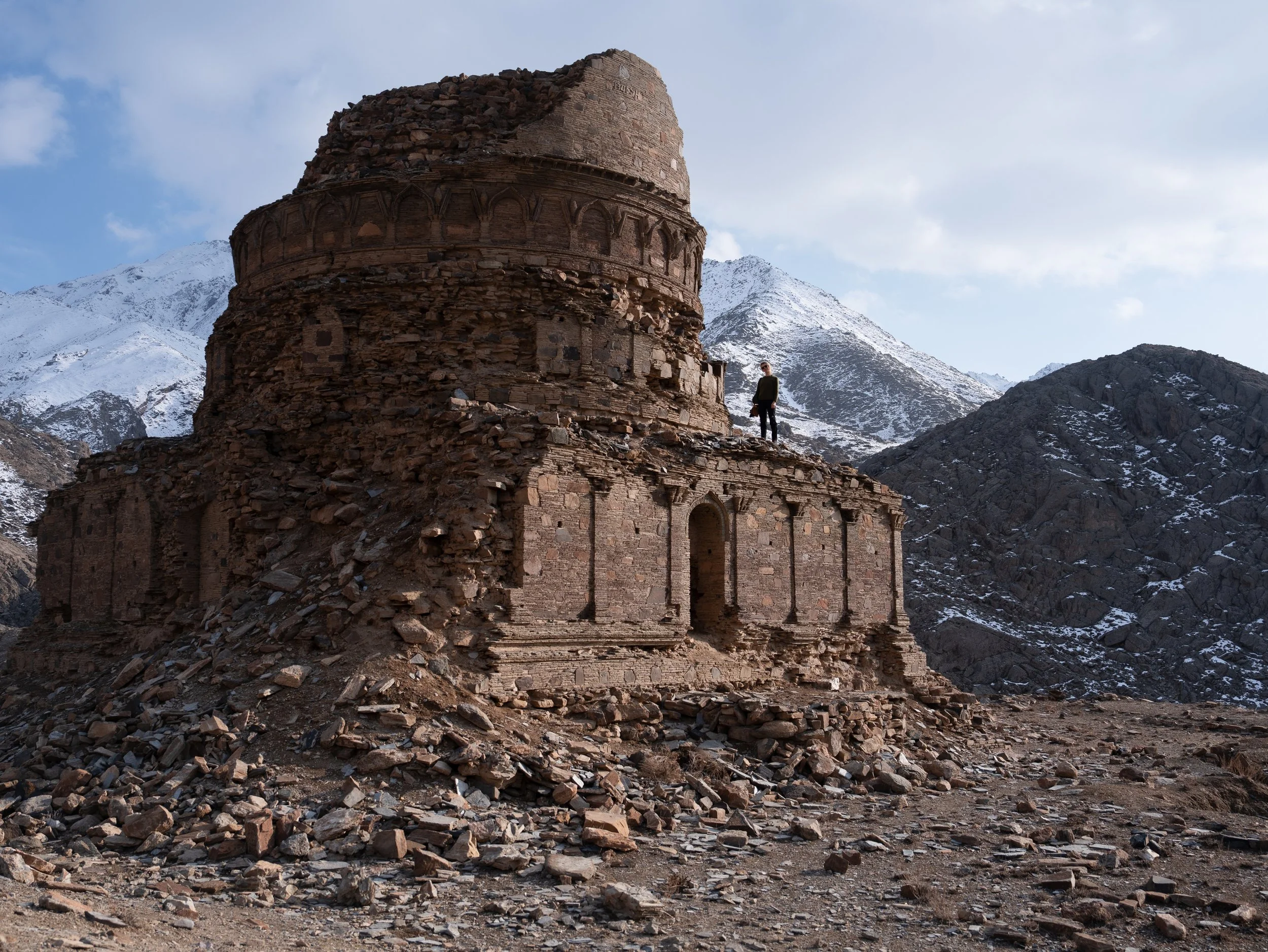
A western female traveller at the buddhist remains of Gul Darra Stupa in Kabul, Afghanistan
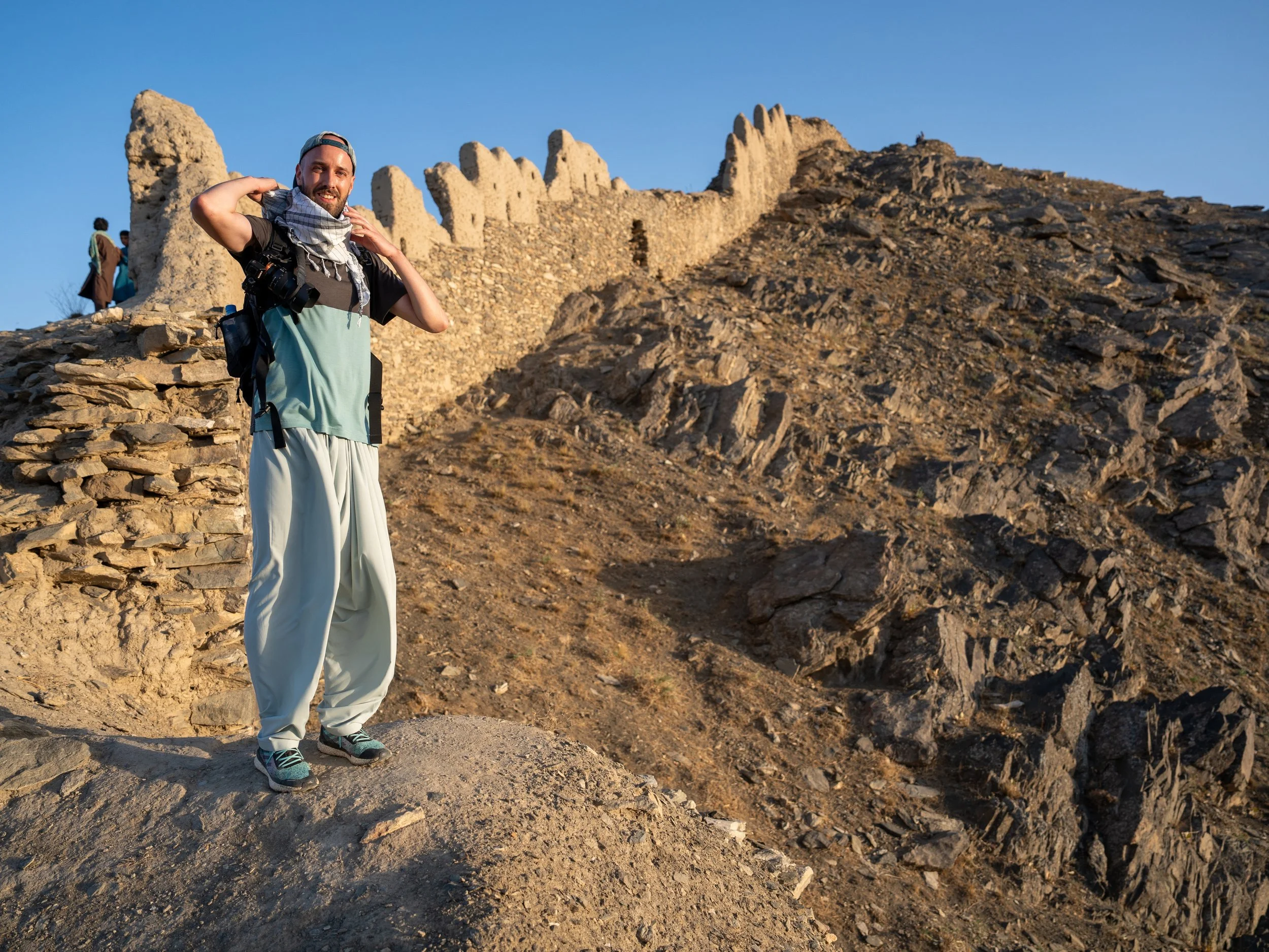
A tourist hikes across the Shir-Darwaza wall walk across the roof of Kabul.
Day #003
A dawn walk through the remains of the Buddha’s of Bamiyan is one of the greatest ways to start the day and they are only a short walk across farmland from the hotel. The Buddhist niches are far more impressive than pictures suggest. The site is several kilometres long and most people will enjoy a couple of hour walking around them before wondering round the bazaar. Bamiyan is one of Afghanistan’s friendliest cities and local people are always desperate to chat and test their English.
In the afternoon we will make our way to Yawkawlang and onto the remains of Chehil Burj, via the famous lakes at Band-E-Amir. Our host will join us for a traditional Hazara dinner under the mulberry trees.
Accommodation at homestay/camping at Chehil Burj or another local village
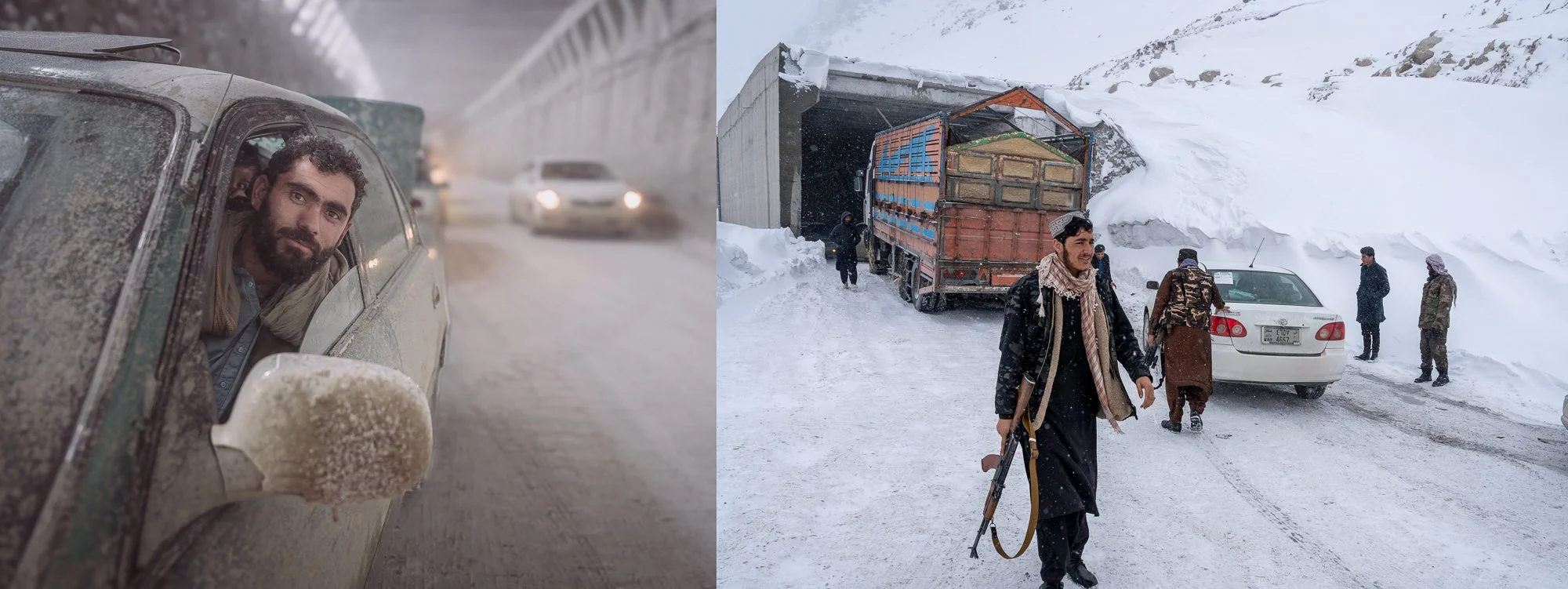
Salang Pass - over the Hindu Kush and onto Bamiyan. Always an adventure in summer or winter.
Day #004
The mud brick village at the foot of the famous ‘forty towers’ of Chehel Burj is hidden from the valley floor, but is a maze of mud brick houses, irrigation streams and small vegetable gardens. You’ll have a couple of hours in the morning to make your way up the hill to explore the archaeological site including the Kushan period Buddhist niches and the thick walls of huge, abandoned garrison which once guarded the valley below.
We will then begin the long journey towards the town of Chagcharan. The road conditions are very poor particularly on the mountain passes just beyond Yawkawlang, but there is a lot of road work being done now. Expect a long day in the car.
Accommodation in 2* Chagcharan Hotel
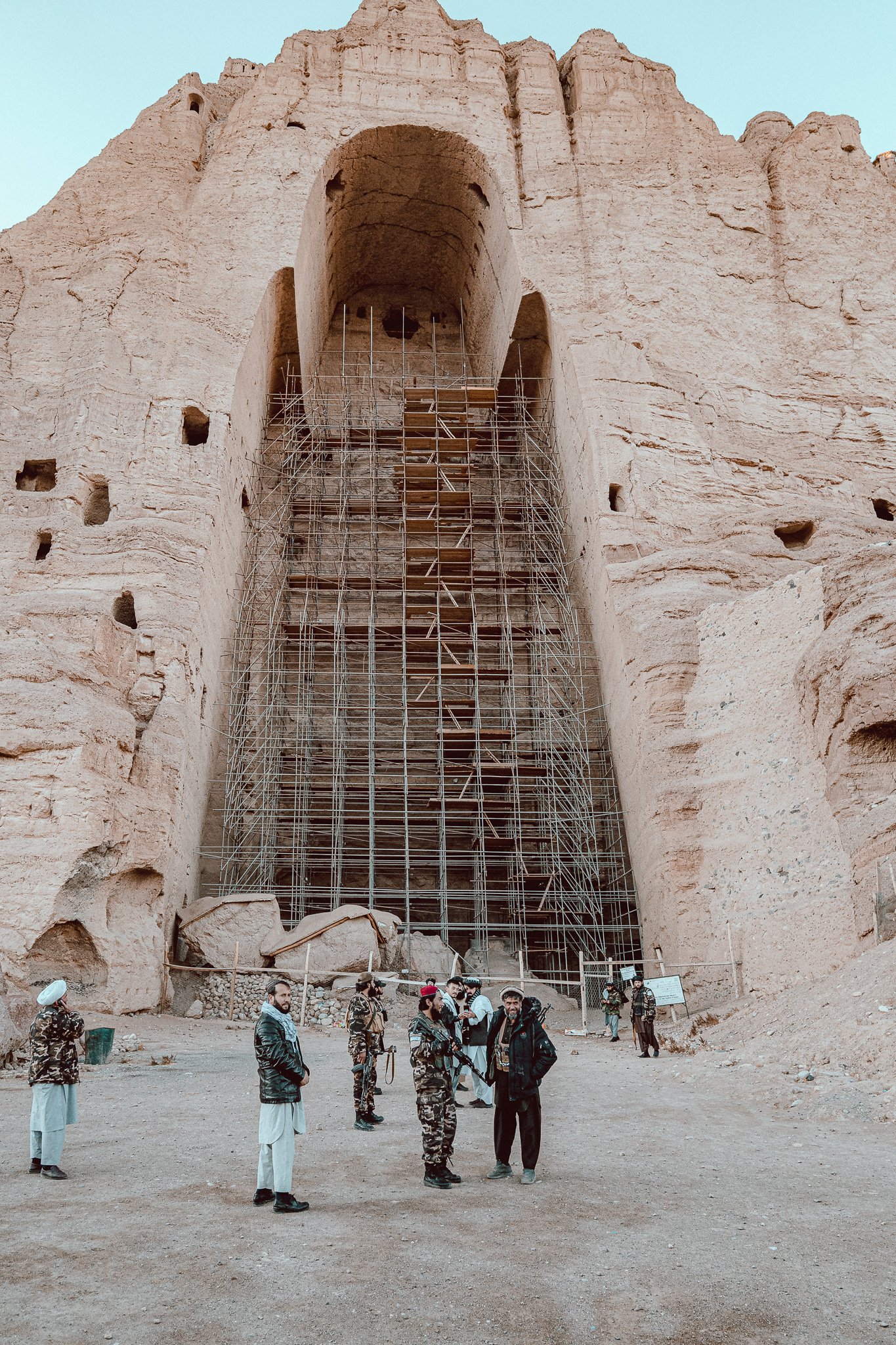
Members of the Taliban hanging around the remains of Bamyan's famous buddha.
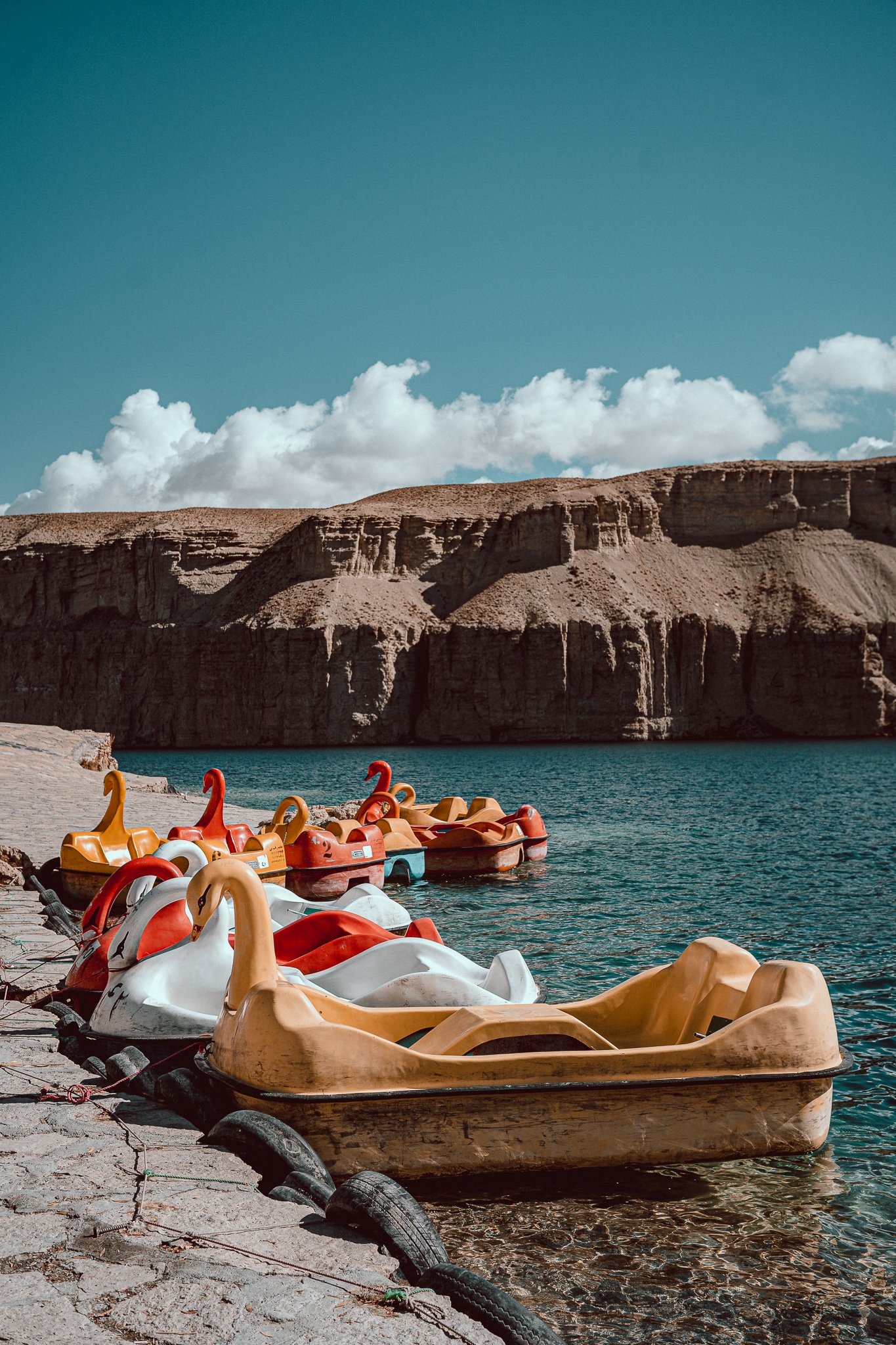
Pedalos are parked at the bottom of the Band-E-Amir national park
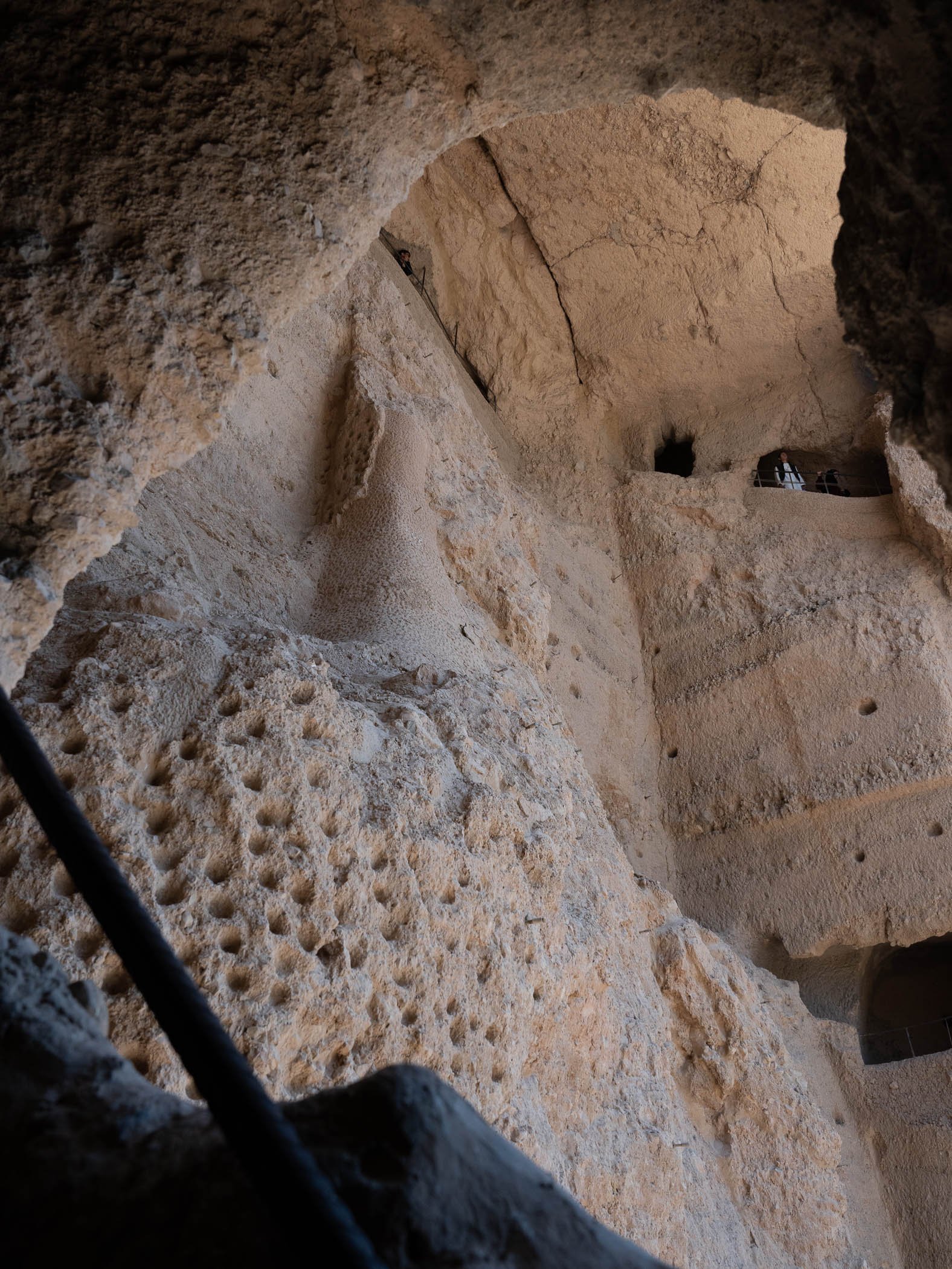
A close up of the remains of "Shah Mama" the female buddha at the East of the Bamyan city complex.
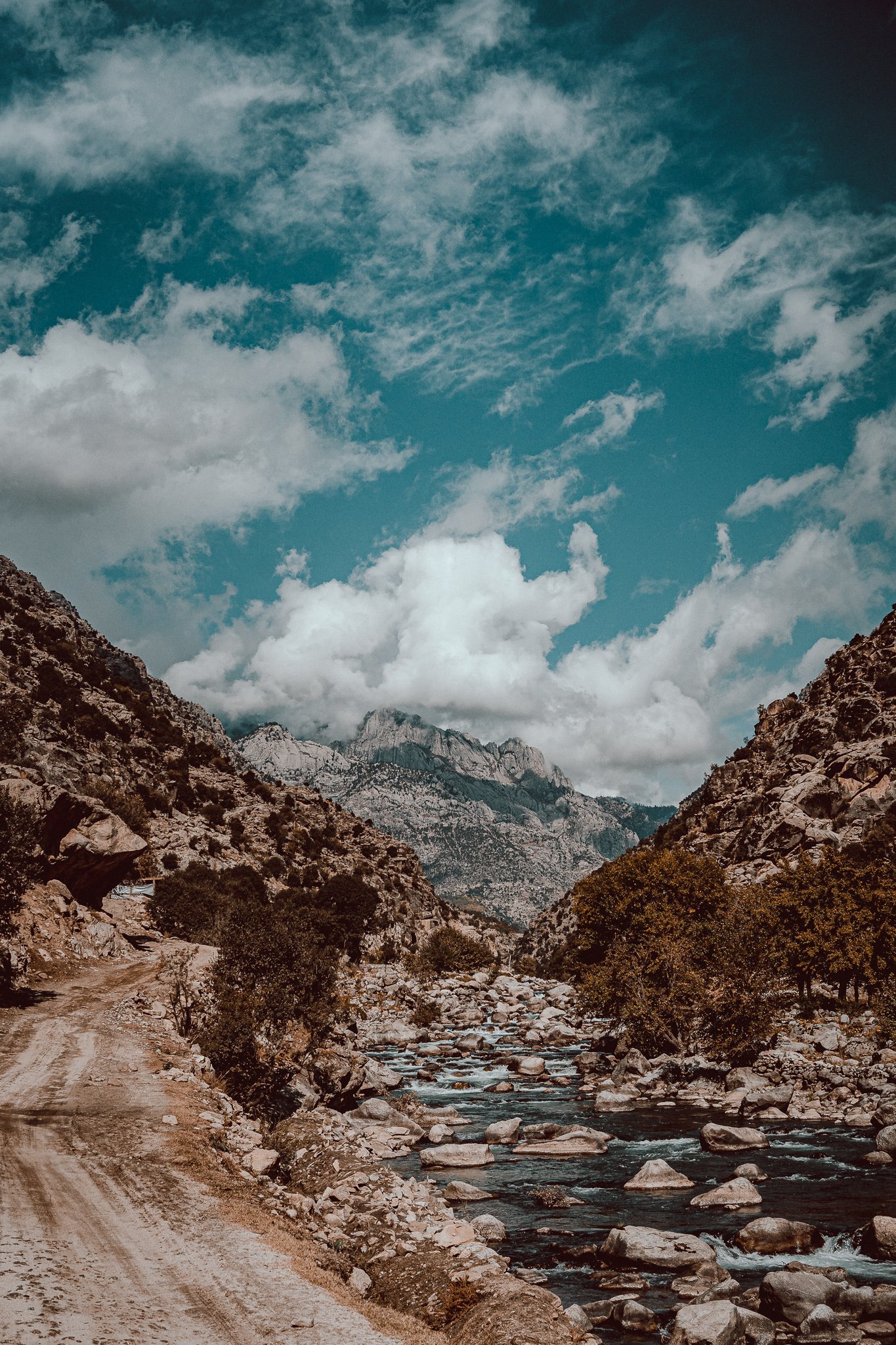
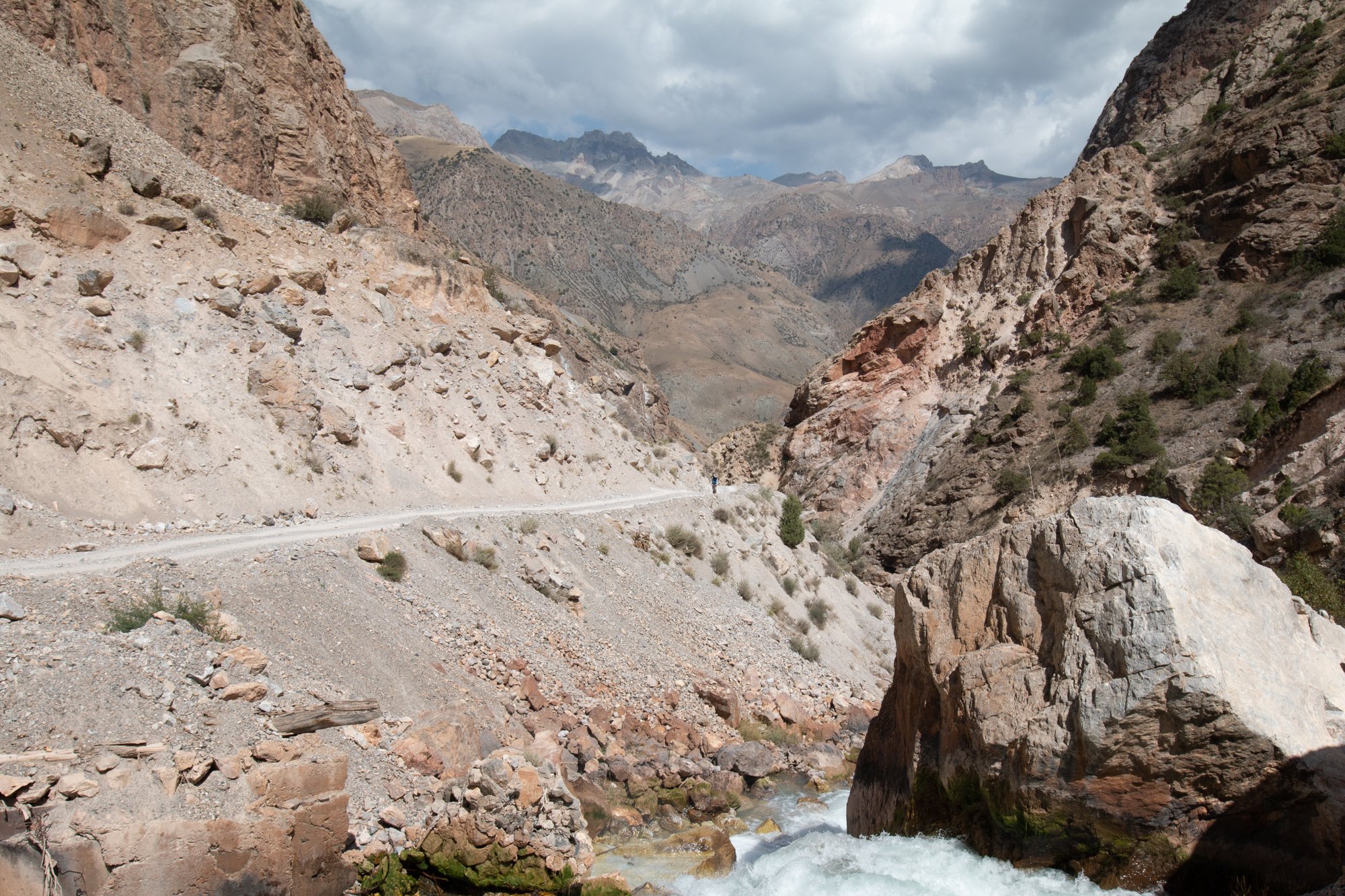
The journey to Bamyan through Kabul takes us through stunning mountain scenery rising to over 2000m in places.
Day #005
A long day’s journey begins with a pre-dawn departure eastwards, leaving the southern side of the Salang and its rolling mountain landscapes, and preparation for a drive through the mountains. While road improvements have been promised for 2026, the route remains tough and demanding for now expect a long, gruelling day in the vehicle.
Along the way we will visit Takht-e-Rustam, one of Afghanistan’s most remarkable Buddhist sites. There are many places Safarāt’s founder Joe claims as favourites, but Takht-e-Rustam—and in particular the striking Buddhist complex carved into the hillside beneath it stands above them all.
Accommodation at 3* equivalent hotel in Mazar
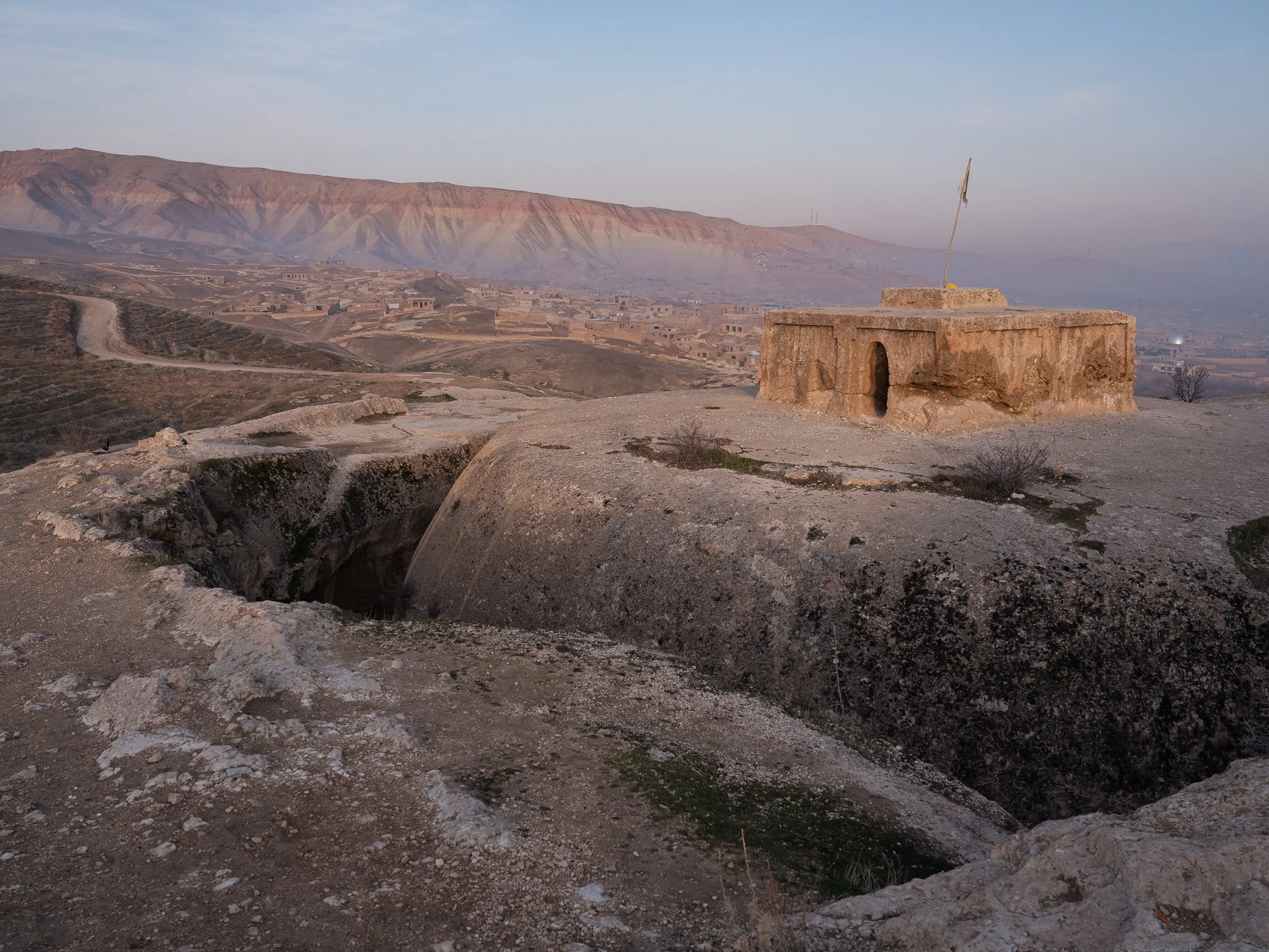
The remains of 'Takht-E-Rustam' in the morning light.
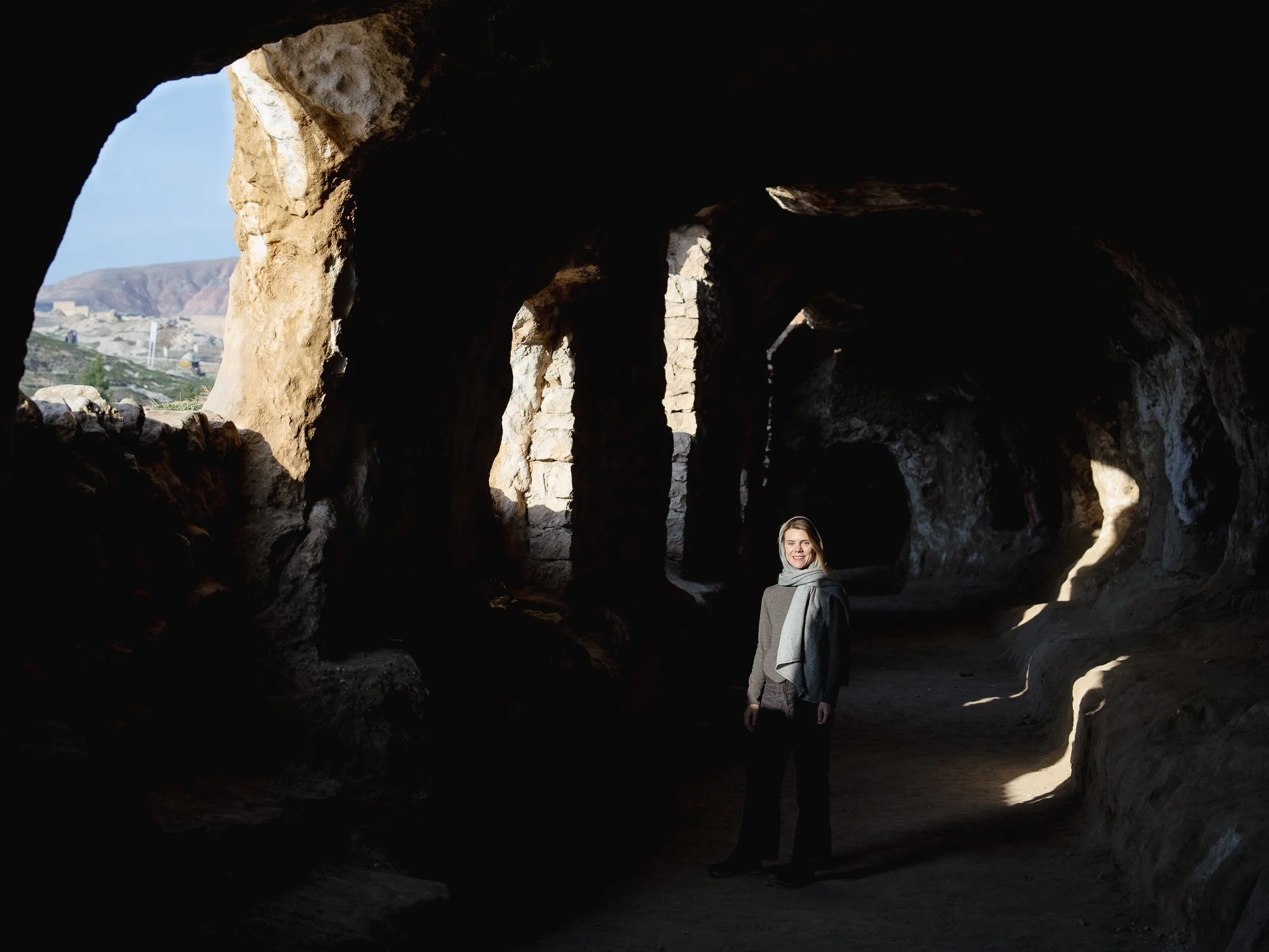
At the base of the hill at Takht-e Rostam lies a second, lesser-known but equally important part of the Buddhist complex, distinct from the rock-cut stupa at the summit.
Day #006
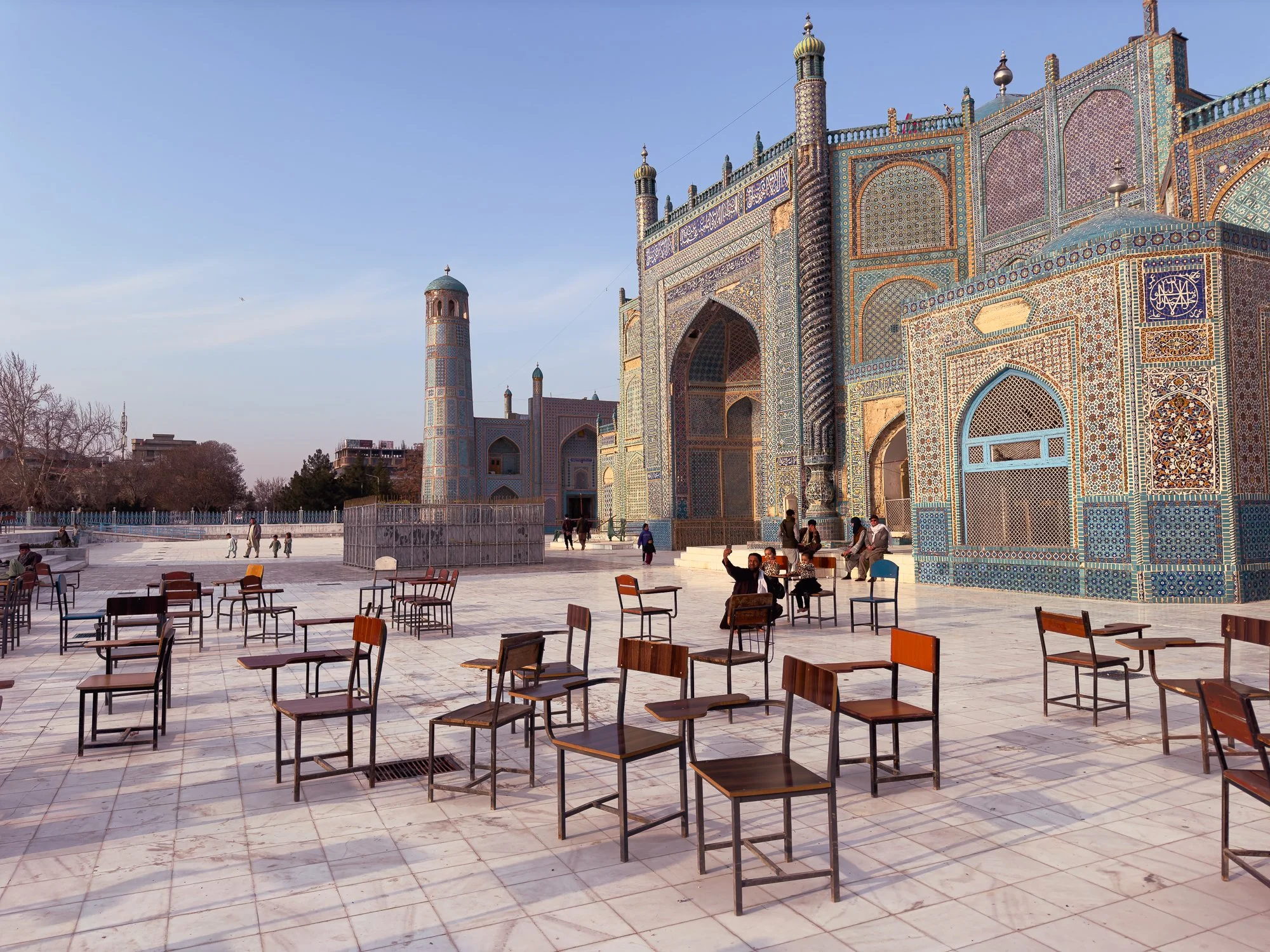
We head into the old city of Mazar-e-Sharif to visit the Blue Mosque. Officially known as the Shrine of Ali, the mosque is believed by many to house the tomb of Ali ibn Abi Talib, cousin and son-in-law of the Prophet Muhammad, making it one of the most significant religious sites in Afghanistan.
Much of the present structure dates to the Timurid period and is renowned for its luminous blue tilework, from which the city takes its name. You’ll have time to wander through the mosque complex at your own pace, and many travellers choose to sit quietly in the courtyard, taking in the scale and serenity of the surroundings.
Accommodation at 3* equivalent hotel in Mazar

-
![]()
Mazar Blue Mosque - a highlight for many of our travellers.
-
![]()
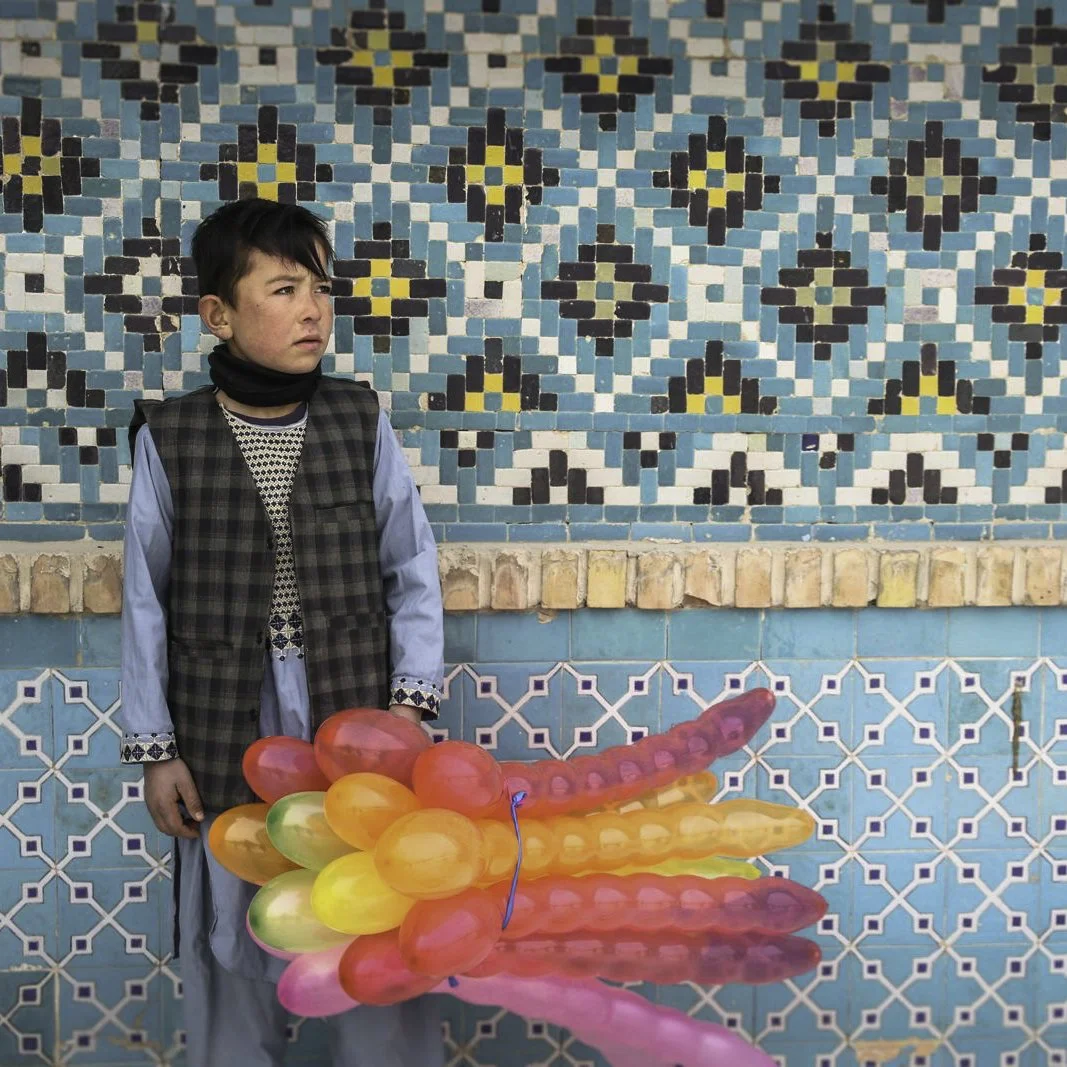
A boy selling balloons in the mosque complex.
-
![]()
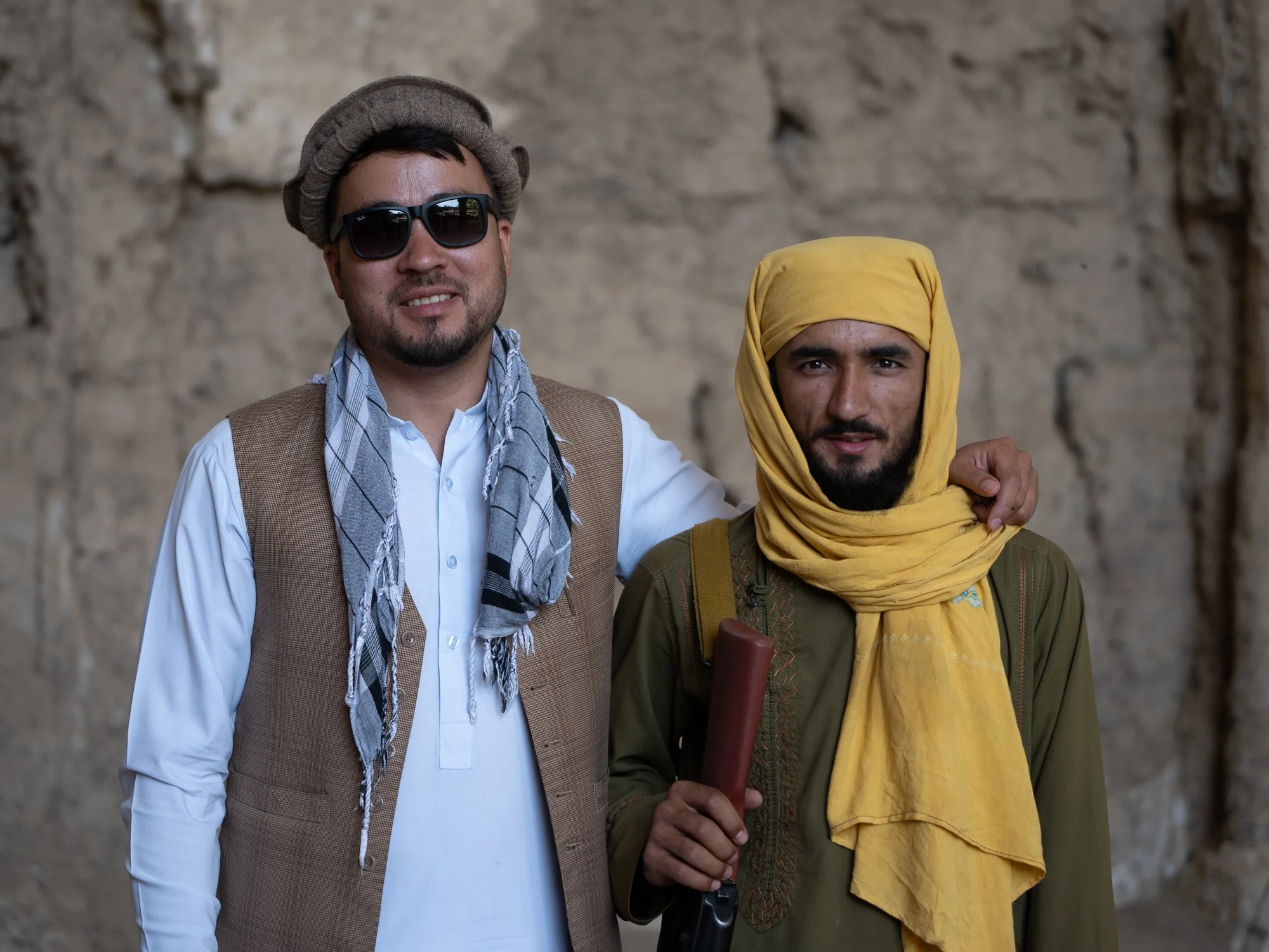
Safarāt northern coordinator Ismail posing with a Taib guard.
-
![]()
Traveller Lucy getting some admin done in the Mazar bazaar before the start of the journey.
-
![]()
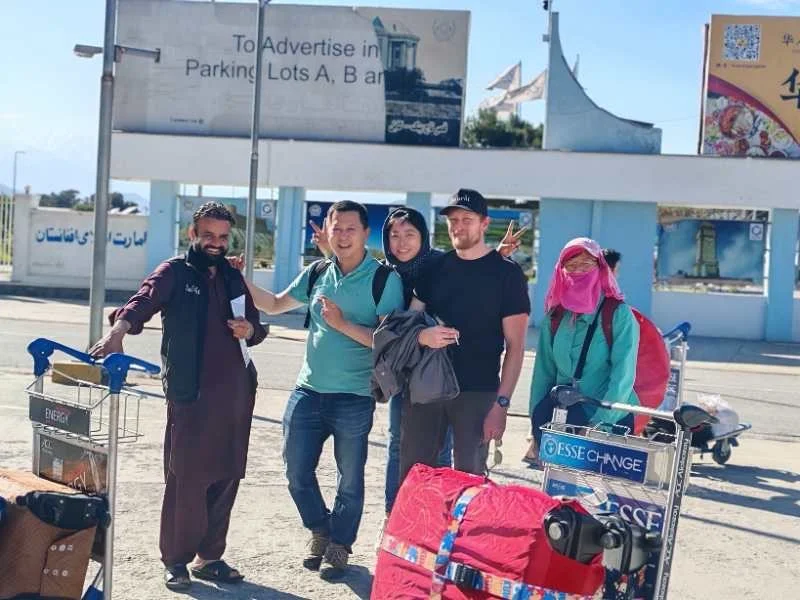
Joe and Noory collecting guests at Kabul airport before the transfer north.
-
![]()
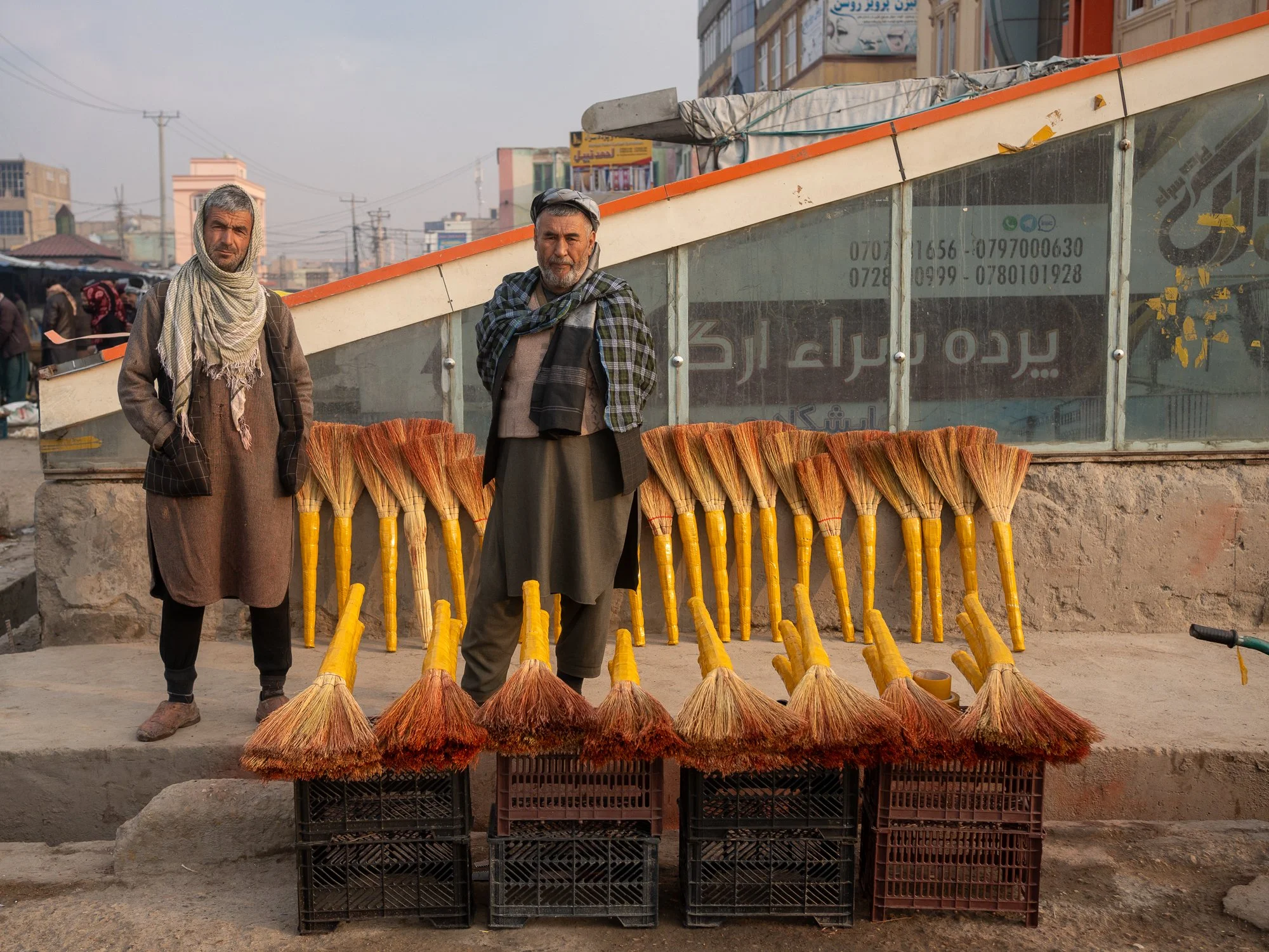
Brooms for sale in the old city bazaar
Day #007
An early morning start takes us to the ancient city of Balkh, one of the oldest continually inhabited places in Central Asia. Known in antiquity as Bactra and later celebrated as “the Mother of Cities”, Balkh was once the capital of the region known to the Greeks as Oxiana and a key centre of learning, trade, and religion. It was conquered by Alexander the Great in the 4th century BCE, flourished under successive Persian, Buddhist, Islamic, and Timurid rulers, and for centuries rivalled cities like Samarkand and Bukhara in prestige. Today, its scattered ruins, city walls, and shrines hint at the immense importance it once held along the Silk Roads.
Our favourite site in Balkh is the Haji Piyada Mosque, one of the earliest surviving Islamic monuments in Afghanistan. Believed to date from the 9th century, during the early Abbasid period, the mosque is remarkable for its intricate carved stucco decoration and elegant Kufic inscriptions. Despite its ruined state, it offers a rare and evocative glimpse into the formative years of Islamic architecture in the region and is widely regarded as one of the most important early mosques in Central Asia.
Balkh has drawn travellers, scholars, and pilgrims for millennia. Chinese monk Xuanzang passed through in the 7th century and described a city rich with monasteries and learning. Later, Islamic geographers such as Al-Muqaddasi wrote of its wealth and sophistication, while the great poet and mystic Jalal al-Din Rumi was born here (we will be visiting what remains of his house!), cementing Balkh’s reputation as a spiritual as well as intellectual centre.
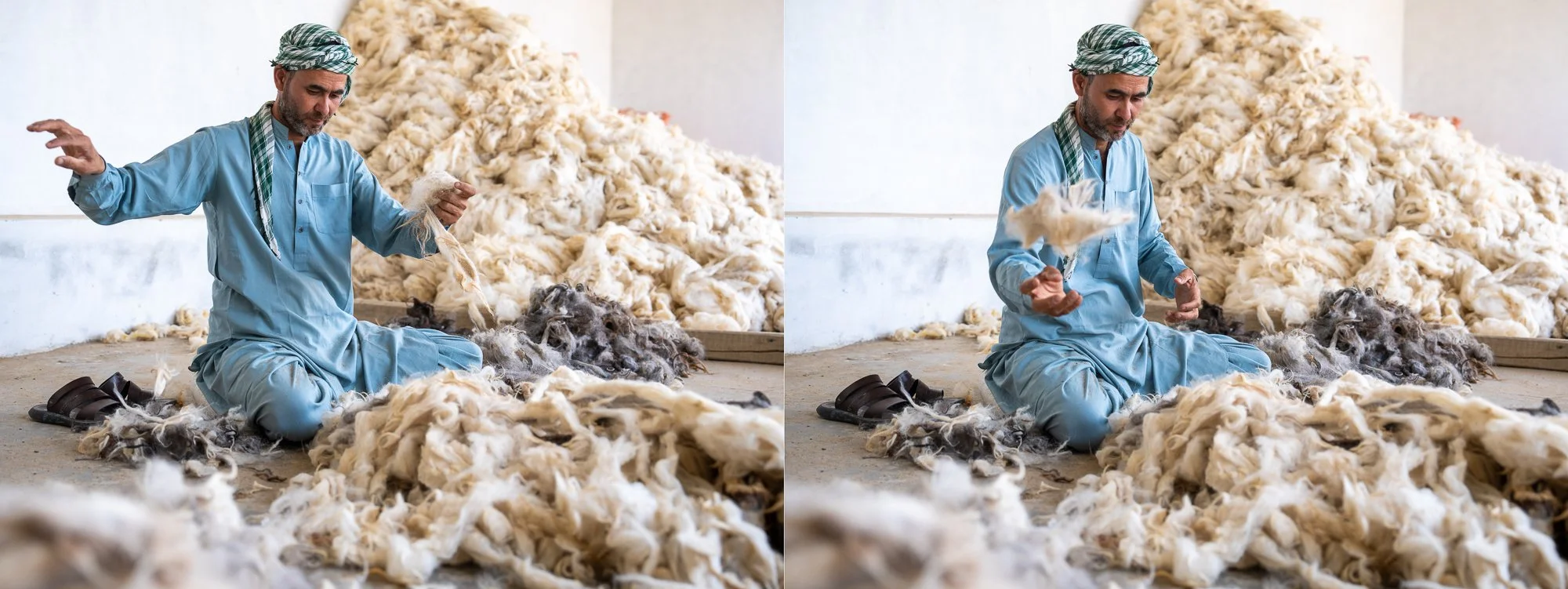
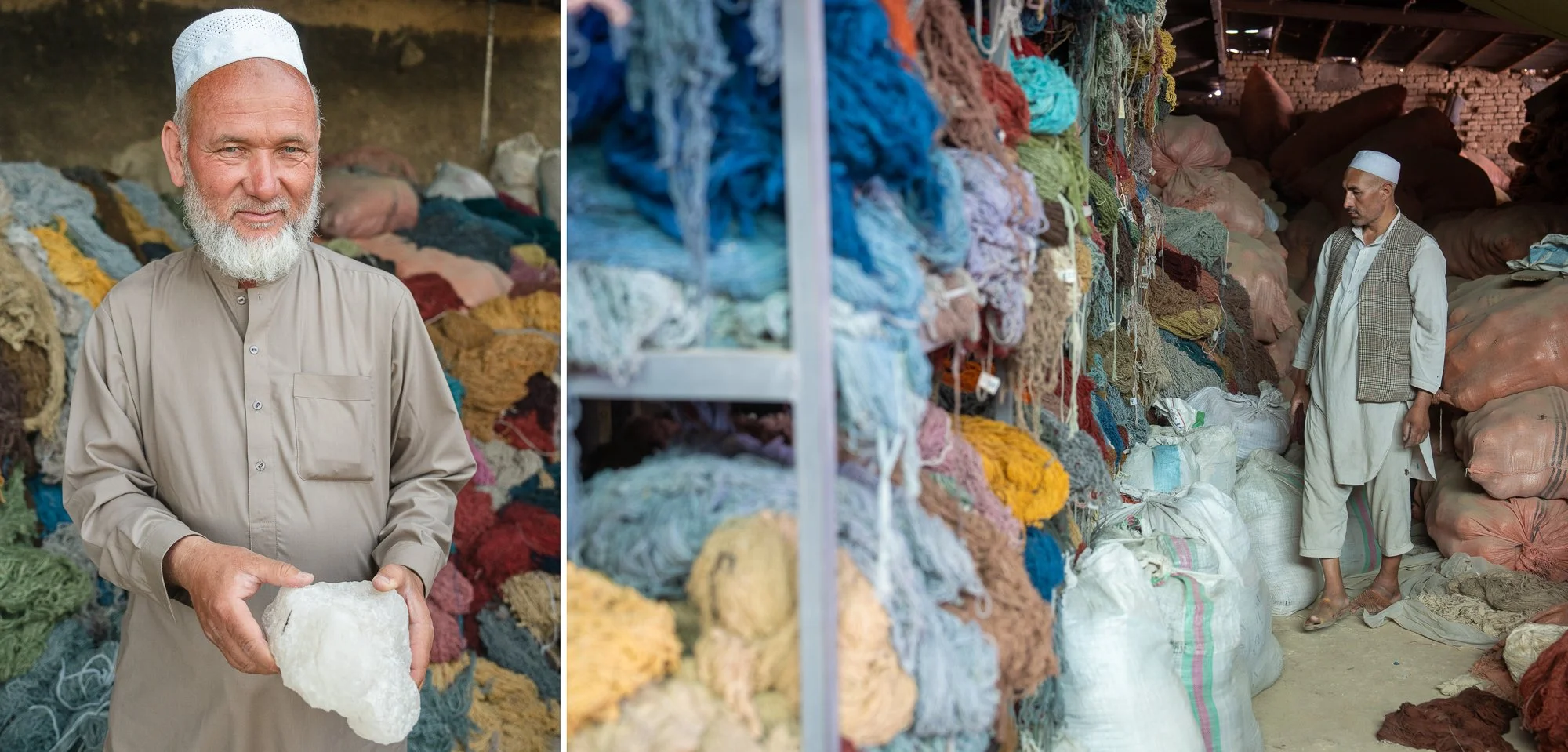
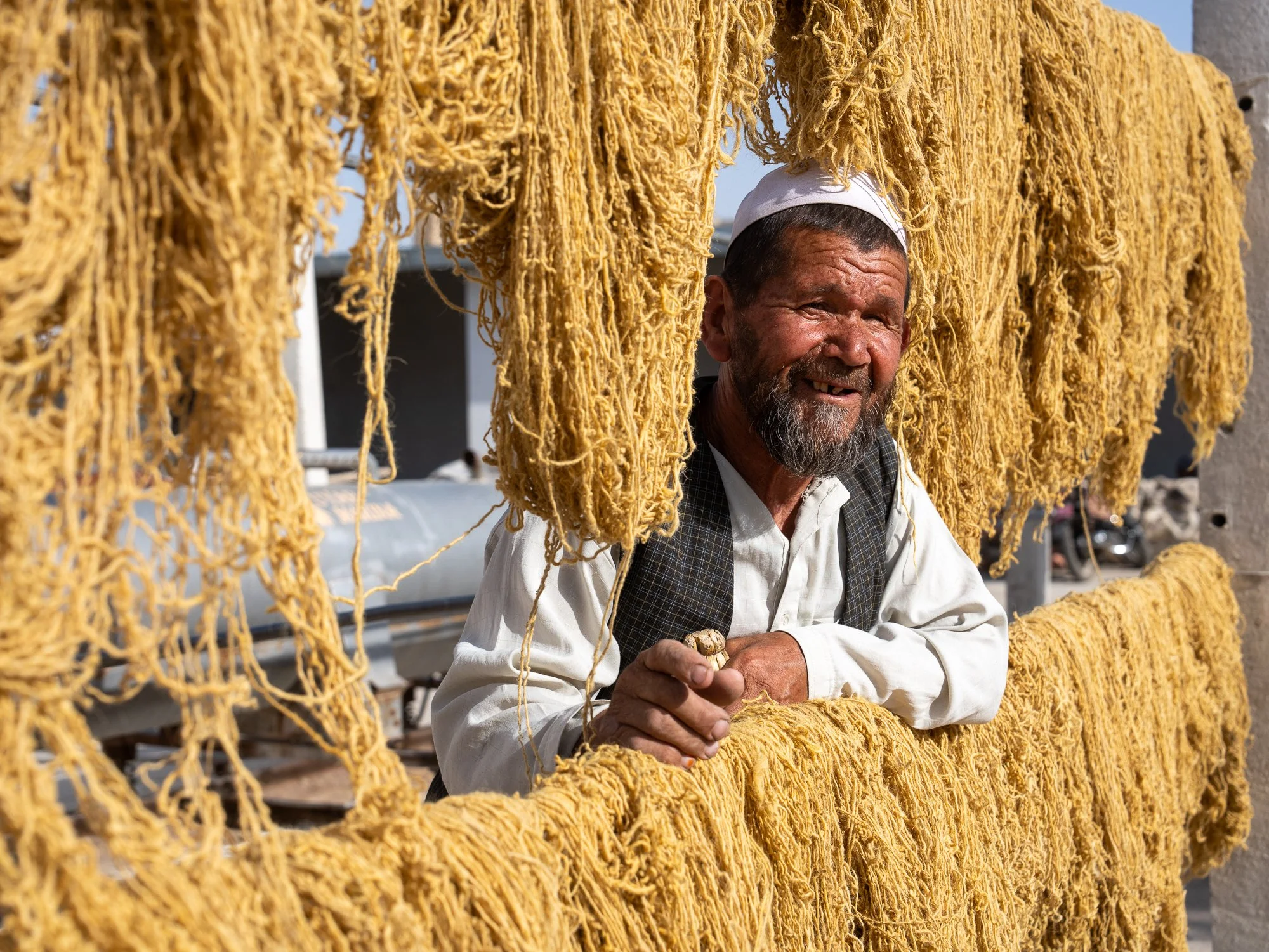
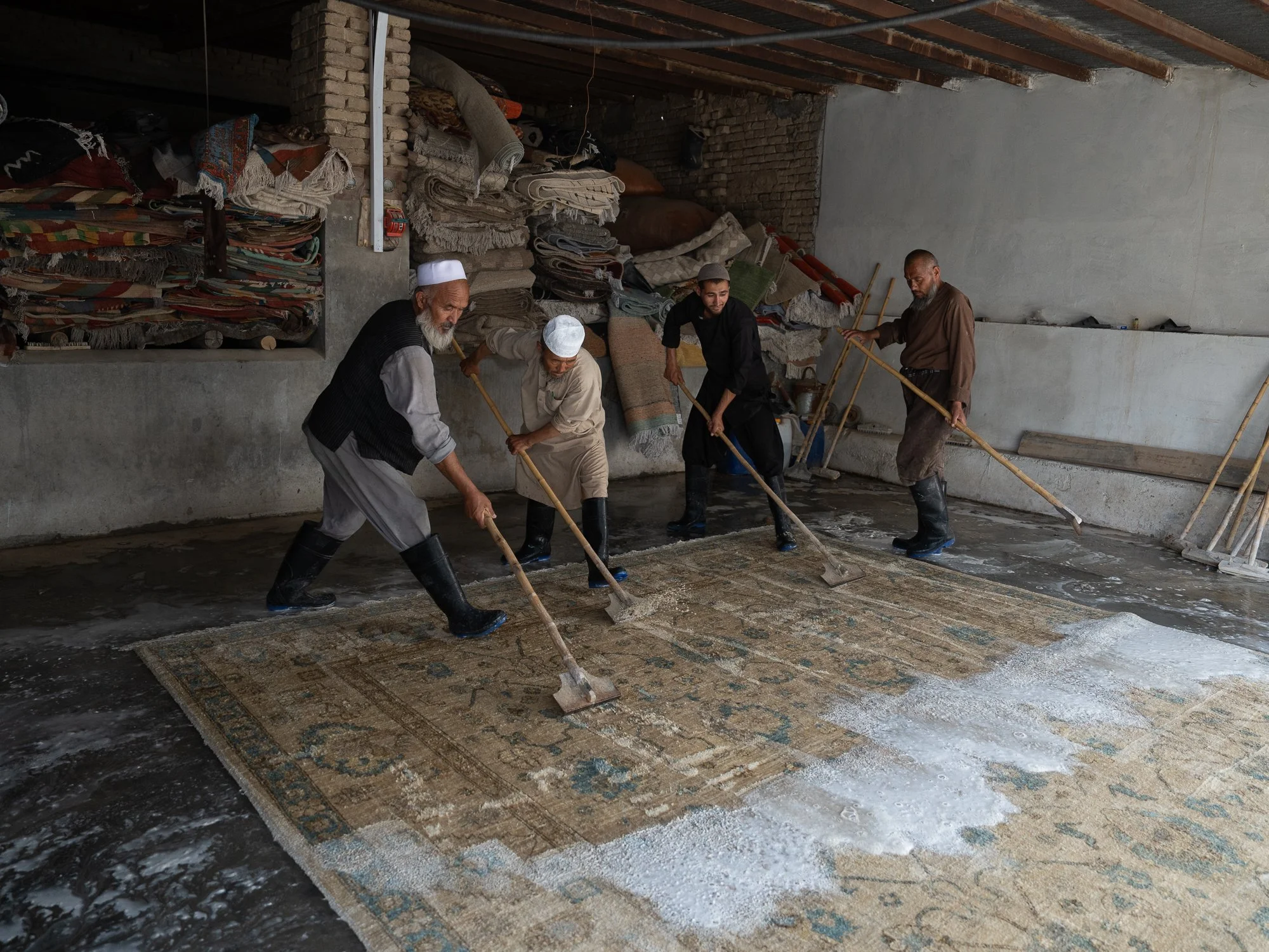
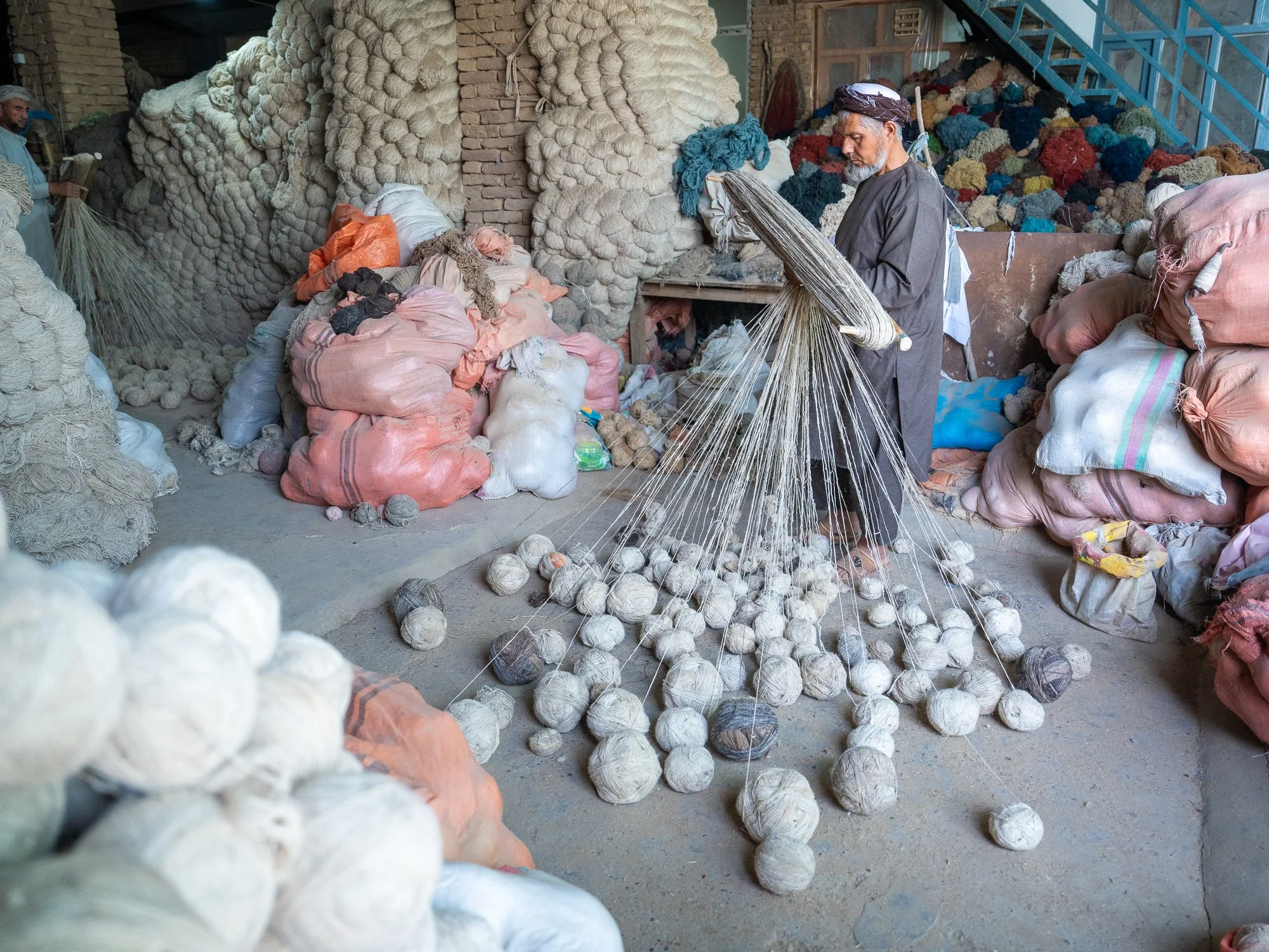
In the afternoon, we travel on to Aqcha, a predominantly Turkmen town renowned for its kelim weaving traditions. Aqcha is famous for producing some of the finest flat-woven carpets in the region, using local wool, natural dyes, and techniques passed down through generations. Ismail, who is himself involved in the carpet trade, will introduce you to some of the town’s best workshops and manufacturers. You’ll see the weaving process up close and, if you wish, have the opportunity to purchase kelims directly from the source at local prices—authentic, hand-made pieces rooted in centuries-old Afghan craftsmanship.
Aqcha Kelim Production:
Day #008
Today we will drive to the border where you will cross either into Tajikistan or Uzbekistan. We hope that your Safarāt journey will have contributed a small part to a return to these happier times in Afghan history.
Your Guide
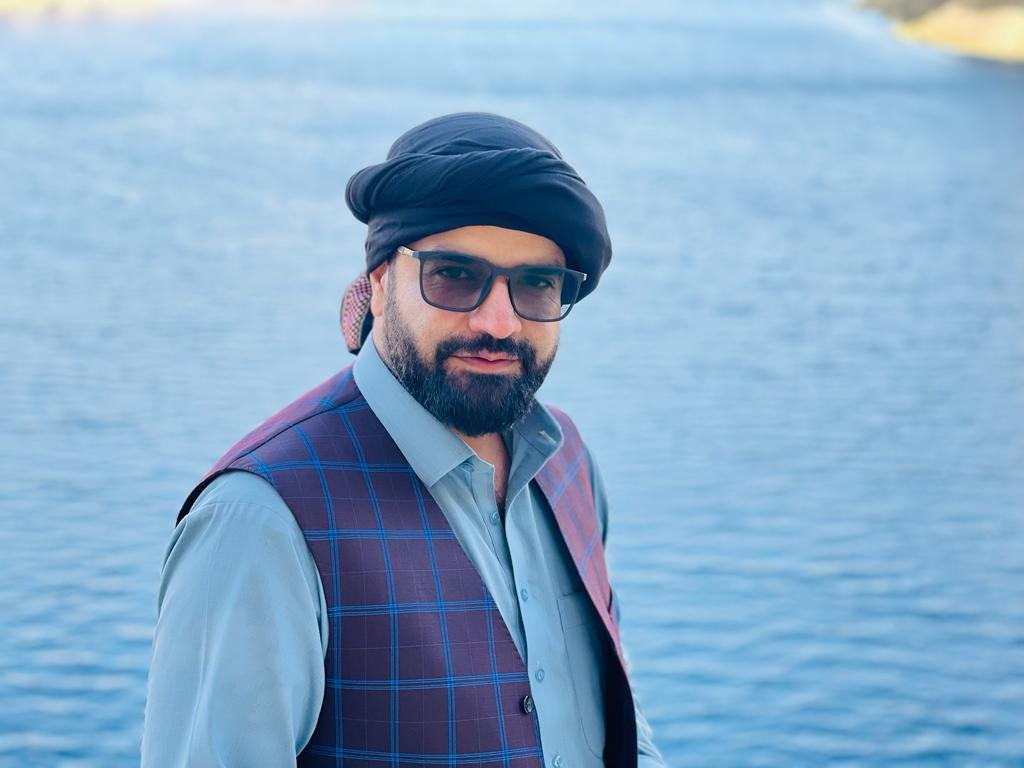
Qudratullah Noory
Safarāt was founded by British photojournalist Joe Sheffer to open a window into his professional world. We understand that in choosing to join Safarāt on a journey, you are trusting us with your safety and security.
Our private Afghan trips are hosted and run by Qudratullah Noory who is the co-founder of Safarāt. Noory is a former producer and ‘fixer’ with a wide range of experience working with international broadcasters including CNN and international NGO’s. He is a native of Kabul, whose family originate in Wardak.
Unlike our group tours, there is no international guide on this trip, but that doesn’t mean that the trip is any less safe, planned or risk assessed.
To better understand our experience, the way we operate, our safety and security plans and the realities of traveling in Afghanistan, we have written the following guides.

What’s Included:
- All accommodation: based on 2 guests sharing a room.
- Breakfast: is provided by our guesthouses. If we are required to make an early start you will be taken for Bolani and Sheer Chai in a local cafe.
- Private Transport: in your own air conditioned 2 wheel drive car
- Guiding by Noory Qudratullah
- Local Travel Permits and Permissions
- Visa support and invitation
What’s Not:
- Lunch: Noory will be happy to recommend restaurants to fit all budgets in Kabul and Bamiyan.
- Dinner is not included for single person tours
- Snacks and Water
- Visa Fee: Please see our FAQ below on how to get your visa.
- International Flights
- Entrance fees: There is currently a charge to enter Kabul Museum, Babur Gardens and a shared ticket for the sites of Bamyan.
Book Now

The Afghan Silk Road is a 6 to 7-night journey through modern Afghanistan connecting Pakistan with Tajikistan.
Our journey is aimed at travellers who are passing through Central Asia on their way to Pakistan or India, although we are more than happy to run this trip starting or ending at Kabul airport.
As with any Safarāt journey, our route through the ancient often serves as a conduit to explore and understand the present. As usual we will be using our decades of collective experience in Afghanistan to curate special access for our travellers.
This is a private trip - you will be met at your entry point by Qudratullah Noory who is a highly experienced, licensed and English speaking guide with a modern air conditioned vehicle. He will then accompany you to your departure point.
The itinerary can be run in either direction from Shir-Khan/Bandar (Tajikistan) to Torkham (Pakistan) or vice versa.
6 nights are $1920 USD
7 nights are $2240 USD
There is a 50% single supplement for solo travellers.
Journey #006: The Afghan Silk Road
-
The Afghan Silk Road trip was designed for travellers either transiting or living in the UAE or Turkey, but travellers are of course welcome to visit from anywhere. Although we have described the trip as a long weekend, you are welcome to book dates outside of the weekend and are flexible with dates.
The trip is available year round and although the mountains of Bamiyan are best visited in Summer, there is nothing more magical than seeing the Buddhas covered in snow and Kabul also has it’s own magic in the winter time (although activities like the wall walk may be difficult when it’s very wet or freezing!)
If Noory is unavailable on your requested dates, it may be possible to travel with one of Safarāt’s other trusted guides and drivers.
To book your trip please get in touch here or if you can’t wait to chat, then send us a whatsapp on +447458611911
There is a 50% single supplement for solo travellers.
-
It’s a legal requirement that all of our guests travel with at least basic medical and insurance and we appreciate that finding a suitable insurance policy can be difficult.
You should be very careful if you have an annual worldwide travel policy in place, to make sure that you are covered for travel to Afghanistan as it is excluded by most general travel insurers.
The cost of insurance varies hugely based on where you’re resident, where you’re from and the time of year along with a number of other variables.
As an example, residents of the UK are able to get suitable cover from High Risk Voyager for around $100USD for a 4 day trip to Afghanistan.
We highly recommend Global Rescue to other travellers as evacuation insurance, but please note you will need to buy insurance to cover your medical costs aswell.
Travellers on our trips are required to have a minimum of $300,000 USD cover for medical emergencies and an additional $300,000 USD cover for emergency evacuation.
For more information about out insurance requirements, please have a look at out our latest terms and conditions.
-
There are daily flights between Kabul and Tashkent, Islamabad, Doha, Jeddah, Riyadh/Jeddah, Abu Dhabi, Dubai, Istanbul and Ankara via two airlines - Ariana and Kamair.
We prefer flying with Kam Air who have a more modern fleet of planes, and are more reliable than Ariana.
If you are struggling to pay for your flights via Kamair’s website, we recommend that you use their app which seems to work better with foreign credit cards.
To book a flight on Ariana please use their website. Their flights do not show up on google flights etc.
-
No specialist equipment is required for this trip, but you’ll be passing through passes of over 2000m in the mountains of Bamiyan and many of our travellers have been surprised how cold the province can be even in the summer. Sturdy footwear is a must and some travellers prefer to bring trekking poles to explore the unmade and steep paths we’ll be walking through.
Both men and women are required to dress conservatively in Afghanistan. That means both men and women will need to wear long sleeve shirts and trousers.
Women will need to wear a headscarf from the point of arrival in Kabul airport. You can read more about travelling as a woman in Afghanistan here.
You will need to bring between $100-200USD for spending money, lunches, water, drinks etc. Please only crisp and fresh $100 bills to exchange for local currency in Afghanistan.
Smaller denominations, old issues or damaged notes will attract a poorer exchange rate. It is possible to exchange Euros in some places – the minimum denomination is 50, but dollars are highly preferred. There are a few ATMs in Kabul, but they are often out of order and Afghanistan is still a country where cash is king.
We strongly strongly recommend carrying a mastercard/visa credit card with you in case of a medical emergency that needs funding before your medical insurance kicks in.
There are lots of opportunities to buy nice crafts, souvenirs, carpets and textiles so leave some space in your bags.
Simcards are available to hire from Noory directly for $30 USD for the trip with unlimited data.
Please do not bring a drone with you to Kabul - it will be confiscated upon arrival and it will create a huge headache for us.
-
This is one of the most common questions we get asked from our potential travellers. There are two answers.
The Short Answer: No, it’s probably best that Noory or your guide stays with you when you’re out in the streets.
The Long Answer: The truth is that it’s probably best not to walk around Kabul on your own unless you speak a good smattering of Dari and have been to the country before. There is no specific threat to foreigners in Kabul, but miscommunication and misunderstandings are common and although more and more international tourists are visiting Afghanistan you will still stick out like a sore thumb. Getting round the city is complicated and trying to use publics transport is fairly baffling.
In Bamiyan the situation is a little bit different and there is probably more opportunity to get yourself lunch alone in the bazaar and have a chat with local people. Noory understands foreign tourists well, and understands that not everybody wants to be driven around and spoon fed information all the time - and will give you the space to explore places we consider safe on your own if you prefer to wonder and wander alone!
Alternatively Noory is also a distinguished raconteur and guide - he will be delighted to show you round his city and the most beautiful and interesting spots of Bamiyan shoulder to shoulder as fellow travellers.
-
For the latest information on how to get your visa please read this.
Visas on arrival are available for European travellers at the Shir-Khan/Bandar bridge crossing with Tajikistan.
If you are entering via Hairatan you need to have your visa in advance. The easiest place to arrange this coming from Central Asia is Tashkent.
If you are travelling in the opposite direction then a visa is also easily acquired at the Afghan consulate in Peshawar on a same day basis.
For travellers starting their journeys from the UAE we have a relationship with a visa agent in Dubai who can collect and process your visa application for approximately $300USD within 24-hours.
-
When we started offering this itinerary there was no option but to start and finish at Shir Khan or Torkham.
Since then the option of entering and exiting to Hairatan in Uzbekistan has opened. That means there may be slight changes to the itinerary listed as you will not need to make the long drive up to Kunduz.
As this is a private tour there is an opportunity to tailor the trip to your interests. For example if you aren’t interested in visiting Kabul museum, then you don’t have to go!
Please get in touch with us in advance if you have any specific interests or are looking to visit any specific places that are not listed.
-
Please find our full terms and conditions here.