

How to Travel Responsibly in Afghanistan: A Practical Guide for Modern Travellers
Traveling to Afghanistan presents a profound opportunity to experience breathtaking mountain landscapes, ancient Silk Road heritage and extraordinary warmth from local communities. However, visiting a country undergoing significant socio-political changes requires an approach rooted in awareness, empathy and thorough preparation. Responsible travel in Afghanistan goes beyond standard tourism precautions - it is about respecting local customs, supporting communities directly and minimising your cultural footprint.
Respecting Cultural Norms and Expectations
Cultural sensitivity is the foundation of respectful travel across Afghanistan. Conservative attire and strict adherence to social norms are essential for your safety and for demonstrating respect toward your hosts.
For men, conservative dress means wearing long trousers and loose-fitting shirts; adopting the local perahan tunban (a loose tunic and trouser set) is widely appreciated and helps you blend in. For women, wearing loose, ankle-length clothing with a headscarf (hijab) covering the hair is required. Modesty in behavior is equally vital.
Photographing individuals - especially women and government or security checkpoints - must be handled with utmost care. Always ask explicit permission before taking pictures of people and respect any refusal without hesitation.
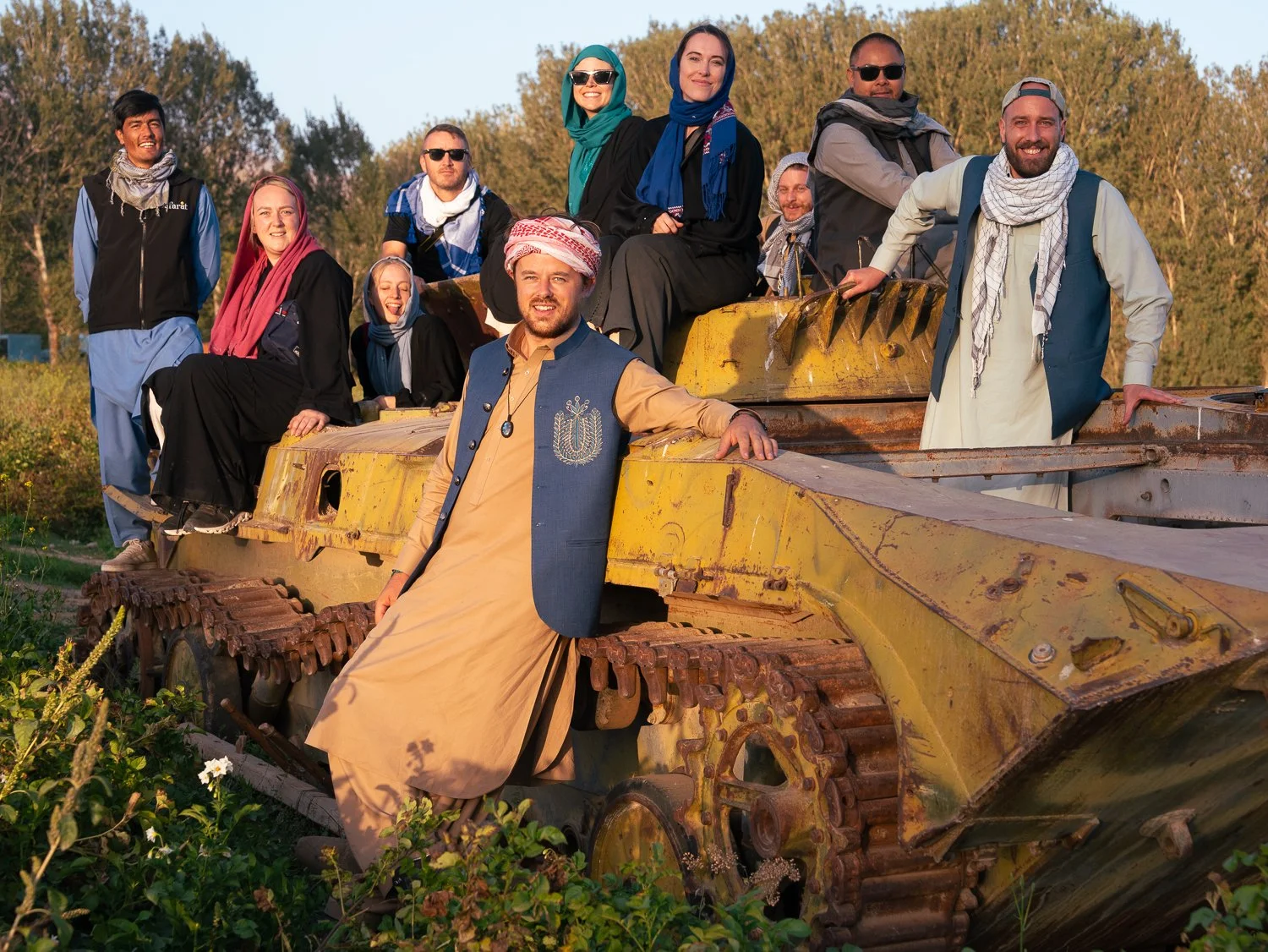
A group tour with Safarāt dressed in the style of local attire.
Supporting Local Economies Directly
When traveling in destinations where conventional tourism infrastructure is minimal, where you spend your money matters immensely. Tourism dollars can serve as a vital source of income for everyday citizens, local artisans and small business owners.
That’s why we at Safarāt work with local drivers, organise for our guests to stay with families and introduce you to local eateries. Purchasing handcrafted goods - such as traditional Herati glasswork, woven textiles, lapis lazuli jewellry, or regional dried fruits and nuts - directly from artisans in local bazaars ensures that financial benefits remain within the community.
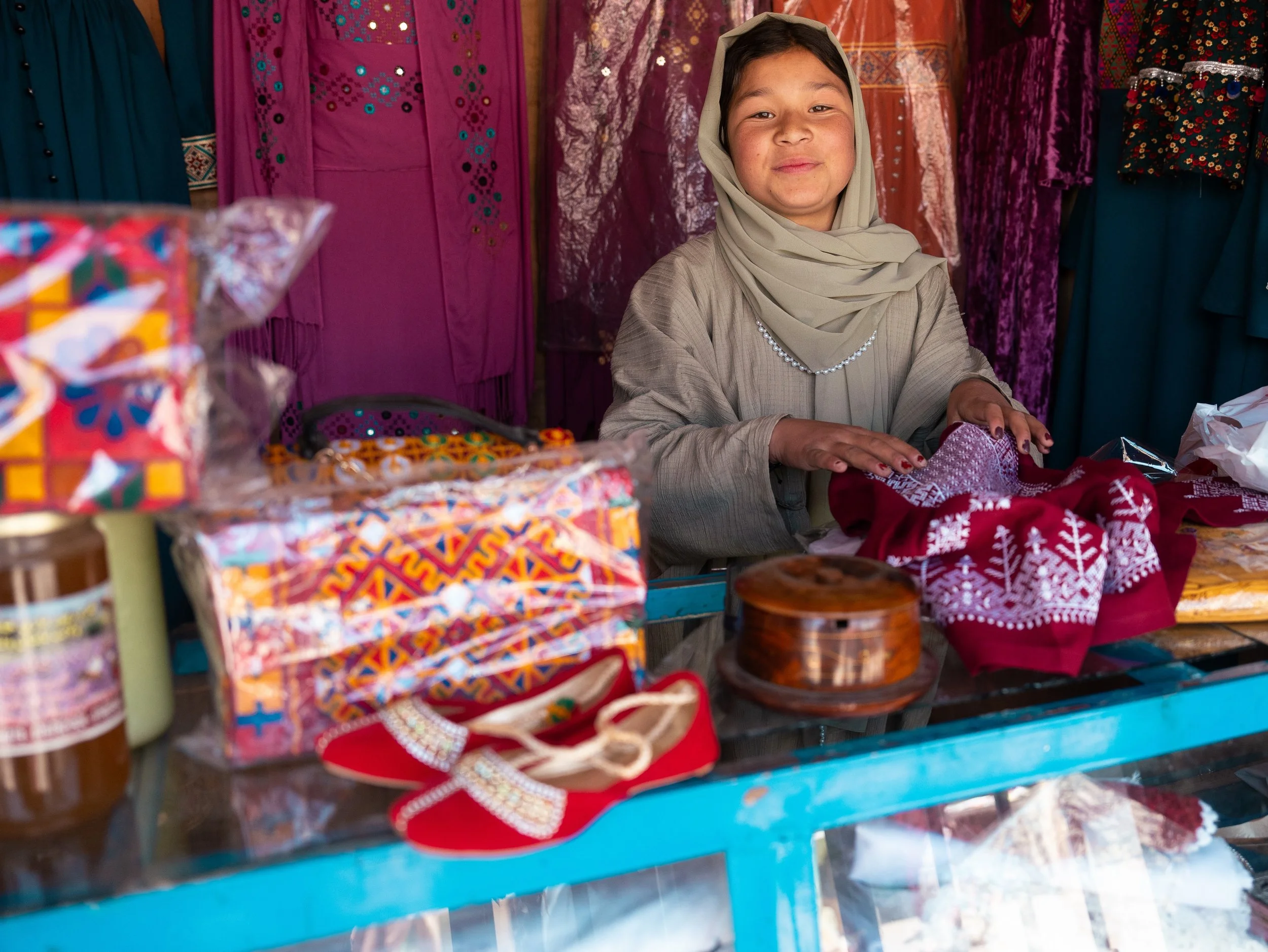
An array of handmade items are sold from this family’s small shop
Environmental and Resource Awareness
Many remote regions of Afghanistan, such as the Wakhan Corridor or the high-altitude valleys of Bamyan, face severe resource constraints and delicate environmental balances.
Practicing leave-no-trace principles is critical. Carry out all non-biodegradable waste, consume water and fuel mindfully, and avoid strain on local utilities in remote villages. Respecting natural habitats and ancient historical sites helps preserve Afghanistan’s priceless heritage for future generations.
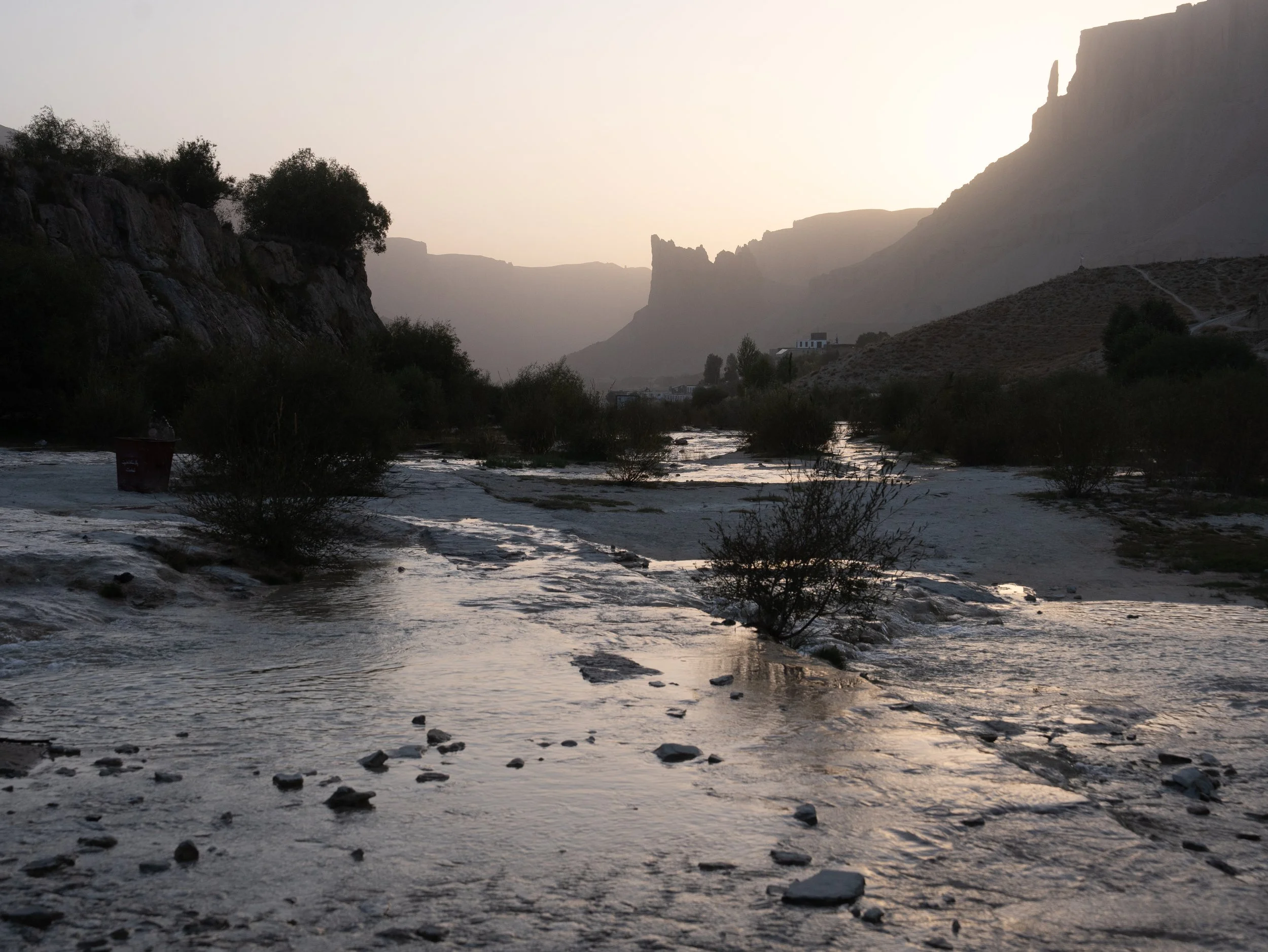
Band-E-Amir National Park
Thoughtful Storytelling and Representation
Responsible travel continues long after you return home. How you document and share your journey influences how others perceive the country and its people.
When sharing photographs or writing about your experiences, aim for balanced, nuanced storytelling. Highlight the warmth and richness of the culture alongside the realities of daily life. Avoid sensationalism, respect the privacy of those who hosted you, and ensure your narratives centre the voices and dignity of the Afghan people.
